

















Compare Perplexity vs ChatGPT for European businesses. Evaluate real-time search, GPT-6 models, data analysis, pricing, and EU GDPR compliance.
Choosing between Perplexity and ChatGPT comes down to whether you prioritize live, verified search citations or deep generative reasoning and data analysis. If you need transparent source references, academic filters, and multi-model flexibility, Perplexity is the superior choice for your daily workflow. However, if you rely on executable Python code, interactive text editing, persistent context memory, and workspace automation, ChatGPT delivers stronger all-around value.
Perplexity and ChatGPT offer distinct architectures for different professional demands. Many AI chatbots provide similar conversational interfaces. However, these two platforms have carved out unique niches. Perplexity aims to be an "answer engine" that grounds every response in real-time web search and explicit citations. It positions itself as a smarter alternative to traditional search engines. ChatGPT, on the other hand, functions as a versatile AI assistant. It excels at content creation, complex reasoning, and data manipulation. This guide breaks down pricing tiers, citation accuracy, agentic workflows, and European GDPR compliance rules. It will help you decide which platform fits your team.
Perplexity vs ChatGPT key verdict at a glance
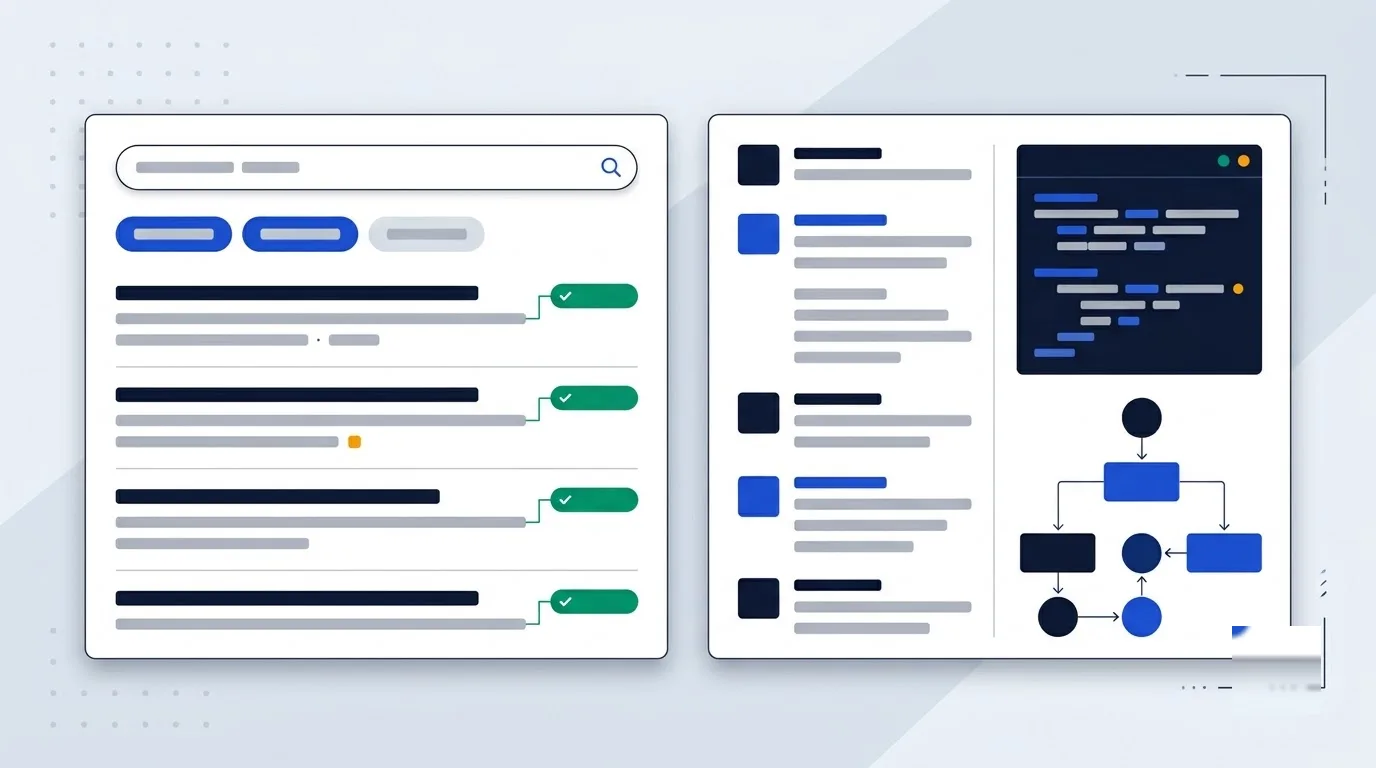
The right AI platform depends on your specific daily outputs. Modern AI tools evolve rapidly. Understanding their core design philosophy helps you integrate them effectively into your professional tasks. Below is a detailed breakdown. It compares core strengths, target users, pricing models, and compliance standards for both tools.
| Feature Category | Perplexity AI | ChatGPT |
|---|---|---|
| Primary Focus | Real-time answer engine with verified web citations | Generative conversation, deep reasoning, and coding |
| Core Architecture | Retrieval-first (searches web index before answering) | Generation-first (relies on model weights unless browsing is triggered) |
| Model Selection | OpenAI, Anthropic Claude, Google Gemini, NVIDIA, Sonar | Proprietary OpenAI models (GPT-6 Astra, Sol, Luna, GPT-5.6) |
| Code Execution | Code explanation and text file reading only | Native sandboxed Python environment for live data analysis |
| Entry Pricing | Free ($0), Pro ($17/mo annual or $20/mo), Max ($167/mo annual) | Free ($0), Go ($8/mo with ads), Plus ($20/mo), Pro ($200/mo) |
| Data Residency | United States (AWS, Azure, Google Cloud) | United States (Microsoft Azure, OpenAI infrastructure) |
Source: vendor pricing pages, checked November 2026.
TL;DR decision matrix for professionals
Choose Perplexity if live search citations, multi-model choice across Claude, Gemini, and Sonar, and curated research datasets are essential for your work. It functions primarily as an answer engine. It scans live web sources, synthesizes text, and provides direct numbered links to source domains. This approach ensures every piece of information you receive is backed by verifiable evidence. This is critical for accuracy-dependent roles.
Choose ChatGPT if long-form content creation, executable Python data analysis, agentic coding via Codex, and conversational memory across sessions matter most. It serves as an interactive partner. It generates original text, executes code, processes spreadsheets, and manages workspace tasks. Its strength lies in understanding context over long conversations. It also performs complex, multi-step creative or analytical operations.
Target user profiles and use cases
Perplexity suits academic researchers, journalists, financial analysts, and market strategy teams who require inline cited sources. An academic researcher can quickly validate claims in a paper with direct links to scholarly articles. A journalist can fact-check breaking news with confidence. Its integration with paywalled research datasets like Statista, PitchBook, and S&P Capital IQ allows analysts to extract financial metrics quickly. This provides a significant edge in competitive intelligence and investment research. This focus on verifiable, up-to-date information makes it indispensable for roles where accuracy and source transparency are paramount.
ChatGPT suits software engineers, creative writers, operations leads, and workspace automation users. A software engineer can use it to debug complex code, generate test cases, or even prototype entire applications with agentic coding. Creative writers benefit from its ability to draft long-form content, brainstorm ideas, and refine tone and style. Operations leads can leverage its data analysis capabilities. This optimizes workflows, processes large datasets, and generates actionable insights from business metrics. Teams requiring deep model reasoning, interactive Canvas editing, and file analysis benefit from its sandboxed computing environment and agentic capabilities. This makes it a powerful tool for productivity across various business functions.
Pricing tiers and European considerations
Both platforms offer free versions subject to bandwidth guardrails. Paid individual tiers start at $20 per month. These free tiers are excellent for initial exploration and light usage. They allow you to experience core functionalities before committing to a subscription. Power users can access enterprise-grade automation through high-tier subscriptions. These range from $167 to $200 per month. These higher tiers unlock significantly expanded limits, advanced models, and agentic features. They are designed for heavy, sustained professional work.
European buyers must note that both tools host data primarily on United States cloud infrastructure. This means data transfers from the EU to the US will occur. This is an important consideration under GDPR. However, they manage GDPR Data Processing Addendums (DPAs) and enterprise data training exemptions under different contractual frameworks. Understanding these nuances is crucial for European businesses. It ensures compliance and maintains data protection standards. The location of data processing directly impacts legal obligations and privacy assurances.
Which tool should you choose for your workflow
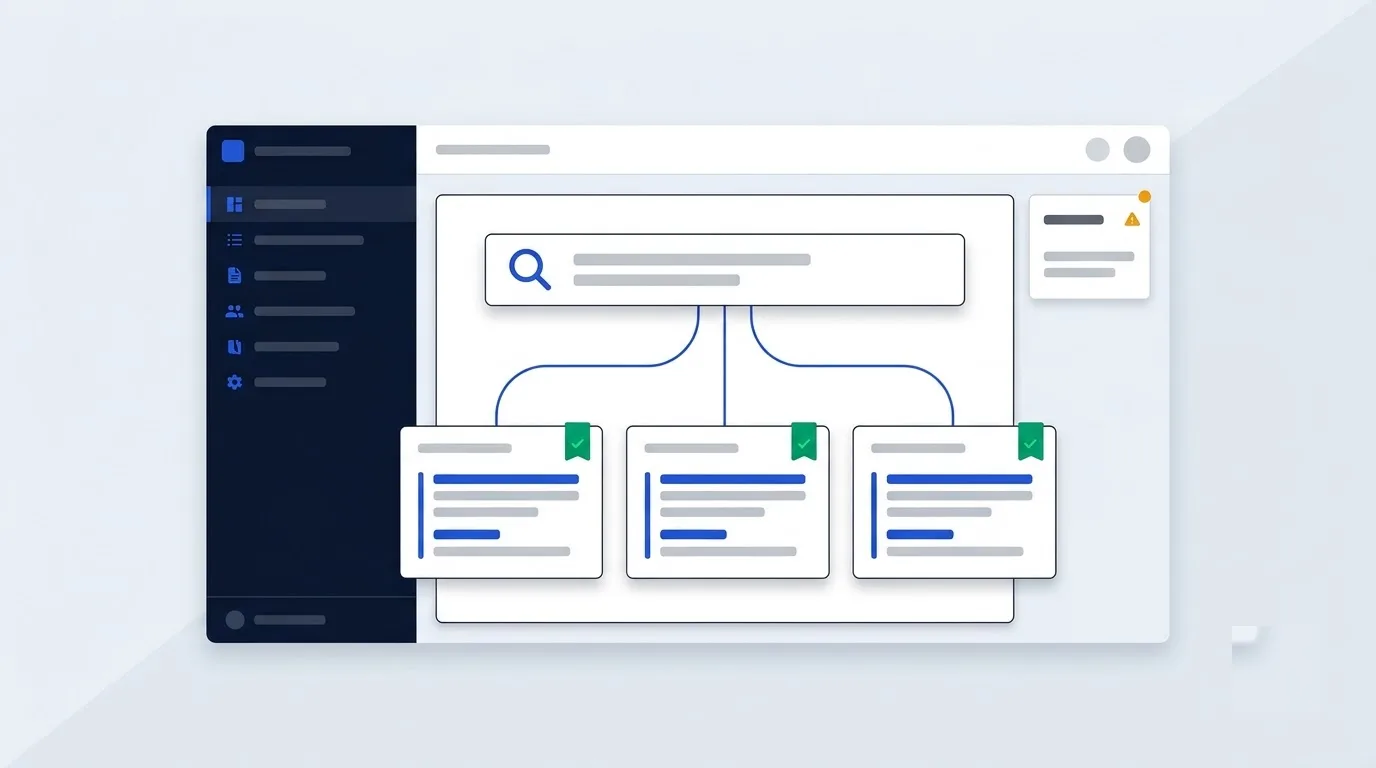
Every workflow demands a balance between real-time data retrieval and generative creation. The choice between these two powerful AI tools often comes down to your primary tasks. Comparing Perplexity and ChatGPT across specific operational tasks reveals clear performance advantages for each tool. This helps you align the technology with your professional needs.
Research and fact-checking workflows
Perplexity wins research workflows due to its default search grounding and clear inline citations. When you submit a prompt, the system queries web indices immediately. It summarizes findings with transparent numbered footnotes that link directly to source websites. This means you get a verifiable answer with a clear path to its origin. This transparent footprint is vital for academic integrity, journalistic accuracy, and critical business decisions. It reduces the risk of misinformation. Clicking any citation opens the exact source domain. This allows you to verify facts instantly. This feature significantly reduces manual research time. It ensures accountable output generation, which is a major advantage for professionals who rely on reliable information.
Its specialized focus filters allow you to restrict searches to academic papers, patents, or news databases. For instance, an academic user can ensure results are only from peer-reviewed journals. A legal team can quickly find relevant patent information. This focus eliminates hallucinated web links. It ensures fact-checking remains grounded in published literature. This provides a higher level of confidence in the retrieved data.
ChatGPT can browse the web, but search is not its default state. You must trigger browsing manually. Alternatively, you rely on the system to detect when live data is necessary. This can occasionally lead to ungrounded answers if browsing is omitted. Relying on manual activation or inference means that for time-sensitive or highly factual queries, you risk receiving information based on its training data. This may not be the very latest web content. For critical research, this extra step or potential for outdated information can be a significant drawback. It requires you to be constantly vigilant about whether web search is active.
Coding and technical tasks
ChatGPT leads technical tasks through OpenAI Codex agentic coding and native Python code execution. Developers can write, debug, and execute code within a sandboxed runtime environment. This happens directly inside the chat window. This integrated environment means you can iterate on code, test snippets, and see immediate results without switching applications. It is efficient for quick script development, debugging sessions, or exploring data interactively. For example, a data scientist can upload a dataset. Then, they can ask ChatGPT to write Python code to analyze it, execute that code, and visualize the results. All this occurs within a single conversation thread.
It supports macOS desktop code edits. It offers context windows up to 400K tokens on the Pro plan. This large context window allows software engineers to upload large codebases. They can also generate dynamic visualizations and smoothly automate complex software refactoring. The ability to maintain a deep understanding of extensive code files and project structures makes it an invaluable partner for large-scale development efforts. This significantly accelerates the coding and testing phases of software projects.
Perplexity can explain code snippets and identify syntax errors effectively. If you need to understand unfamiliar code or get suggestions for fixing a bug, it provides clear, referenced explanations. However, it lacks an integrated execution environment. This requires developers to copy code into an external IDE to run test scripts. This extra step breaks the workflow. It makes Perplexity less ideal for interactive coding, rapid prototyping, or tasks requiring immediate validation of code execution. While useful for code comprehension, it does not offer the full development lifecycle support that ChatGPT provides.
Content creation and drafting
ChatGPT Canvas provides a dedicated workspace for long-form creative writing and interactive text editing. This feature provides a major advantage for writers, marketers, and content creators. You can highlight specific paragraphs, adjust reading levels, apply tone edits, and review full version histories without re-generating entire prompts. This iterative editing capability transforms the AI from a mere text generator into a collaborative writing partner. It allows for fine-grained control over the output. For example, a marketing team can draft a campaign. Then, they can collectively refine specific sections for different target audiences, tracking all changes.
You can also build custom GPTs tailored to your brand voice or documentation rules. This customization ensures consistent style formatting across marketing campaigns and internal reports. By training a custom GPT on your specific guidelines, you ensure all generated content adheres to your brand's unique identity. This saves significant time on editing and ensures brand consistency across all communications. This is particularly valuable for large organizations with strict style guides.
Perplexity generates structured static documents and research summaries quickly. Its strength lies in synthesizing information from various sources into a coherent report. This is excellent for initial drafts or information-dense content. However, it offers limited interactive line-editing tools. This makes it less suitable for iterative editorial drafting. If your workflow involves frequent revisions, detailed stylistic changes, or collaborative editing sessions, Perplexity's output might require more manual intervention in an external editor. This slows down the refinement process.
Market intelligence and financial analysis
Perplexity Pro and Max tiers provide access to premium financial and market intelligence databases. This is a significant advantage for professionals in finance, consulting, and business development. Analysts can query data directly from PitchBook, Statista, and S&P Capital IQ within the search stream. This bypasses traditional subscription barriers and manual data extraction. This integration streamlines competitive analysis. It pulls verified market figures alongside current web news. For example, you can ask for a company's recent funding rounds (PitchBook), its market share in an industry (Statista), and its credit rating (S&P Capital IQ) in a single query. You receive structured financial summaries backed by authoritative data sources. This ensures reliability and saves countless hours of research.
ChatGPT handles financial data effectively when provided with uploaded CSV or Excel files. Its data analysis capabilities allow it to process large spreadsheets, identify trends, and perform calculations. However, it cannot pull directly from paywalled market intelligence feeds without third-party plugin configurations. This means ChatGPT excels at analyzing data you already possess. Yet, it lacks the direct, integrated access to premium, real-time market data that Perplexity offers. For tasks requiring immediate access to proprietary financial intelligence, Perplexity provides a more streamlined and powerful solution.
Cross-model experimentation
Perplexity allows you to switch between top foundational AI models for any query within a single subscription. You can toggle between Anthropic Claude 3.5 Sonnet, Google Gemini, NVIDIA Nemotron, and in-house Sonar models based on task requirements. This flexibility is invaluable for users. It helps them compare different AI perspectives or leverage the specific strengths of various models. For example, you might use Claude for creative writing due to its nuanced language generation. Then, you could switch to Gemini for structured reasoning tasks, all from one interface.
This flexibility lets teams compare model outputs for specific tasks, such as creative writing or technical synthesis. By evaluating how different models approach the same prompt, you can gain deeper insights. You can also choose the most effective model for a particular outcome. This avoids subscribing to multiple standalone AI services. It consolidates your AI toolkit. This often leads to more dependable and accurate results through comparative analysis. It is a cost-effective way to access a diverse range of AI capabilities.
ChatGPT limits users to OpenAI's proprietary model ecosystem. Models like GPT-6 Astra and Sol deliver top-tier performance and are continually updated. However, you cannot test alternative model architectures within the ChatGPT interface. For users who prefer to experiment with different AI philosophies or require access to models known for specific strengths, this limitation can be a factor. For example, Claude offers longer context windows. Gemini provides multimodal capabilities. If you want to evaluate alternative model lineups, read our guide on ChatGPT vs Claude. It explores the distinct offerings of these two leading AI providers.
Feature comparison between Perplexity and ChatGPT
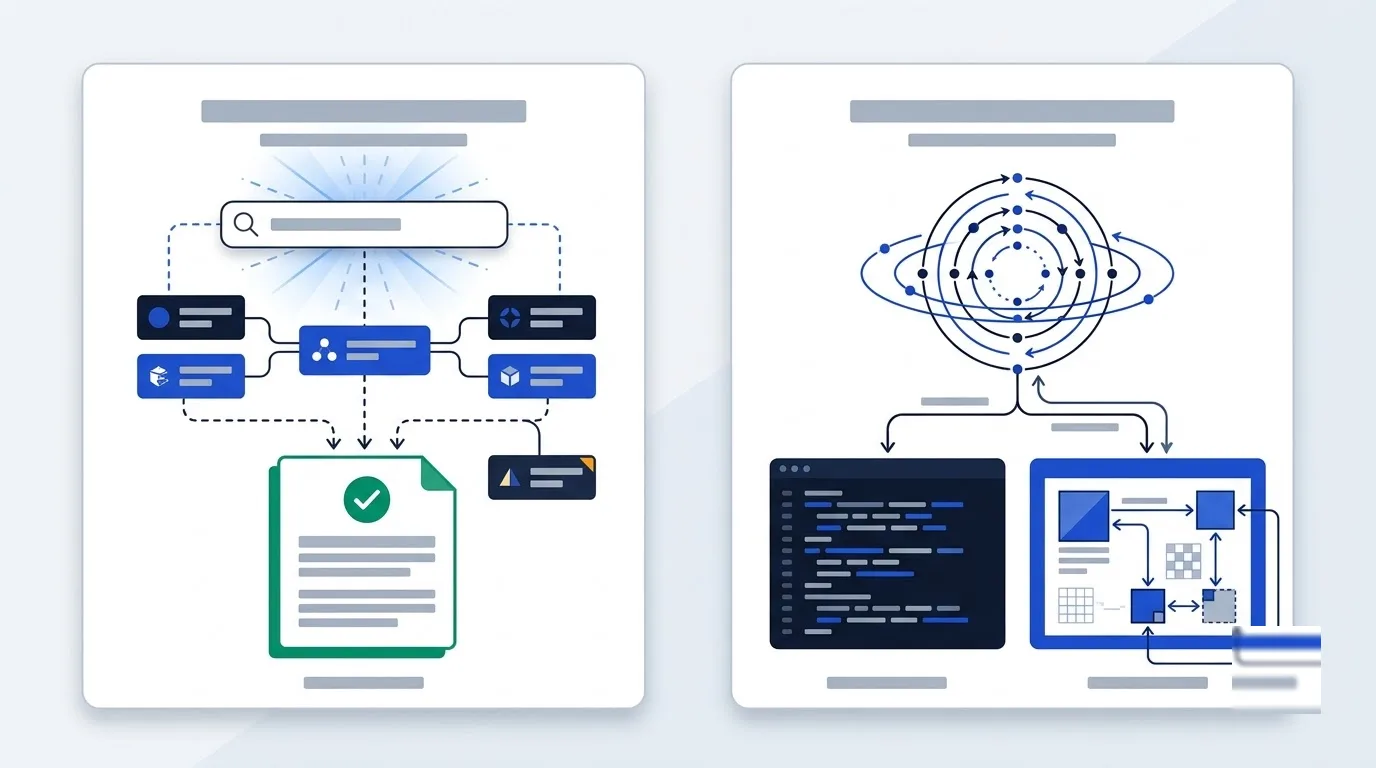
Understanding the architectural differences between Perplexity and ChatGPT highlights why they perform differently on identical tasks. These underlying design choices dictate their strengths and limitations. This makes them suitable for distinct use cases. The table below details core technical capabilities across both platforms. It provides a quick reference for their comparative features.
| Capability | Perplexity AI | ChatGPT |
|---|---|---|
| Core Architecture | Retrieval-augmented search pipeline | Generative language model with optional search |
| Model Selection | Claude, Gemini, Nemotron, Sonar, GPT | GPT-6 Astra, Sol, Luna, GPT-5.6 series |
| Context Window | Dynamic per search pipeline query | 27K (Free) to 400K tokens (Pro) |
| Media Generation | Images (DALL-E, FLUX) + 8-sec Video clips | Images (DALL-E) with reasoning controls |
| Voice and Vision | Voice search and mobile camera inputs | Advanced Voice Mode with real-time video |
| Workspace Storage | Perplexity Spaces and formatted files | Custom GPTs, Projects, and Canvas editor |
Architecture split: retrieval vs generation
Perplexity uses a retrieval-first architecture. It queries external web indices before generating an answer. When a query is received, the system extracts live snippets from relevant URLs. It then synthesizes a response grounded in retrieved data. This approach is ideal for tasks requiring up-to-date, verifiable information, such as fact-checking, current event summaries, or academic research. The emphasis is on finding and summarizing existing knowledge. This ensures the output is always tied to real-world sources.
ChatGPT operates on a generation-first architecture. It processes prompts primarily using pre-trained neural network weights. It pulls from internal knowledge unless live web browsing is explicitly activated. This design excels at creative tasks, complex problem-solving, and generating original content that might not exist elsewhere. It focuses on synthesizing new information and ideas based on its vast training data. This structural difference means Perplexity prioritizes source accuracy and freshness. ChatGPT, however, prioritizes linguistic fluency, complex reasoning, and creative generation.
Model availability and orchestration
ChatGPT relies entirely on OpenAI's proprietary model series. This includes GPT-6 Astra, Sol, Luna, and GPT-5.6 models. These models are optimized for multi-step reasoning, logical problem-solving, and continuous dialogue. They represent the cutting edge of OpenAI's research. You benefit from a cohesive ecosystem with consistent performance and ongoing updates to these specific models. This unified approach ensures deep integration of features and capabilities across the platform, from text generation to code execution.
Perplexity acts as a multi-model orchestrator. Users on paid tiers can route queries through Anthropic Claude, Google Gemini, NVIDIA Nemotron, or Perplexity's custom Sonar models. This depends on query complexity. This feature is particularly valuable for tasks that might benefit from the unique strengths of different AI models. For example, some models might be better for creative text. Others excel at structured data analysis. This orchestration provides access to specialized model strengths, such as Claude's nuanced writing style or Gemini's advanced reasoning. All this is directly within one interface. It allows you to pick the best tool for each specific job without managing multiple subscriptions.
Context window mechanics
ChatGPT specifies exact context window limits across its subscription tiers. The context window determines how much information the AI can "remember" and process within a single conversation or task. Free plans offer a 27K token context, approximately 12 pages of text. Plus provides 54K tokens, around 40 pages, for instant models. It also offers 256K tokens, roughly 320 pages, for reasoning models. Pro users receive up to 400K tokens, approximately 680 pages. These defined limits are crucial for understanding how much data you can feed into the model for analysis or generation without losing coherence. This makes it suitable for processing lengthy documents or maintaining complex conversational threads.
Perplexity manages context dynamically within its retrieval pipeline. Instead of loading massive documents into a static model window, it indexes uploaded text. It retrieves relevant chunks continuously during search execution. This dynamic approach allows Perplexity to process large reference materials efficiently. It avoids exceeding query token constraints. It only fetches the most pertinent information at any given moment. This is effective for research tasks where you might reference vast amounts of data. You only need specific sections to answer a query. This optimizes efficiency and prevents information overload.
Multimedia generation tools
Perplexity Pro and Max subscriptions support both image generation, via DALL-E, FLUX, and Playground. They also support short video clip generation up to 8 seconds. This video tool enables quick visual prototyping for marketing teams, content creators, or anyone needing to visualize concepts rapidly. For example, a marketer could generate a short animation to illustrate a product feature. A designer could create quick visual mood boards. The inclusion of video generation, even in short clips, adds a dynamic dimension to content creation. This is useful for quick visual communication.
ChatGPT focuses heavily on high-fidelity image generation. It is integrated with reasoning controls. You can request precise image edits, stylistic adjustments, and text placement directly within the chat stream. This means you can generate an image and refine it iteratively through conversation. This makes it a powerful tool for visual designers and content creators who need precise control over their visuals. For example, you can ask it to generate a product image. Then, you can refine the lighting, background, and even add text overlays with specific fonts. However, ChatGPT does not currently support direct AI video clip generation inside its standard interface. It focuses its multimodal efforts primarily on advanced image creation and manipulation.
Voice and vision interaction
ChatGPT offers Advanced Voice Mode with continuous camera awareness. This innovative feature allows for highly interactive and contextual conversations. You can hold fluid, natural conversations. Point your mobile camera at real-world objects, physical code, or complex diagrams for live explanations. For example, a student could point their camera at a math problem. Then, they could ask ChatGPT to explain the solution steps. A mechanic could show an engine part and ask for troubleshooting advice. This real-time visual input combined with voice interaction makes ChatGPT a powerful tool for hands-on learning and problem-solving in dynamic environments.
Perplexity provides mobile voice search and camera input capabilities. You can snap photos of documents or physical products to initiate web searches. This allows for visual queries based on real-world items. This is useful for quickly identifying objects, researching product information, or summarizing physical text. However, Perplexity lacks real-time, low-latency conversational voice streams with continuous live camera feedback. While it processes visual input for search, it does not offer the same fluid, interactive dialogue that ChatGPT's Advanced Voice Mode provides. This makes it more of a visual search enhancer than a continuous visual assistant.
Real-time web search and citation accuracy compared
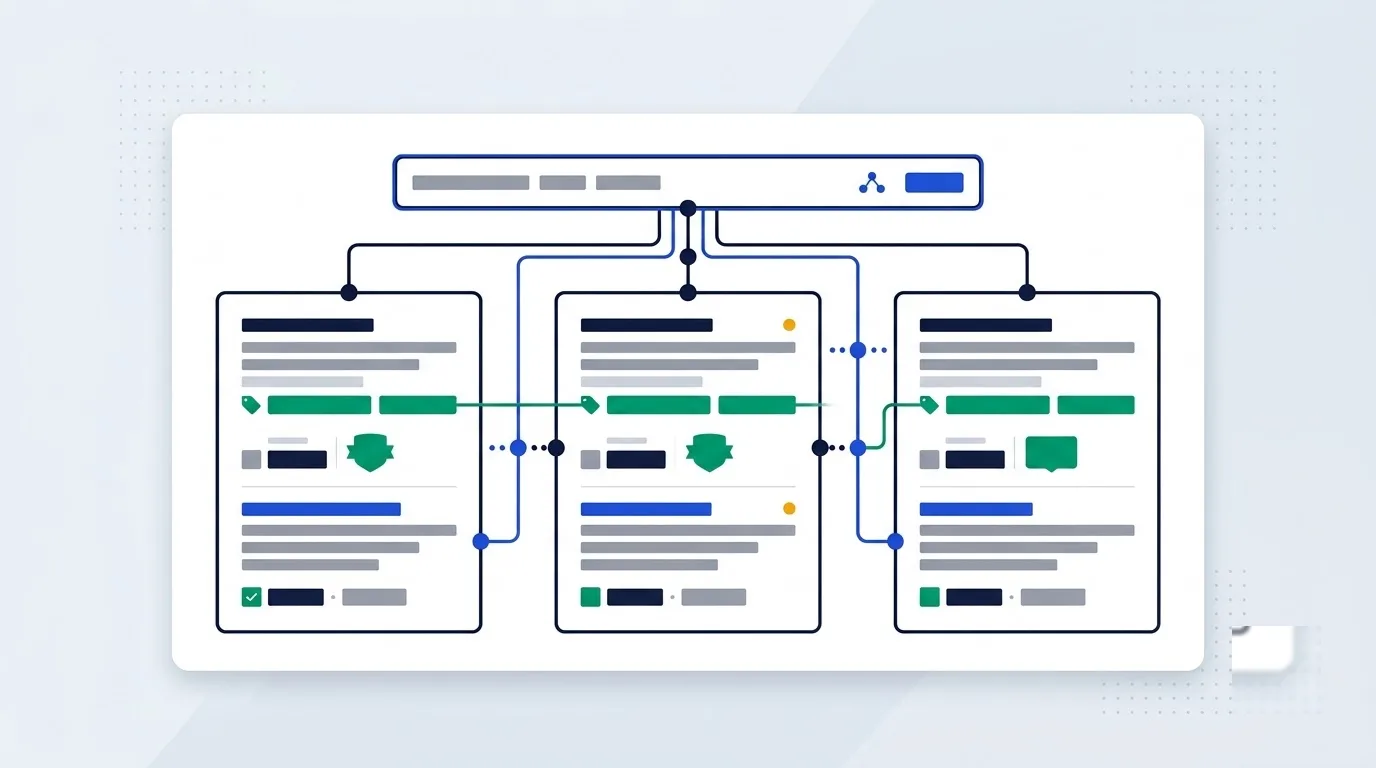
Real-time search accuracy is the fundamental battleground for modern answer engines. The ability to quickly access, verify, and cite up-to-date information is paramount for professionals. Evaluating how each platform handles web retrieval shows distinct operational methodologies. Each has its own advantages and implications for user trust and efficiency.
Default search behavior and transparent links
Perplexity treats every user interaction as a search query by default. Upon receiving a prompt, it scans live web sources. It aggregates relevant text blocks. It outputs a concise narrative accompanied by numbered inline citations. This "search-first" approach provides the most current and verifiable information possible. For example, if you ask about a recent news event, Perplexity immediately scours news sites. It then presents a summary with links to the original articles. Clicking any citation opens the exact source domain. This allows you to verify facts instantly. This transparent footprint reduces research time. It ensures accountable output generation, fostering a high degree of trust in the information provided.
ChatGPT requires you to enable search. Alternatively, it relies on automated context detection. While its browsing capabilities are thorough when activated, the default state often draws from its vast internal training data. When search activates, it displays source links. However, citations are less prominent and rely on fewer aggregate domains. This means that if you are not explicit about needing live web data, ChatGPT might provide information based on its knowledge cutoff. This information could be outdated. The user experience demands more vigilance to ensure real-time information is accessed. This makes it less intuitive for tasks where current data is always critical.
Model Council orchestration in Perplexity Max
Perplexity Max includes Model Council, a feature designed for critical research tasks. When activated, Model Council submits your query simultaneously across multiple frontier LLMs. This includes Claude, Gemini, and GPT models. This multi-model approach is a powerful way to reduce bias and enhance answer reliability. Instead of relying on a single AI's perspective, Model Council gathers insights from several leading models. It compares their outputs. For example, if you ask a complex question with no single definitive answer, Model Council can present a synthesized view. It highlights areas of agreement and disagreement among the models. This cross-verification significantly enhances the depth and accuracy of your research.
The system synthesizes the responses from each model into a consensus answer. It highlights discrepancies and cross-verifies facts across model architectures. This multi-engine evaluation significantly minimizes individual model biases. It provides a more comprehensive perspective. For professionals needing the highest degree of confidence in their information, like legal or medical researchers, Model Council offers an unparalleled level of scrutiny and factual grounding. It moves beyond single-model AI responses to deliver a more reliable and validated answer.
ChatGPT processes queries through a single selected model. It relies on internal chain-of-thought reasoning rather than cross-model consensus generation. Its internal reasoning capabilities are advanced. However, it does not offer the same multi-perspective validation that Perplexity's Model Council provides. You rely on the chosen OpenAI model's interpretation and factual grounding. While often excellent, it lacks the inherent cross-verification mechanism of orchestrating multiple independent AI systems. This means that for highly sensitive or ambiguous queries, you might need to manually cross-reference information from other sources or models.
Source quality filtering and focus modes
Perplexity features specialized search focus modes. These restrict retrieval to verified domain indices. These modes are useful for tailoring your search to specific information types. They also ensure the highest quality sources. You can toggle modes dedicated to academic papers, patent databases, finance metrics, or travel information. For a medical researcher, selecting "Academic Focus" means all results draw from peer-reviewed journals and scientific repositories. This avoids general web content. Similarly, a lawyer researching intellectual property can use the "Patent" focus to prioritize relevant legal documents.
Selecting Academic Focus limits search results to scholarly repositories like arXiv and PubMed. This ensures citations come strictly from peer-reviewed research. This is a critical feature for maintaining research integrity and credibility. By filtering out less authoritative sources, Perplexity helps you quickly home in on the most reliable information for your specialized fields. This saves time and improves your findings' quality. This level of control over source quality is a distinct advantage for professionals in highly regulated or academic environments.
ChatGPT does not offer domain-specific search filters. Its web browsing searches the general index. This requires manual prompt constraints to restrict output sources to academic domains. You can instruct ChatGPT to "only use academic sources." However, the system relies on its interpretation of that instruction rather than a hard-coded filter. This means there is less guarantee of strict adherence to specific source types. You may need to manually vet sources more rigorously. The lack of built-in filters can make targeted research more time-consuming and potentially less precise. This is especially true for niche or highly specialized inquiries where source authority is paramount.
Factual accuracy and hallucination rates
Perplexity minimizes factual hallucinations. It grounds its text generation strictly in freshly retrieved web snippets. The model summarizes explicit text blocks pulled moments prior. Ungrounded factual claims drop substantially. This "grounded generation" approach means if information cannot be found and cited, it is less likely to be presented as fact. Connecting directly to real-time, verifiable sources serves as a powerful defense against generating false or misleading information. This is a common challenge with purely generative AI models. For example, if a search query has no relevant results, Perplexity is more likely to indicate it could not find information, rather than inventing it.
ChatGPT can generate factual errors when operating on internal training weights without search enabled. Its reasoning models analyze logic effectively. However, time-sensitive queries require search activation to prevent outdated answers. If you forget to enable web browsing for a current event query, ChatGPT might provide information from its last training update. This could be months or even years old. The potential for "hallucinations" or outdated information necessitates careful prompting and verification on your part. This is especially true for critical applications. For journalists, legal researchers, and market analysts, Perplexity's retrieval-first approach delivers superior factual verification out of the box. This reduces the burden of manual cross-checking and increases confidence in the generated responses.
Writing coding and data analysis capabilities compared
While search retrieval favors Perplexity, coding and technical data manipulation lean heavily toward ChatGPT. Software development, data science, and complex analytical tasks require specific tools and environments. These go beyond simple text generation. The sections below analyze execution environments and iteration tools across both platforms. They highlight where each excels in technical work.
Executable Python environment vs static analysis
ChatGPT features an integrated, sandboxed Python runtime environment for advanced data analysis. This is a critical tool for data scientists, analysts, and developers. You can upload raw CSV files, Excel spreadsheets, or JSON datasets. Then, you can request real-time data transformations. For example, you can upload a sales dataset and ask ChatGPT to clean missing values. It can also calculate average monthly revenue and identify top-performing product categories. All this happens within the chat interface. The platform executes Python code directly. It generates downloadable interactive charts, cleans messy rows, and calculates statistical models within seconds. This interactive and executable environment streamlines data exploration and analysis. It turns complex data tasks into conversational prompts and provides immediate, visual feedback.
Perplexity can parse text files, analyze uploaded documents, and explain complex code structures. If you need to understand the logic of a Python script or identify potential errors, Perplexity provides clear, referenced explanations. However, it lacks a native executable Python environment inside the chat window. This prevents live code execution and dynamic chart generation. This means it can assist with code comprehension and static analysis. However, it cannot run the code itself or manipulate data interactively. Developers and data analysts would need to copy Perplexity's suggestions into an external coding environment to test and execute them. This adds an extra step to their workflow.
Agentic software development with Codex
ChatGPT utilizes OpenAI Codex. It delivers agentic coding assistance across modern software workspaces. Codex is a powerful AI model. It is fine-tuned for code generation and understanding. It integrates with desktop applications and supports macOS workspace code edits. This enables multi-file refactoring and automated test execution. This allows developers to work on complex projects with the AI acting as a proactive assistant. It suggests code improvements, generates new functions, and even writes entire test suites. For example, a developer could ask ChatGPT to refactor a legacy codebase for better performance. Codex would then assist in analyzing files, suggesting changes, and even implementing them across multiple files.
According to late 2025 industry research, ChatGPT holds a 21% share of the enterprise AI coding market. This is due to its developer integrations and low error rates in code generation. This market adoption underscores its effectiveness and reliability as a coding partner for professional developers. Its ability to understand context, write idiomatic code, and integrate into existing development workflows makes it a preferred choice. It accelerates software development cycles and improves code quality. The combination of strong code generation and agentic capabilities makes it a formidable tool for software engineering teams.
Perplexity provides coding assistance through Perplexity Computer and standard search queries. It can help with debugging by searching for error messages. You can also use it to look up API documentation with citations. It is effective for debugging and looking up API documentation. However, it offers fewer agentic integrations within local code editors. This means Perplexity can provide valuable information and explanations related to code. Yet, it does not offer the same proactive, integrated assistance within the development environment. Developers would still rely more heavily on manual implementation of Perplexity's suggestions. They would not have the AI directly assist with code modification or execution within their IDE.
Interactive writing tools: Canvas vs Create
ChatGPT Canvas creates an interactive workspace alongside the primary chat window. This dedicated environment is designed for dynamic and collaborative content creation. Writers can highlight specific sentences, adjust length, request vocabulary modifications, and revert changes using detailed version histories. This level of granular control is essential for crafting polished content. It allows for continuous refinement without losing previous iterations. For example, a content team can use Canvas to collaboratively draft a blog post. Each member can make suggestions and track changes, much like in a shared document editor. This setup mimics collaborative editing tools. It allows professionals to polish long-form reports without generating repetitive chat messages. This fosters a more fluid and efficient writing process.
Perplexity Create allows you to generate formatted static files, project spaces, and standalone web apps. This feature is geared towards producing structured outputs. These include research reports, project briefs, or simple web pages based on synthesized information. However, it functions primarily as a document generator rather than an inline text editor. While it can produce well-structured content, it lacks the interactive, real-time editing capabilities of ChatGPT Canvas. For tasks requiring extensive iterative drafting, stylistic experimentation, or collaborative revisions at the sentence or paragraph level, Perplexity Create might necessitate exporting the generated content to an external editor for further refinement. This adds an extra step to the content creation workflow.
Memory retention and persistent personalization
ChatGPT maintains persistent memory across past user sessions. This means it remembers coding preferences, tone preferences, company details, and ongoing project contexts over time. For example, if you have been working on a coding project for several days, ChatGPT will remember the context, your preferred language, and specific project requirements. You will not have to restate them. This persistent memory eliminates the need to restate instructions in every new prompt. It streamlines long-term work projects across teams. It allows for a more personalized and efficient interaction, as the AI truly learns and adapts to your specific needs and historical interactions. This makes it feel more like a dedicated personal assistant.
Perplexity operates primarily on session-based searches. It offers project Spaces to organize files. However, it does not build persistent individual memory profiles across unrelated search threads. Each new query or session tends to be treated as a fresh interaction. There is less carryover of context from previous, distinct searches. This is efficient for fact-finding where each query is often self-contained. However, it can be less ideal for complex, multi-day projects. These require a continuous understanding of evolving context and preferences. For users who value a highly personalized and adaptive AI that remembers past interactions and learns over time, ChatGPT's persistent memory offers a distinct advantage. It makes long-term engagements smoother and more productive.
Agentic AI capabilities and desktop workspace integration
Agentic AI represents the next frontier for workspace productivity. It moves tools from passive response generators to active autonomous task runners. These AI agents understand high-level goals. They then execute a series of steps, interact with various tools, and even learn from their environment to achieve those goals. Both tools have deployed dedicated agentic suites. They aim to transform how professionals interact with their digital workspaces and automate complex tasks.
Perplexity agentic suite: Comet and Computer
Perplexity offers Comet, a browser-based AI assistant. It navigates web pages, summarizes research tabs, and extracts inline data points autonomously. Comet acts as a smart browsing companion. It understands your research intent and proactively assists with information gathering. For example, if you are researching a new market, Comet can browse multiple competitor websites. It can summarize their product offerings and extract key pricing data. This saves you significant manual effort. This allows you to delegate tedious web-based information gathering. It frees up time for higher-level analysis and decision-making.
In February 2026, Perplexity introduced Perplexity Computer. This desktop agent handles autonomous multi-step research tasks. You assign high-level investigation goals. Computer then executes web queries, gathers assets, and formats structured outputs across several hours. For instance, you could instruct Perplexity Computer to "research the latest advancements in quantum computing and summarize key breakthroughs from the past year." The agent would autonomously browse scientific journals, news articles, and research papers. It would then synthesize the information and present a comprehensive report. This agentic workflow allows research teams to automate background market mapping. They can focus on high-level analysis. This dramatically accelerates the preliminary stages of complex investigations.
ChatGPT agentic suite: ChatGPT Work and Dot
ChatGPT Work operates as a virtual browser agent across desktop, web, and mobile environments. It navigates websites, fills out forms, extracts structured database info, and completes web tasks on behalf of users. For example, an operations manager could instruct ChatGPT Work to "fill out this expense report form using data from my last five travel receipts." Or, they could ask it to "extract all customer contact information from this web page and add it to a spreadsheet." This capability automates repetitive administrative tasks. It improves efficiency and reduces manual data entry errors. It extends ChatGPT's intelligence beyond the chat window. This allows it to interact with the wider internet.
ChatGPT Pro subscribers receive access to Dot. This is an always-on desktop agent designed to monitor tasks, manage scheduled workflows, and assist with workspace organization continuously. Dot acts as a persistent personal assistant. It proactively offers help based on your ongoing activities. For example, if you are working on a presentation, Dot might suggest relevant data points it found online. Or, it could help you schedule a meeting with collaborators. Additionally, the Atlas web browser brings ChatGPT capabilities directly into external web pages. This enables contextual assistance while browsing. This means you can get summaries, explanations, or even content generation directly on the websites you are visiting. You will not have to copy-paste text into ChatGPT.
App ecosystem and third-party connectors
Perplexity supports over 400 app connectors. These enable external data pulling across enterprise platforms, file storage systems, and productivity suites. This extensive integration capability means Perplexity can interact with a wide array of business applications. It fetches data from CRMs, project management tools, or cloud storage. For example, a sales team could connect Perplexity to their CRM. This pulls up customer histories during a research query. A project manager could link it to their task management system to retrieve relevant documents for a report. This broad ecosystem enhances its utility as a research and information synthesis tool. It allows it to tap into diverse data sources across an organization.
ChatGPT features a broad ecosystem. It comprises custom GPTs, ChatGPT Apps, and official add-ins for Microsoft Excel, Word, PowerPoint, and Google Sheets. Custom GPTs allow you to create specialized AI assistants. These are tailored to specific tasks or knowledge domains. This effectively extends ChatGPT's core capabilities. ChatGPT Apps provide pre-built integrations for various services. These extensions allow finance and operations teams to call ChatGPT reasoning directly within active spreadsheets and document editors. For example, an accountant can use the Excel add-in to ask ChatGPT to analyze a financial statement. They can identify anomalies, or even generate a summary report. All this happens without leaving their spreadsheet. This deep integration into common productivity tools makes ChatGPT highly practical for daily business operations.
Autonomous research report generation
Perplexity Deep Research automates comprehensive investigations. It spans public web indices and paywalled financial databases. It synthesizes findings into cited research briefs. This feature is designed for thorough, in-depth inquiries where verifiable sources are paramount. For example, a competitive intelligence team can use Deep Research to generate a detailed report on a new market entrant. It covers their funding, product strategy, and market reception. All this is backed by transparent citations. The output is a structured summary of information, with clear links to its origins. This makes it easy to audit and verify.
ChatGPT Deep Research automates multi-step web searches. It generates structured multi-page PDF reports complete with headers, analytical commentary, and data tables. This capability is geared towards producing formal, presentation-ready documents. For example, a consultant could ask ChatGPT to generate a market analysis report. It would not only gather information but also structure it into a professional PDF. This includes an introduction, methodology, findings, and conclusion sections. Perplexity excels at inline source verification. However, ChatGPT provides superior document structure and analytical formatting for formal PDF deliverables. This makes it ideal for creating polished reports for clients or stakeholders.
Workspace collaboration and team sharing
ChatGPT allows you to create shared team spaces. You can also manage central project folders and distribute custom GPTs across enterprise departments. This facilitates collaborative work. It provides a centralized hub where teams can share AI-powered tools and resources. For example, a marketing department can create a custom GPT trained on their brand guidelines. They can then share it with all team members. This ensures consistent messaging. This promotes efficiency and consistency across an organization. It enables teams to leverage AI collectively for various projects and tasks. The admin console and centralized billing further streamline management for larger teams.
Perplexity provides Spaces. These allow teams to curate collections of search threads, uploaded research documents, and specific focus instructions for joint projects. These spaces serve as organized repositories for shared research and information. For example, a research team can create a Space for a new project. They can add all relevant search queries, uploaded documents, and specific instructions for future inquiries. This ensures all team members have access to the same foundational knowledge. They can also build upon each other's research. Perplexity's collaboration features focus on organizing and sharing research assets. They effectively support knowledge management and collaborative information gathering for teams.
Pricing plans breakdown for individuals and teams
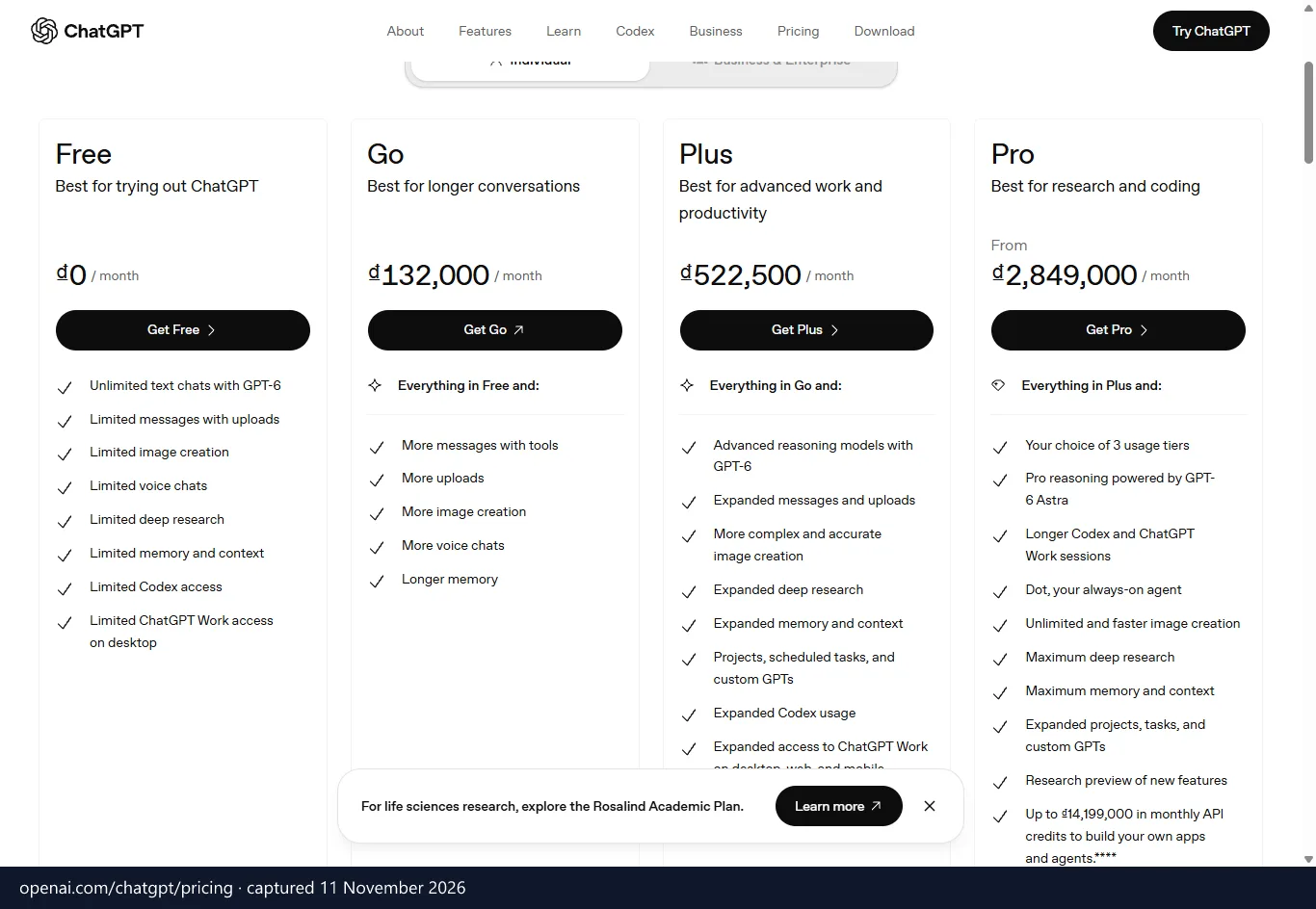
Understanding plan pricing, usage limits, and credit allocation ensures you select the most cost-effective tier for your operations. Both Perplexity and ChatGPT offer a range of plans. These range from free entry points to high-tier subscriptions. They are designed for power users and enterprise teams. Evaluating these options carefully, considering both monthly and annual billing, is key to optimizing your AI investment.
| Plan Name | Monthly Price | Annual Price | Key Features & Limits |
|---|---|---|---|
| ChatGPT Free | $0 | $0 | GPT-6 Luna access, 27K context, basic search, limited uploads |
| ChatGPT Go | $8/mo | N/A | 54K context, ad-supported, expanded voice and file uploads |
| ChatGPT Plus | $20/mo | N/A | GPT-6 Astra/Sol, 54K-256K context, Canvas editor, Codex access |
| ChatGPT Pro | $200/mo | N/A | 400K context, Dot agent, maximum deep research, API credits |
| Perplexity Free | $0 | $0 | Basic web search, accurate citations, limited daily queries |
Evaluating standard $20/month tiers
Comparing ChatGPT Plus ($20/month) and Perplexity Pro ($17/month annual or $20/month monthly) highlights distinct feature priorities for budget-conscious buyers. At this price point, you decide if your primary need is for advanced generative AI capabilities or for superior, cited research. ChatGPT Plus gives you advanced reasoning models, GPT-6 Astra and Sol. It also provides interactive Canvas writing, native Python data analysis, and Codex coding capabilities. This makes it ideal for users involved in content creation, software development, or complex data manipulation. It offers a comprehensive toolkit for generating and refining various outputs.
Perplexity Pro offers unlimited Pro search queries. It also provides access to paywalled research datasets. You can toggle between Anthropic Claude 3.5 Sonnet, Google Gemini, and Sonar per prompt. This is a powerful offering for researchers, journalists, and analysts. They require highly accurate, cited information from diverse sources, including premium databases. If your daily work centers on content drafting and coding, ChatGPT Plus delivers better software functionality. If your job relies on verified research and multi-model insights, Perplexity Pro provides superior model choice and citation quality. This makes it a more focused and effective tool for information gathering.
Evaluating high-tier $167–$200/month subscriptions
Power users requiring enterprise automation can evaluate ChatGPT Pro ($200/month) against Perplexity Max ($167/month annual or $200/month monthly). These top-tier plans are designed for intensive, high-volume usage and advanced agentic capabilities. They cater to organizations and individuals with demanding AI needs. ChatGPT Pro delivers 400K token context windows, approximately 680 pages. It also includes the Dot always-on desktop agent, maximum priority compute speeds, and monthly API credits for custom app development. This makes it suitable for developers building custom AI applications. It also suits teams requiring extensive model context, and users who need the fastest responses and continuous AI assistance across their desktop environment.
Perplexity Max provides 35,000 bonus credits. It offers 10,000 monthly Perplexity Computer execution credits. It also includes access to Model Council for multi-LLM query synthesis. The extensive credit allocation supports heavy autonomous research tasks. Model Council offers unparalleled factual verification by cross-referencing multiple AI models. Enterprise researchers conducting large-scale autonomous market investigations find high value in Perplexity Max's Model Council and Computer execution credits. It automates complex, multi-step research processes and delivers highly validated findings. The choice depends on whether your priority is advanced generative and agentic development (ChatGPT Pro) or deep, validated, and autonomous research (Perplexity Max).
Value assessment for lightweight vs heavy users
For users with minimal AI needs who still want expanded capabilities beyond the free tier, ChatGPT Go ($8/month) offers an affordable budget option. This plan provides 54K token context windows. This is sufficient for many everyday tasks. However, it does include ad placements. It is a good entry point for individuals who need slightly more power than the free version. They may be sensitive to cost and do not require the full suite of premium features. This tier balances accessibility with enhanced functionality.
For research-heavy professionals, Perplexity Pro's annual pricing ($17/month) offers exceptional value. It bundles Anthropic Claude and Google Gemini access into a single search subscription. This means you get the benefit of multiple leading AI models for your research queries at a competitive price. You do not need separate subscriptions. This plan is cost-effective for users who frequently perform in-depth research. They also require dependable citation capabilities. They appreciate the flexibility of switching between different AI models to achieve the best results for their specific inquiries. It provides a powerful research toolkit at a compelling price point for consistent use.
European compliance data residency and GDPR terms
European businesses must evaluate data privacy standards, cloud hosting locations, and tax mechanics before integrating AI software into operational stacks. Compliance with regulations like GDPR is not just a legal requirement. It is also a matter of trust and responsible data handling. Understanding how each platform addresses these concerns is crucial for making informed decisions. It ensures your operations remain compliant.
Data hosting locations and cloud infrastructure
Both OpenAI (ChatGPT) and Perplexity host and process user data primarily on cloud servers located within the United States. This geographical location is a key consideration for European businesses. This is due to cross-border data transfer regulations under GDPR. OpenAI relies on Microsoft Azure infrastructure alongside proprietary US data centers. It leverages the strong security and compliance frameworks of these providers. Perplexity processes data across US-based cloud infrastructure. It is hosted on Amazon Web Services (AWS), Azure, and Google Cloud Platform (GCP). It utilizes the global reach and scalability of these major cloud providers.
Neither platform offers default primary data storage strictly within European Union boundaries. Therefore, European organizations must ensure appropriate transfer mechanisms under GDPR. This typically involves relying on instruments like Standard Contractual Clauses (SCCs). These legitimize data transfers to non-EU countries. Businesses should be aware of the implications of US data residency. This includes potential access by US authorities under specific legal frameworks. They must ensure their internal risk assessments account for these factors. Transparency about data location is a critical first step in managing GDPR compliance for international SaaS tools.
GDPR Data Processing Addendum and model training exemptions
OpenAI provides an Enterprise Data Processing Addendum (DPA). It incorporates EU Standard Contractual Clauses (SCCs). This DPA is a legally binding agreement. It outlines OpenAI's responsibilities as a data processor and your responsibilities as a data controller. This ensures compliance with GDPR requirements for data transfers. Under its commercial terms, OpenAI explicitly guarantees zero model training on Team, Enterprise, and API customer data. This means data submitted by businesses using these plans will not be used to further train OpenAI's foundational AI models. This addresses a significant privacy concern for commercial users regarding their proprietary information.
Perplexity allows consumer users to opt out of AI model training within account privacy settings. This provides individual users with a choice regarding their data's use for model improvement. However, formal commercial DPAs and contractual data exemptions are primarily managed through enterprise agreements. Businesses considering Perplexity for team or organizational use should engage with their sales team. This helps them understand the specific DPA terms and data processing assurances available for commercial accounts. Free and standard consumer tiers on both platforms may utilize prompt inputs to train foundation models by default. This occurs unless explicitly disabled by the user. This highlights the importance of reviewing privacy settings for all users.
VAT treatment for EU and UK business buyers
Subscription prices listed by both vendors are net of tax. They are billed primarily in US dollars. Local VAT is not automatically included at checkout. This means the advertised price is before any applicable taxes are added. The currency is typically USD, regardless of your European location. This requires European businesses to understand their VAT obligations for cross-border digital services.
EU VAT-registered business buyers must account for acquisition tax using the EU reverse charge mechanism. When you purchase services from a non-EU supplier, you, as the VAT-registered buyer, are responsible for calculating and paying the VAT to your local tax authority. You submit your valid B2B VAT number during checkout to receive reverse-charge invoices. These typically show a 0% VAT rate. This indicates the reverse charge applies. UK VAT-registered businesses apply the UK reverse charge rule under HMRC VAT Notice 741A. They account for output and input tax on cross-border software services directly on standard VAT returns. This mechanism ensures VAT is correctly accounted for, even when the supplier is outside the UK. To understand cross-border invoicing rules in detail, read our guide on the VAT reverse charge mechanism. It explains how these rules apply to digital services from non-EU/UK providers.
Frequently asked questions about Perplexity and ChatGPT
Is Perplexity Pro better than ChatGPT Plus for daily research?
Yes, Perplexity Pro is generally better for daily research tasks. It includes transparent inline citations, specialized academic search filters, and access to paywalled databases like Statista and PitchBook by default. Its retrieval-first architecture ensures every answer is grounded in real-time, verifiable web sources. This makes it highly reliable for factual inquiries and academic work. ChatGPT Plus can perform web searches. However, it is not its default mode and lacks the dedicated source quality filters of Perplexity Pro.
Can Perplexity execute Python code and analyze spreadsheets like ChatGPT?
No, Perplexity cannot run executable Python code natively inside its chat interface. It can explain code syntax and parse text files. However, ChatGPT features a sandboxed Python runtime environment. This cleans spreadsheets and creates dynamic charts. ChatGPT's integrated code interpreter allows for interactive data analysis, code debugging, and the generation of visualizations directly within the chat window. This is a capability Perplexity does not offer.
Does Perplexity Pro include access to Anthropic Claude models?
Yes, a Perplexity Pro subscription allows you to switch between Anthropic Claude 3.5 Sonnet, Google Gemini, NVIDIA Nemotron, and OpenAI models. You can do this for any search prompt within one dashboard. This multi-model orchestration provides flexibility. It helps you leverage the unique strengths of different leading AI models for various tasks. All this occurs within a single subscription and interface.
Are free queries on ChatGPT and Perplexity limited?
Yes, both platforms offer free tiers with usage limits. ChatGPT limits message frequency and file uploads based on server bandwidth and availability. This means access might be restricted during peak times. Perplexity caps daily Pro searches on its free plan. It allows a limited number of advanced queries per day. These limits manage server resources. They also encourage users to upgrade to paid plans for higher usage and expanded features.
How do European business buyers handle VAT when subscribing to ChatGPT or Perplexity?
Subscriptions are billed net of local tax in US dollars. EU VAT-registered businesses declare tax via the EU reverse charge mechanism. They self-account for VAT on the purchase. UK companies apply the UK reverse charge rule under HMRC VAT Notice 741A. They also self-account for both output and input tax on cross-border software services directly on their standard VAT returns. This process ensures compliance with local tax regulations for digital services purchased from non-EU/UK providers.
Sources and how this was compiled
Compiled by the SaaSEuro team from the vendors' official documentation; we have not hands-on tested these products. Facts last checked in October 2026.
Source: official vendor pages, checked October 2026.
Which AI assistant should you pick today
The choice between Perplexity and ChatGPT ultimately hinges on your primary professional needs. Pick Perplexity if your daily work revolves around factual web research, news tracking, academic source checking, and switching between Claude and Gemini models. Its strength lies in verifiable, real-time information with transparent citations. This makes it an indispensable tool for roles where accuracy and source integrity are paramount. Perplexity is designed for deep dives into existing information. It provides a reliable answer engine.
Pick ChatGPT if you build software, process data with Python, write long-form creative content, or require continuous conversational memory across projects. Its powerful generative capabilities, integrated code execution, and interactive editing tools make it a versatile assistant for creation, analysis, and development. ChatGPT excels at generating new ideas, refining content, and automating complex tasks. It acts as a collaborative partner in your digital workspace.
To make the most informed decision, test the free versions of both platforms on your routine daily tasks. This evaluates their performance. This experience will quickly reveal which tool fits more smoothly into your workflow. Alternatively, subscribe to a single $20 per month tier. Choose ChatGPT Plus for creative drafting and coding, or Perplexity Pro for research. This measures workflow ROI immediately. This allows you to experience the full capabilities of a paid plan without a long-term commitment. Explore detailed platform deals and verified pricing specifications for ChatGPT, Claude, and Perplexity on SaaSEuro. This helps you review current European options and find the best fit for your business.