











Learn how the VAT reverse charge mechanism works for cross-border SaaS and services, including VIES checks, compliant invoice wording, and VAT returns.
TL;DR: The VAT reverse charge mechanism makes you, the buyer, account for VAT instead of the vendor. It suits fully VAT-registered businesses buying cross-border software, because the VAT cancels out on your return. It does not help unregistered sole traders or partially exempt firms, who end up with real tax to pay.
How the VAT Reverse Charge Mechanism Works
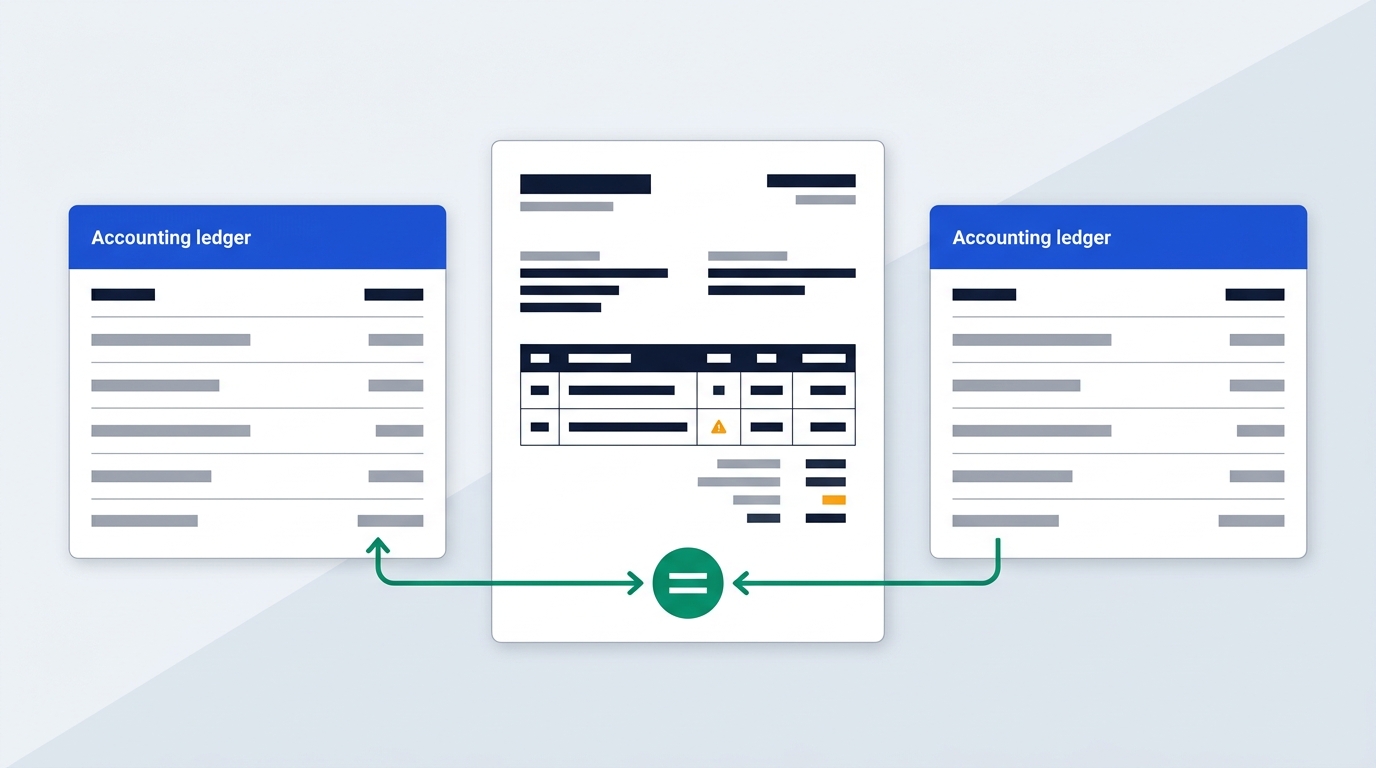
Your vendor sends an invoice without VAT, and you calculate the tax yourself. According to Taxually and the European VAT Desk, the duty to account for VAT moves from the seller to the buyer, so no VAT changes hands with the supplier.
The accounting is simple. You apply your own country's VAT rate to the net invoice amount. You report it as output tax, then deduct the same amount as input tax on the same VAT return. If you can recover input VAT in full, the net cash effect is zero.
Picture a French design studio paying a Polish software company. The invoice carries no VAT. The studio posts French-rate VAT as both output and input tax in the same period and pays nothing extra.
The legal basis is the EU VAT Directive 2006/112/EC. Article 44 places B2B services where the customer is established, and Article 196 makes that customer liable for the VAT. The European VAT Desk adds that Articles 195 to 198 make the rule mandatory in every Member State. Articles 194 and 199 let countries extend it to non-resident suppliers or high-risk transactions.
Fraud is the other driver. Taxually points to missing trader (carousel) fraud, where a seller collects VAT and disappears. HMRC calls its own domestic version in Notice 735 an anti-fraud measure against sophisticated attacks on the UK VAT system.
Not everyone gets the zero result. If you are partially exempt or not VAT-registered, Taxually warns you may owe the VAT without being able to reclaim it. Firms with financial or insurance income should plan for that.
Cross-Border Services Versus UK Domestic Rules
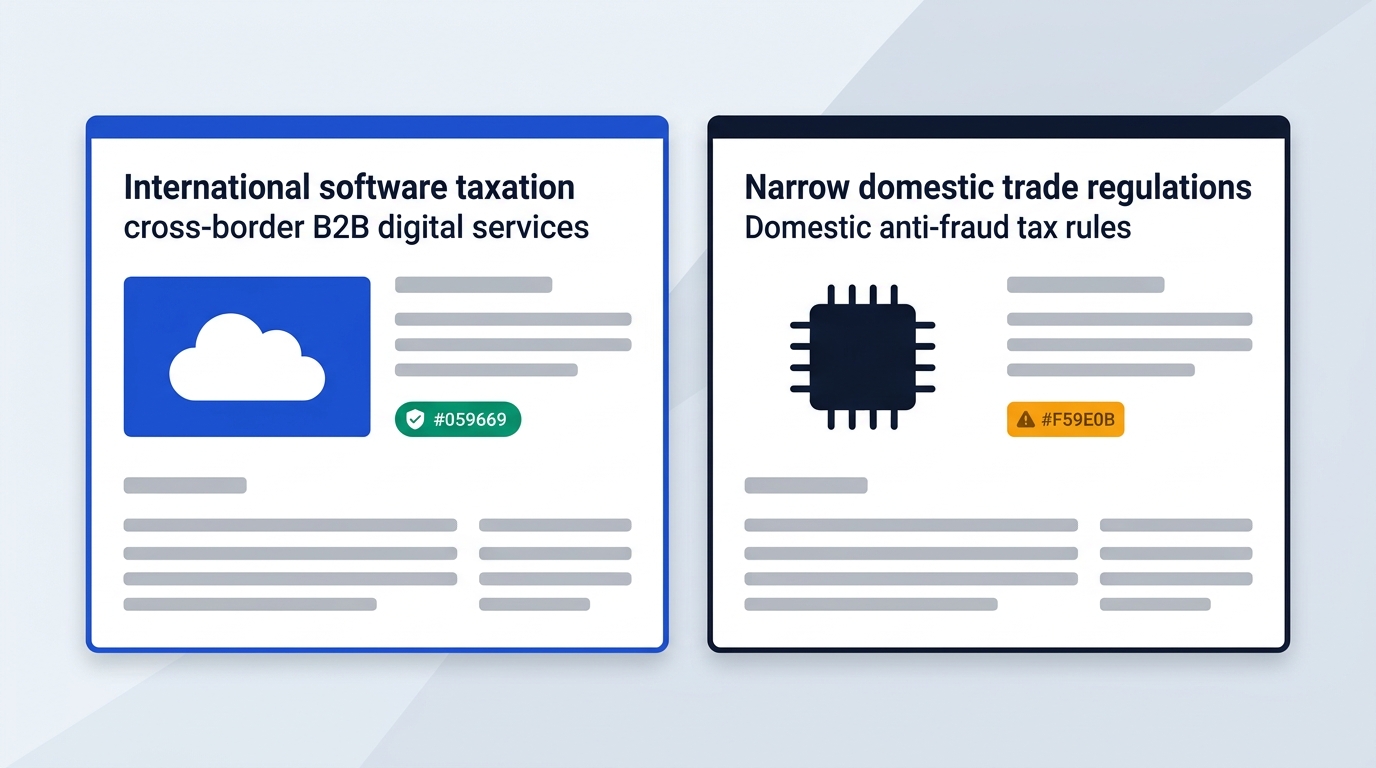
Two different rules share one name, and mixing them up produces wrong invoices. HMRC says so itself: its Notice 735 procedure "is not to be confused with the reverse charge for cross-border services", which sits in VAT Notice 741A.
The EU rule covers general B2B services. Taxually lists consulting, advertising, intellectual property and telecoms, and a software subscription follows the same logic. The vendor adds no VAT, and the customer pays it at their own country's rate through the reverse charge.
After Brexit, a UK buyer applies the reverse charge to services bought from EU or overseas vendors. Goods work differently. Imported goods attract import VAT, which VAT-registered businesses can account for on their return through postponed VAT accounting.
The UK domestic reverse charge is a narrow anti-fraud list under section 55A of the VAT Act 1994. Notice 735 (last updated 13 March 2026) covers mobile phones, computer chips under commodity code 8542 3190 00, wholesale gas and electricity, emission allowances, wholesale telecoms, renewable energy certificates and construction services. Normal SaaS subscriptions are not on it.
| Point | EU cross-border services | UK domestic (section 55A) |
|---|---|---|
| Scope | B2B services supplied to a business in another Member State | Specified goods and services sold between UK VAT-registered businesses |
| Legal basis | VAT Directive 2006/112/EC, Article 196 | VAT Act 1994, section 55A, and Notice 735 |
| Invoice wording | No VAT added, marked "Reverse charge" | No VAT charged, "Reverse charge: Customer to pay the VAT to HMRC", with the VAT the customer must account for stated separately |
| Relevance to SaaS buyers | Applies to software subscriptions from a vendor in another country | Does not apply to everyday software purchases |
Source: HMRC VAT Notice 735, the EU VAT Directive 2006/112/EC and Taxually.
Notice 735 also lists what stays outside. Laptops, servers, desktops, tablets and pre-assembled motherboards are excluded, as are phones sold with an airtime contract.
Entering Your VAT Number at Software Checkout
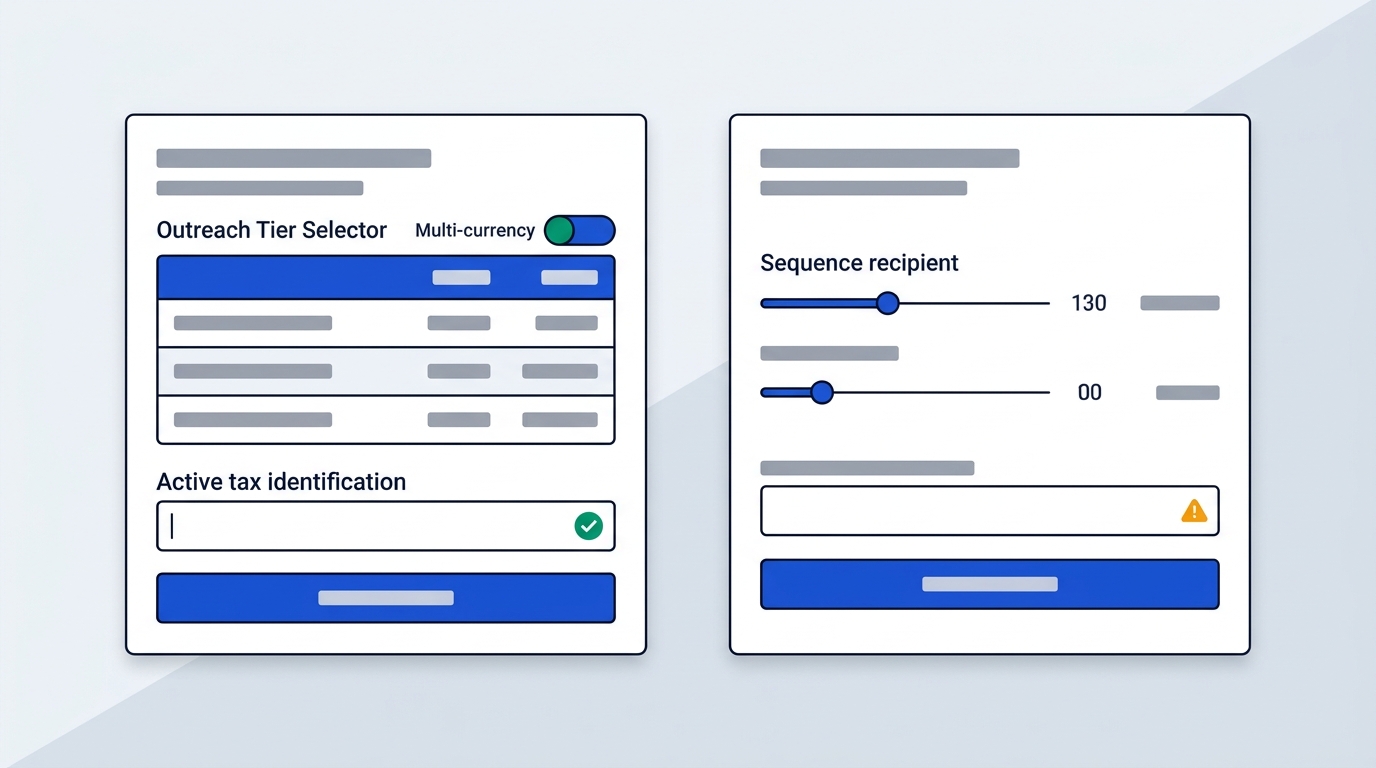
Enter your VAT ID before you pay, because the vendor validates it in the VIES database before dropping VAT from the invoice. If validation fails or you skip the field, the vendor must treat you as a consumer and charge local VAT.
That VAT is not small. According to the European Commission's VAT rates, standard rates run from 17% in Luxembourg to 27% in Hungary. A vendor that does not apply the reverse charge adds that tax to your B2B invoice.
Getting it back is a chore. You must ask the vendor for a corrected invoice or credit note, or file through a cross-border refund route. The European VAT Desk notes that local authorities may refuse to refund VAT when the reverse charge should have applied. So fix the field at checkout, not afterwards.
Why billing currency matters
USD invoices add your bank's foreign-exchange fee and expose you to rate changes. They also create a reporting step, because you must convert the invoice into your own currency for the VAT calculation. Vendors that bill in EUR or GBP spare you both.
Two cold-email tools show the difference, according to their pricing pages, checked October 2026:
- Woodpecker lists €35 a month (excluding VAT), £35 a month (excluding VAT) and US$35 a month for its 500 contacted prospects tier.
- Instantly lists prices in US$ only: US$37.6 a month on yearly billing for Growth, up to US$286.3 for Light Speed.
Compliant Invoicing and VAT Return Reporting
What goes on the invoice
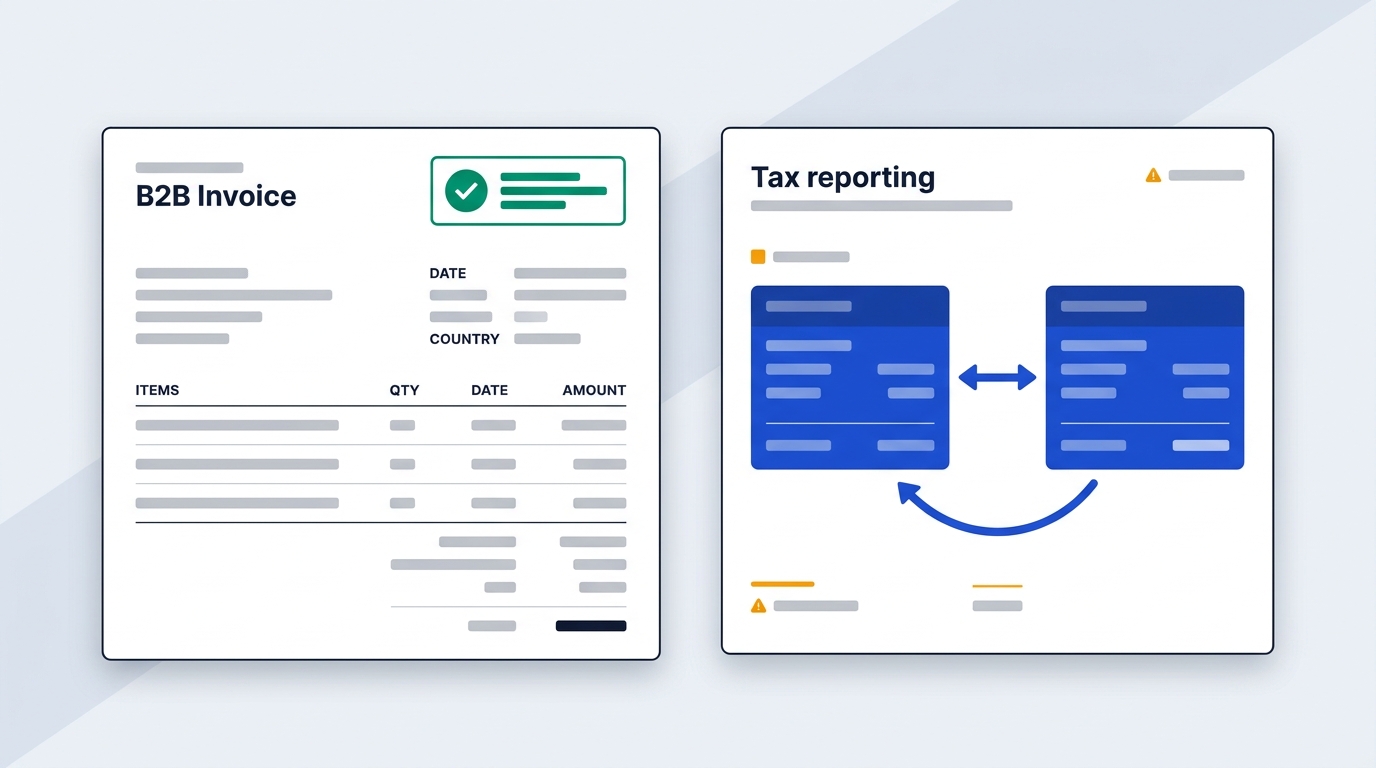
A reverse charge invoice shows the net amount, adds no VAT to the total and carries your VAT number. Taxually is clear on one point: do not show a 0% rate, because that wording belongs to zero-rated or exempt sales.
In the EU, the invoice must state "Reverse charge", and citing Article 196 of Directive 2006/112/EC makes the basis explicit. For UK domestic cases, HMRC accepts "Reverse charge: Customer to pay the VAT to HMRC". That wording is for UK domestic invoices, so an overseas vendor may phrase it differently.
What goes on the UK VAT return
For services bought from abroad, you post the calculated VAT in two boxes:
- Box 1: the VAT due as output tax.
- Box 4: the same VAT reclaimed as input tax.
- Boxes 6 and 7: the net value of the service.
Boxes 1 and 4 cancel, so you owe nothing if you recover VAT in full. If you make exempt supplies, the picture changes. You declare the whole amount in Box 1 but reclaim only your partial exemption percentage in Box 4, which leaves tax payable.
Do not confuse this with postponed VAT accounting on imported goods. That procedure uses Boxes 1, 4 and 7, and it applies to physical goods crossing the border, not to subscriptions. Keep the two treatments in separate ledger codes so your accountant can tell them apart.
Procurement Checklist for European Software Buyers
Run these five checks before you sign up. They keep the reverse charge clean and the data side compliant.
- A real tax invoice. A card receipt will not do. You need legal entity names, full registered addresses and both VAT numbers. Vendors that cannot issue this leave you unable to document the reverse charge.
- A signed DPA. Under GDPR Article 28, a vendor processing personal data for you needs a written Data Processing Agreement. Add Standard Contractual Clauses when the data leaves the EEA without an adequacy decision. Generic terms of service are not a substitute.
- Sub-processors and breach duties. The processor must disclose sub-processors and report breaches without undue delay. You then have 72 hours to notify the supervisory authority.
- AI training terms. GDPR does not itself ban model training. Confirm the contract excludes your business data from AI training.
- Six years of records. In the UK, keep reverse charge invoices and VIES confirmations for six years. Other countries set their own periods.
Here is how the two vendors above compare on the data side, according to their legal pages, checked October 2026. Woodpecker is a Polish company (Woodpecker.co S.A., Wrocław) and states a DPA, Standard Contractual Clauses for transfers and a sub-processor list. Instantly is a Delaware company with servers in the United States, and it says transfers from Europe rely on the EU–US Data Privacy Framework and the UK–US Data Bridge.
For a full side-by-side, see Instantly vs Woodpecker.co.
Frequently Asked Questions About Reverse Charge
Can unregistered buyers use reverse charge?
No. Without a VAT registration you cannot self-account, so the vendor charges standard consumer VAT. Receiving large volumes of specified goods or services can also make you liable to register, as Notice 735 explains in section 1.1.
Does reverse charge cover non-EU goods?
No. Tangible goods imported from outside the EU attract customs import VAT, or postponed VAT accounting in the UK. The cross-border reverse charge is for services.
Is 0% VAT acceptable on the invoice?
No. "0% VAT" or "Exempt" is the wrong label for a reverse charge sale. It can make a tax authority question your input deduction, and it exposes the seller to penalties. The invoice should say "Reverse charge" and show no VAT in the total.
Do UK domestic rules cover business laptops?
No. Notice 735 excludes finished computers, servers, laptops and tablets. It reaches only loose computer chips under code 8542 3190 00 and mobile phones sold without an airtime contract. Your laptop purchase carries ordinary VAT, which you reclaim as normal.
How do USD invoices get converted?
Convert the net USD amount into your domestic currency, EUR or GBP, at the exchange rate your tax authority accepts on the tax point date. The central bank rate is the usual choice. Then apply your domestic VAT rate to that converted figure and use the same rate for both the output and input entries. If the card statement shows a slightly different amount because of bank fees, the invoice conversion still drives your VAT.
What to do next
Fully VAT-registered buyers can treat the reverse charge as a paperwork step, not a cost. Partially exempt firms and unregistered sole traders should budget for real VAT instead of assuming it nets to zero. UK buyers juggling Notice 735 and cross-border services need to keep the two regimes separate in their ledgers.
Before your next software invoice lands, run through the procurement checklist and confirm your VAT number validates at checkout.


