











Compare SEO PowerSuite vs Semrush on pricing, AI search tracking, and audit depth. This guide also covers GDPR compliance to help you decide.
Should you pay a recurring SaaS subscription for Semrush? Or buy a desktop license for SEO PowerSuite to manage your keyword tracking? The choice depends on your team structure, budget, and specific SEO needs.
Semrush fits cross-functional marketing teams needing cloud accessibility and paid search data. It also includes integrated AI prompt tracking. SEO PowerSuite suits budget-conscious technical agencies and solo consultants needing unmetered crawling. It provides flat-fee rank tracking without SaaS quotas.
SEO PowerSuite vs Semrush at a glance
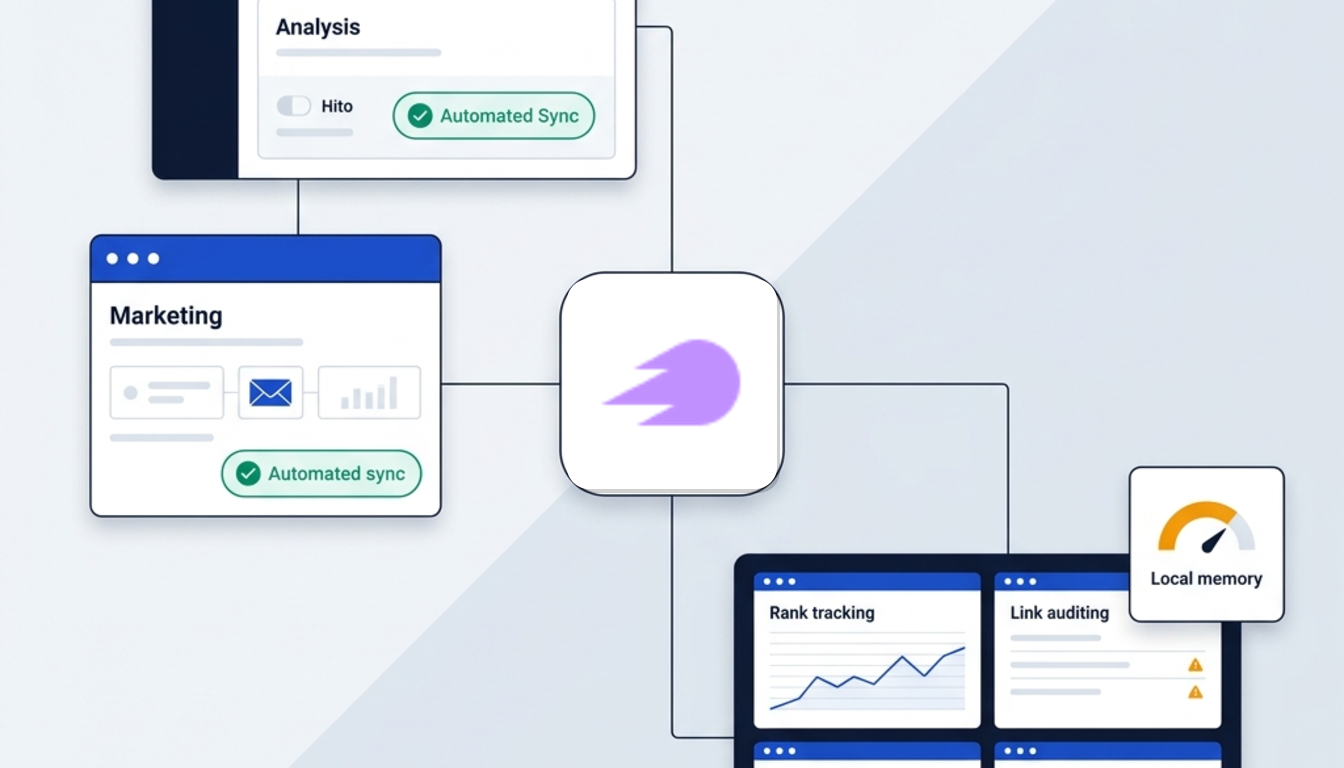
Many teams weigh recurring cloud fees per seat and per tracked keyword. Others prefer a flat desktop license while managing machine performance.
| Feature | Semrush | SEO PowerSuite |
|---|---|---|
| Architecture | All-in-one cloud platform (over 55 browser-based tools) | 4 separate desktop applications (Windows, macOS, Linux) |
| Core modules | Browser-based suite | Rank Tracker, WebSite Auditor, SEO SpyGlass, LinkAssistant |
| Commercial model | Recurring cloud fees per seat and per tracked keyword | Flat desktop license |
Source: Official Semrush pricing and product documentation checked October 2026; Link-Assistant platform documentation checked October 2026.
When to choose which SEO platform
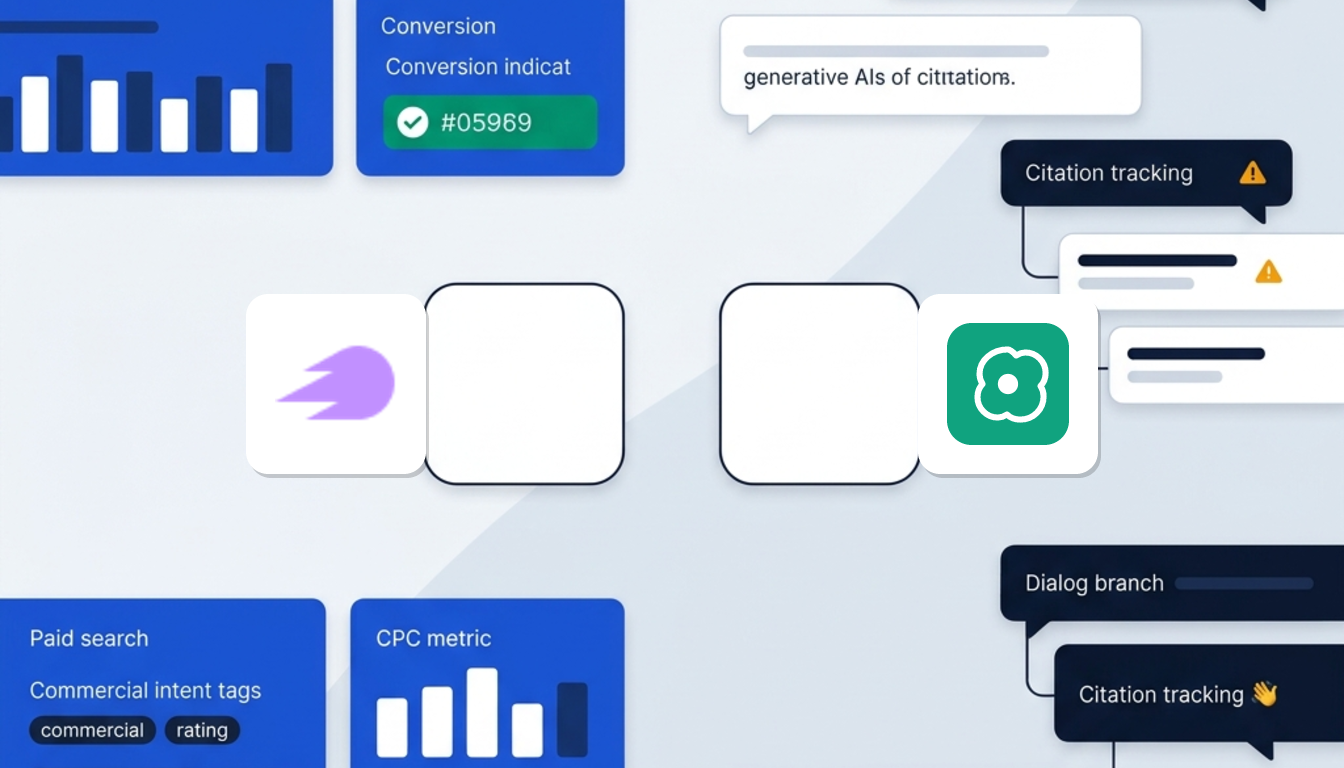
Choose Semrush if you:
- Manage multi-channel campaigns needing Google Ads CPC insights and ad copy.
- Categorise search intent across four distinct stages.
- Need integrated tools for content marketing, social media management, and paid advertising.
- Track brand citations and conversational prompts in generative engines like ChatGPT and Gemini.
Choose SEO PowerSuite if you:
- Run campaigns requiring unmetered rank checks across 28 search engines without keyword paywalls.
- Require street-level local rank tracking tied to specific geographical coordinates or postcodes rather than city-wide averages.
- Work offline frequently and inspect site architecture or internal link flow without cloud crawling surcharges.
Rank tracking and AI visibility limits
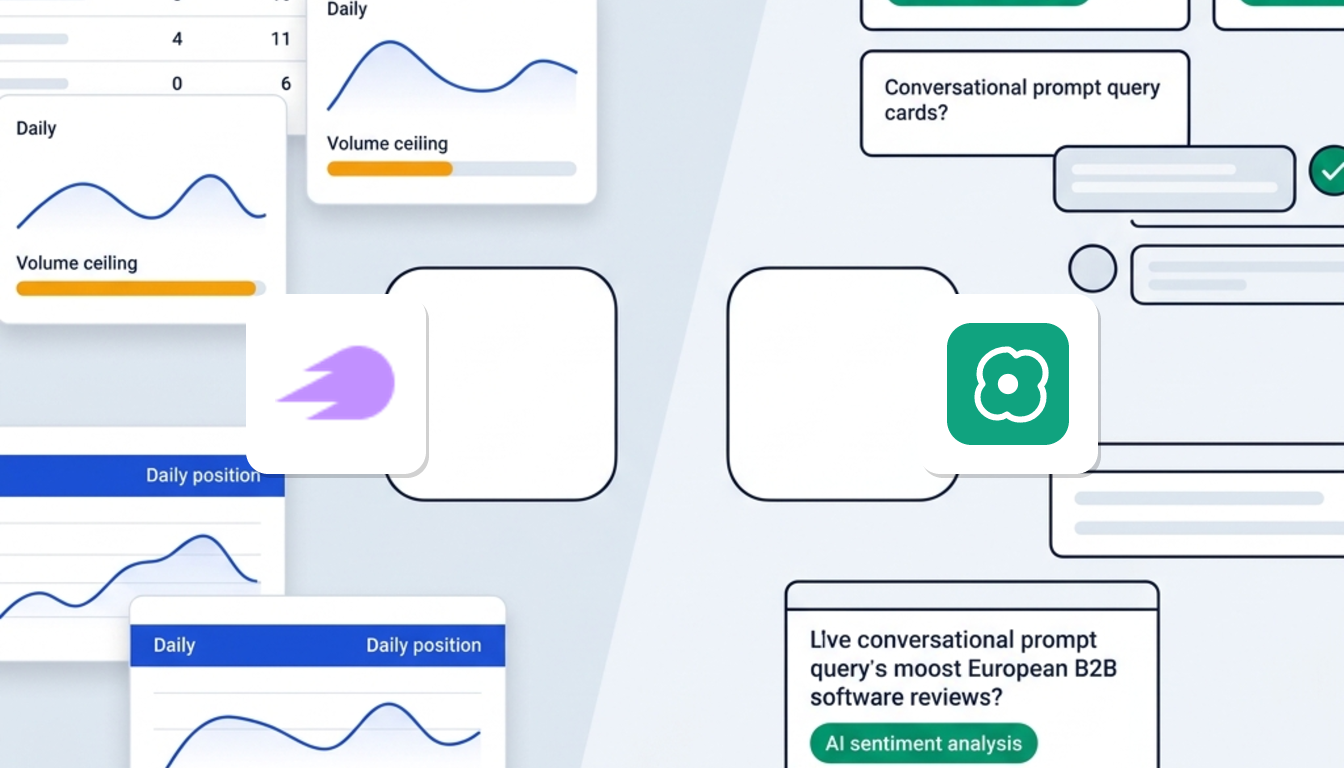
The way each platform handles rank tracking and AI visibility differs significantly, impacting your daily operations and costs.
| Capability | Semrush | SEO PowerSuite |
|---|---|---|
| Tracked keyword limits | Meters keywords strictly from 500 to 5,000 keywords | Unlimited position tracking without volume caps or extra fees |
| Engine support | Daily automated mobile and desktop updates | 28 search engines (including Google, Bing, Yahoo, Yandex, YouTube) |
| AI visibility tracking | Monitors ChatGPT, Google AI Mode, and Gemini with daily prompt allowances; tracks prompt answers and sentiment | Monitors Google AI Overviews strictly as a SERP snippet feature |
| Operational requirements & limits | Strict daily limits on keyword expansions | Requires proxies and CAPTCHA solving services for massive daily checks from one IP address |
Technical site audits and machine demands
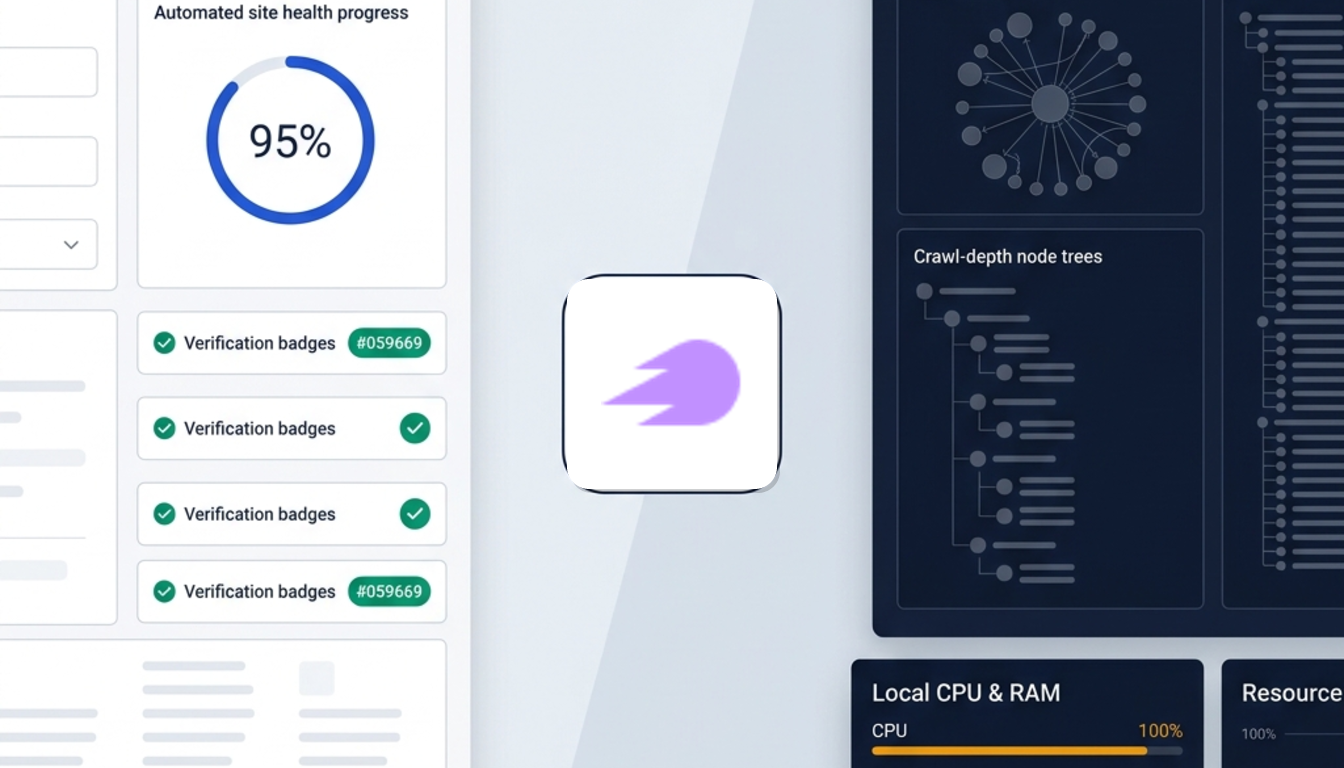
The infrastructure behind site audits impacts both performance and cost, especially for large websites.
- Semrush: Runs automated cloud crawls on remote servers. This delivers scheduled site health reports in your browser without consuming your local network bandwidth or RAM.
- SEO PowerSuite WebSite Auditor: Executes crawls directly from your desktop. This gives you uncapped page crawling on local projects without monthly URL allowances.
- Visualisations: WebSite Auditor generates interactive internal link graphs and PageRank flow visualisations natively to map crawl-depth bottlenecks for client presentations.
- Workstation demands: Large-scale crawls in WebSite Auditor demand substantial workstation RAM and CPU resources, and can trigger IP blocks unless you configure throttling or proxies.
Domain research and backlink intelligence
Understanding a domain's performance and backlink profile is fundamental to competitive analysis. Each tool approaches this with different strengths.
| Research Area | Semrush | SEO PowerSuite |
|---|---|---|
| Domain metric | Authority Score (0 to 100) combining link power, estimated organic traffic, and backlink spam factors | Domain Strength using internal link metrics, domain age, and social signals |
| Backlink data | Backlink Analytics cloud queries of referring domains with historical link velocity | SEO SpyGlass hybrid merging of proprietary index with Google Search Console data and CSV imports |
| Advertising analysis | Historical CPC estimates, paid competitor copies, and four-tier search intent tagging | Displays organic traffic metrics only |
| Geographic scope | Evaluates worldwide domain performance across up to 5 countries simultaneously | Analyzes domain metrics one country at a time |
Pricing and European agency scaling costs
The pricing models represent a major budget difference. This distinction matters especially for European agencies managing recurring software costs.
| Semrush Plan | Monthly Price | Annual Billing | Included Allowances |
|---|---|---|---|
| Free | $0/month | $0/month | 1 demo project, 10 reports per day |
| SEO | $139/month | $117.33/month | 5 sites, 500 keywords |
| Starter | $199/month | $165.17/month | Adds 50 AI prompts |
| Pro+ | $299/month | $248.17/month | 15 sites, 1,500 keywords, 100 AI prompts |
| Advanced | $549/month | $455.67/month | 40 sites, 5,000 keywords |
Semrush team scaling also involves recurring surcharges:
- Additional user seats start at $45 per user per month.
- Automated white-label reporting requires the Base Report ($10/month) or Pro Report ($20/month) add-on.
SEO PowerSuite operates on a flat annual desktop license:
- Covers all four modules with unmetered projects and unlimited tracked keywords.
- Includes client reporting without per-seat or per-domain expansion fees.
- Requires modest third-party proxy expenses only for heavy usage.
If your agency needs raw data without recurring seat pricing, you might explore pay-as-you-go data providers like /deals/dataforseo/. Established alternatives that offer different pricing structures include /deals/ahrefs/ and /deals/surfer-seo/.
GDPR data sovereignty and European compliance
For European businesses, data sovereignty and GDPR compliance are critical considerations when choosing an SEO tool.
- Semrush: Delaware corporation based in Boston, USA. It provides a Data Processing Agreement (DPA) incorporating EU Standard Contractual Clauses (Decision 2021/914), governed under Czech law. Documentation publishes no specific EU data center guarantees for account data, relying on standard contractual clauses for trans-Atlantic transfers.
- SEO PowerSuite: The software runs entirely on local desktop hardware. All crawl logs, project databases, client lists, and keyword reports remain stored on your hard drive with no external vendor processing.
- Compliance implications: Teams with strict rules under GDPR Article 28 on data processor obligations, or organizations prohibiting US cloud storage, stay compliant via SEO PowerSuite's offline local environment.
If you want cloud ease with EU-hosted NLP and data infrastructure, you can reference European solutions like /deals/surfer-seo/, which provides hosting in Poland and Germany.
Which one fits your workflow
If you run multi-channel campaigns and want AI prompt tracking alongside paid search data, Semrush fits better. Choose SEO PowerSuite if you are a technical agency or solo consultant needing unmetered crawling. It provides flat annual licensing instead of per-seat SaaS fees. European buyers with strict data residency rules may lean toward SEO PowerSuite's local setup too.
Start by matching your keyword volume and team size against the pricing section above before committing to either platform.