











Compare SE Ranking vs Semrush on pricing, AI search tracking, keyword databases, seat costs, and GDPR terms for European SEO agencies.
TL;DR: Yes, SE Ranking can replace Semrush for boutique agencies and in-house teams, and this comparison shows where. It falls short if you need deep historical archives and massive keyword volumes. Those enterprise teams should stay with Semrush.
SE Ranking vs Semrush at a Glance
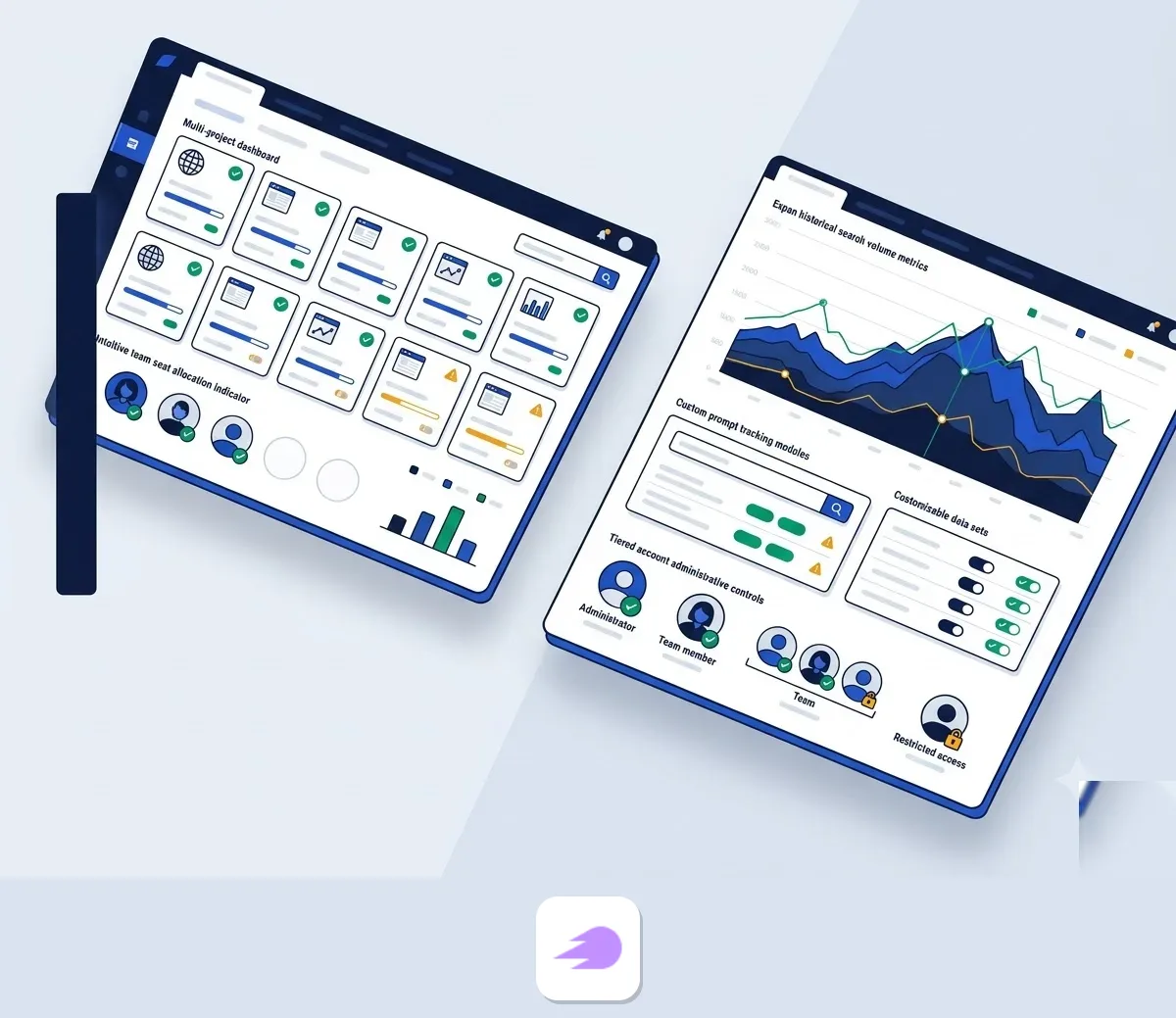
For European digital agencies and boutique teams watching their budget, SE Ranking handles daily client workloads smoothly without requiring Semrush's extensive historical depth. Semrush stays necessary for enterprise brands, large agencies and competitive-intelligence teams.
The split reflects your agency setup: SE Ranking includes multi-project support and lower seat costs, whereas Semrush maintains a significantly larger keyword database and adds custom enterprise-scale AI tracking.
Entry pricing also sets them apart, because SE Ranking starts at a substantially lower baseline cost than Semrush.
Free access differs too. Semrush provides a free tier with one project and 10 daily reports. For full features, Semrush offers a 7-day trial with a credit card, whereas SE Ranking gives you a 14-day trial without card details.
If you want other tools in this space, browse our SEO and content software category.
Which Tool Fits Your Specific Workflow
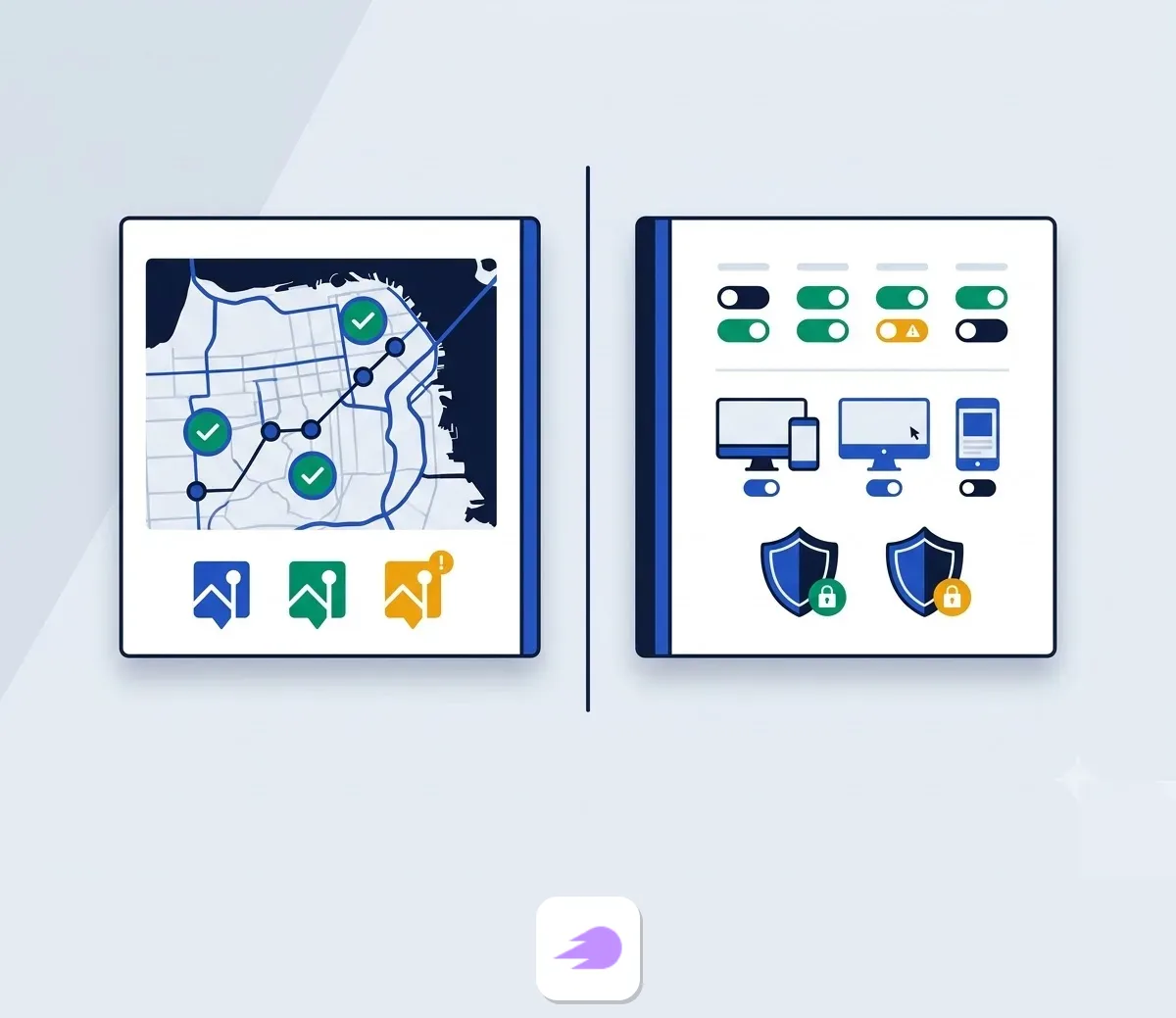
Your workflow decides this more than any feature list. Two agency setups show where the tools split.
Who gets more from SE Ranking?
For example, if you run a small agency in Lyon managing eight client sites, SE Ranking covers you on its entry plan with 10 projects. In contrast, Semrush allows only 5 websites on Starter, so that same client roster forces an upgrade to Pro+.
Furthermore, for local specialists, SE Ranking provides a Grid Rank Tracker for Google Maps, Google Business Profile audits, and bundled directory listings, whereas Semrush treats directory management as a paid add-on.
Who still needs Semrush?
Enterprise teams need scale and governance; for instance, Pro+ tracks across separate locations and devices. Advanced expands capacity to 40+ client websites. Enterprise adds unlimited projects, single sign-on (SSO) login security, audit logs, a dedicated account manager, and a guaranteed service level agreement (SLA).
Likewise, solo consultants often start with Semrush, because its free tier allows preliminary keyword research before committing to recurring spend.
Keyword Database Breadth and Historical Data
How far apart are the databases?
Semrush lists 26.6 billion keywords compared to 4.9 billion in SE Ranking. While Semrush offers greater breadth, SE Ranking covers standard queries across European markets.
How much history do you get?
Semrush provides traffic records back to 2012 starting on Pro+. SE Ranking tracks domain and keyword history back to 2020 on its Growth plan. That matters if you study how a competitor recovered from a collapse years ago. For the last few years of competitor movement, 2020 is enough.
Limits differ as well. Furthermore, SE Ranking permits unlimited keyword requests daily with 100,000 rows per report, whereas Semrush caps daily requests at 3,000 to 10,000 and 50,000 rows. These vendor limits mean bulk exports across many clients are where caps bite.
Which handles keyword grouping better?
For keyword research, Semrush includes tools like Keyword Magic and Strategy Builder to generate complete content clusters. SE Ranking offers a core keyword tool, a keyword grouper, and a Keyword Manager for bulk analysis and for uploading lists that aren't in its database.
While SE Ranking simplifies lists, Semrush provides deeper settings. Because Semrush defaults to US results, remember to select your target European market before each session.
Rank Tracking Accuracy and Platform Reach
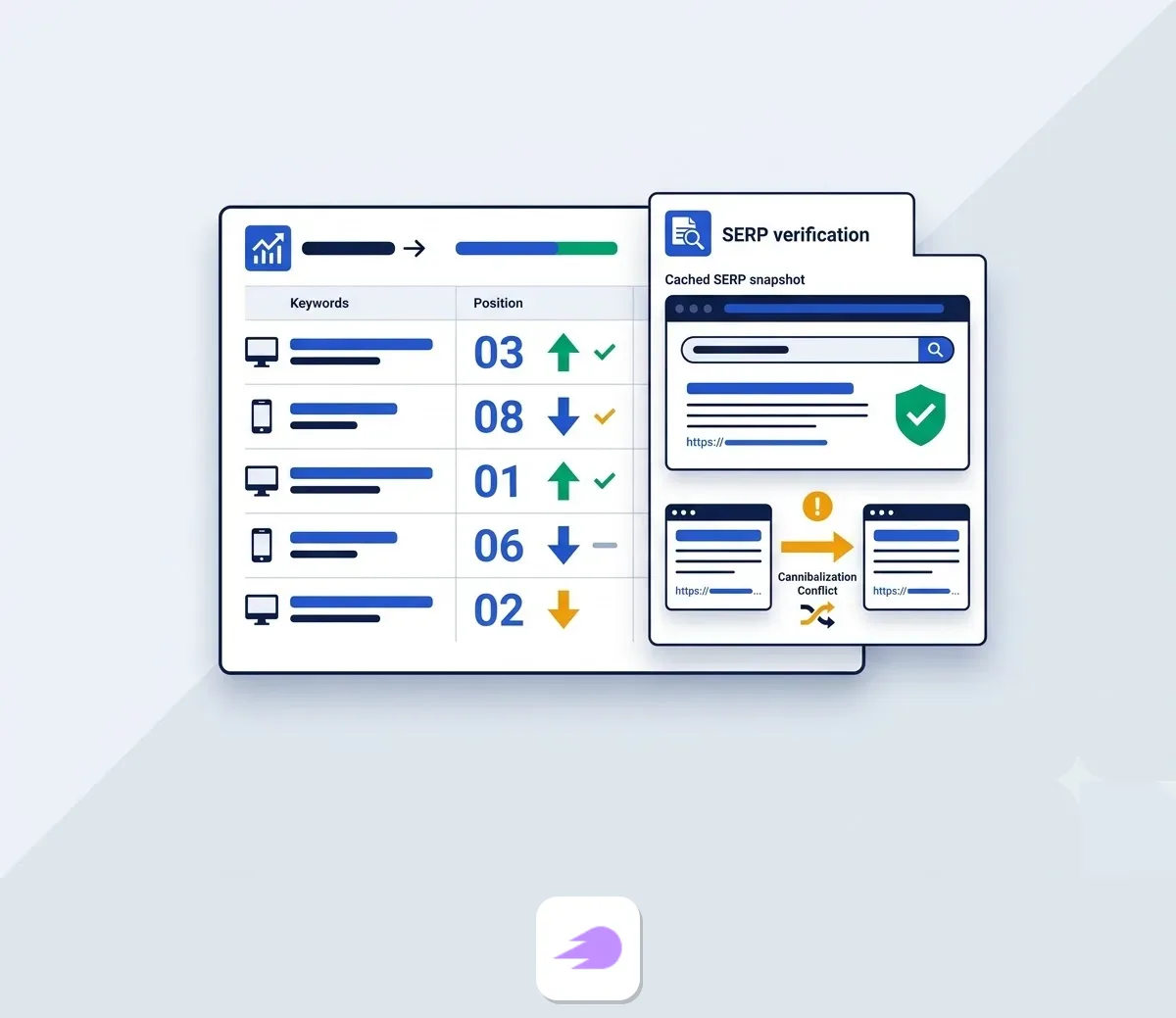
SE Ranking reaches more places, while Semrush offers more reporting depth on its higher tiers. Specifically, SE Ranking tracks desktop and mobile rankings on Google (Top 100), Bing, Yahoo! and YouTube across locations, devices and languages. Updates are daily. Semrush provides mobile tracking across all tiers, reserving multi-location and multi-device tracking for Pro+.
Additionally, SE Ranking stores a cached copy of every tracked SERP, providing visual proof if a client queries a ranking.
Daily keyword allowances break down across tiers as follows:
- Semrush SEO and Starter: 500 keywords tracked daily.
- Semrush Pro+: 1,500 keywords.
- Semrush Advanced: 5,000 keywords.
- SE Ranking: up to 5,000 keywords with daily updates.
Both tools flag cannibalisation, where your pages compete. Semrush limits this to Pro+ and reserves overall market visibility metrics for Advanced. Meanwhile, SE Ranking includes market visibility and traffic forecast metrics without restricting them to higher tiers. So for agencies reporting client visibility on mid tiers, this difference is worth weighing.
AI Search Tracking and Prompt Allowances
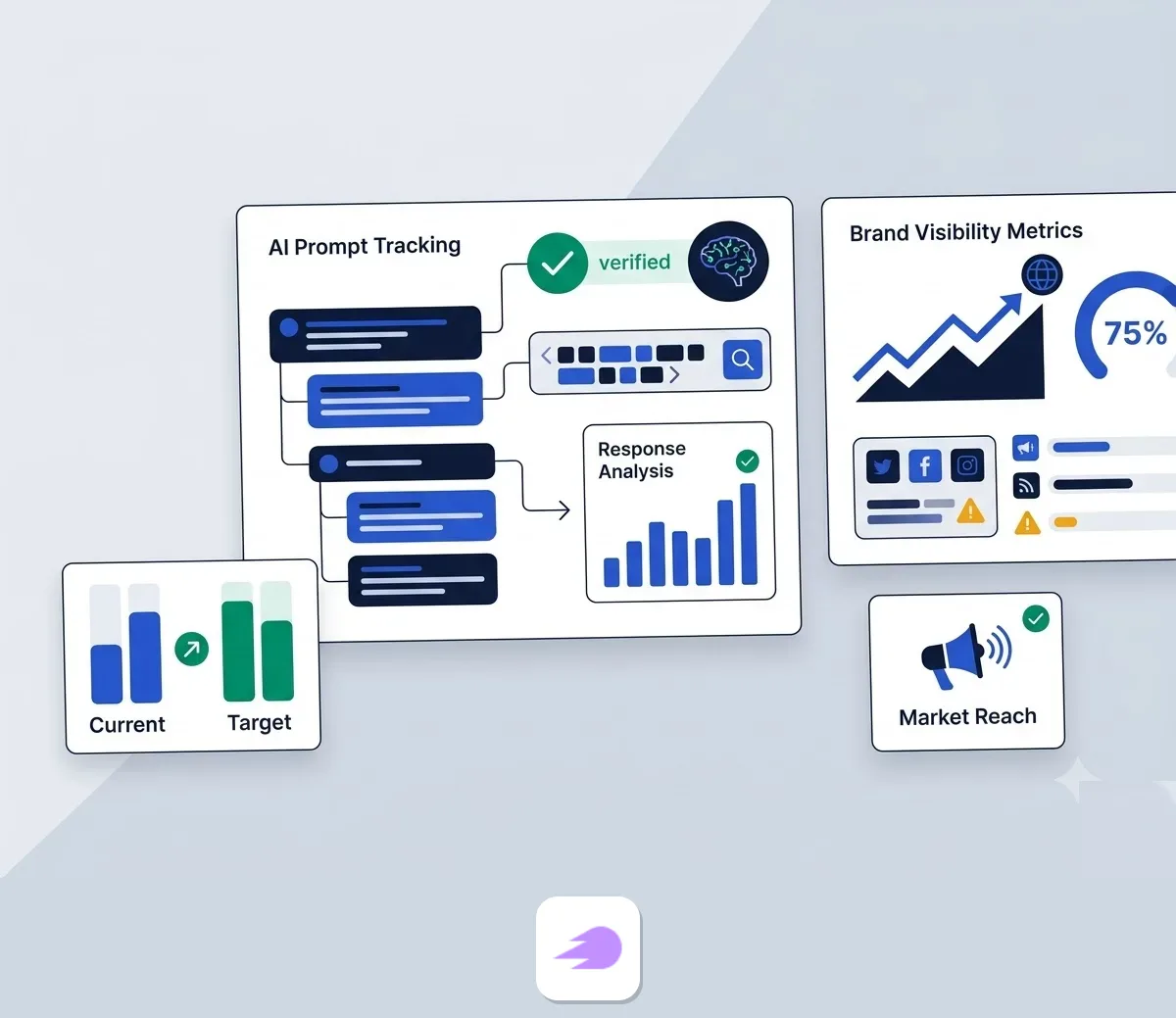
While SE Ranking includes more daily AI prompts, Semrush provides a broader AI feature ladder across its tiers:
- SEO tier: AI search performance, sentiment monitoring and custom prompts.
- Starter: 50 prompts tracked daily, 1 domain for AI brand performance, 300 AI visibility reports a day, an AI-ready Site Audit and MCP access.
- Pro+: 100 prompts tracked daily.
- Enterprise: custom large-scale AI prompt tracking and multi-brand AI visibility.
In comparison, SE Ranking tracks up to 250 AI prompts daily. SE Ranking tracks AI Overview presence in its SERP history, while Semrush monitors how a site performs for specific ChatGPT search queries.
Prompt counts matter less than your client count. If you track ten prompts per client, 50 prompts covers five clients. Starter's single domain for AI brand performance may bind sooner than the prompt cap if you serve many brands.
Technical Site Audits and Agency Reporting
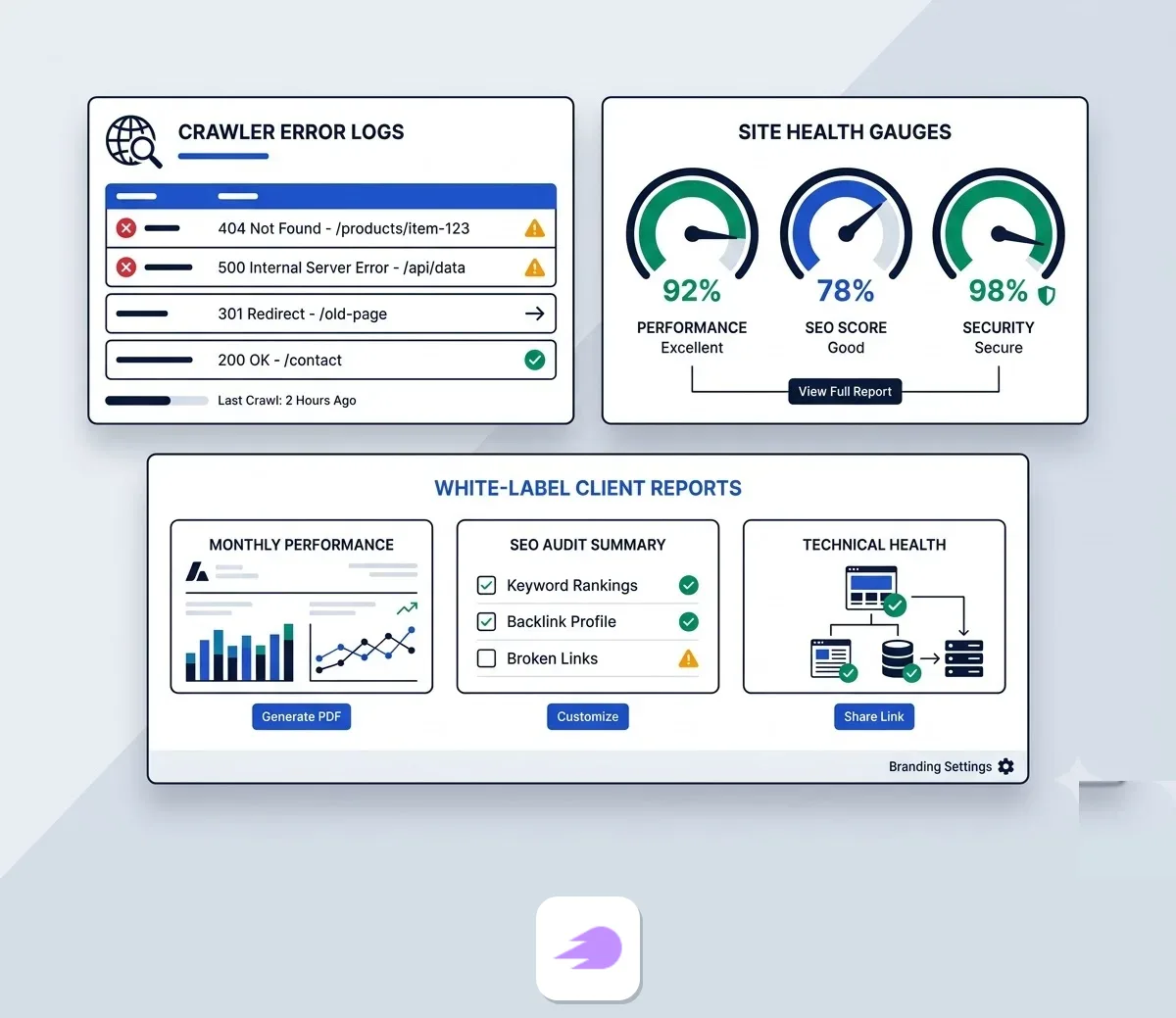
How do the site audits compare?
For crawl capacity, both tools audit up to 1 million pages per project. SE Ranking audits across 100+ parameters, lets you set crawl rules and scheduled checks, and compares past audits. Its page-level audit benchmarks a single page against live SERP competitors.
However, presentation differs: Semrush groups issues by priority with concise fix guidance. SE Ranking displays comprehensive technical data across numerical dashboards. If your clients read the audit themselves, that clarity may matter.
What does agency reporting cost?
Meanwhile, Semrush sells reporting as add-ons:
- Base Report, US$10/month: data from 20+ tools, Google Analytics and Search Console integrations, daily, weekly or monthly scheduling, PDF export.
- Pro Report, US$20/month: everything in Base, plus 20+ external integrations, white-labelling, AI summaries and sharing by link.
- Lead Generation, US$90/month: a branded profile on the Semrush Agency Partners platform and a verified badge.
SE Ranking bundles white-label reporting, a lead generator and 30 client seats into its Agency Pack. It also connects to Google Analytics, Search Console and Matomo, with Data Studio connectors for client dashboards. The lead tools are not like-for-like on paper. Semrush's add-on is a partner-directory profile, so compare what each actually does for your sales process.
Subscription Pricing and Team Seat Addons
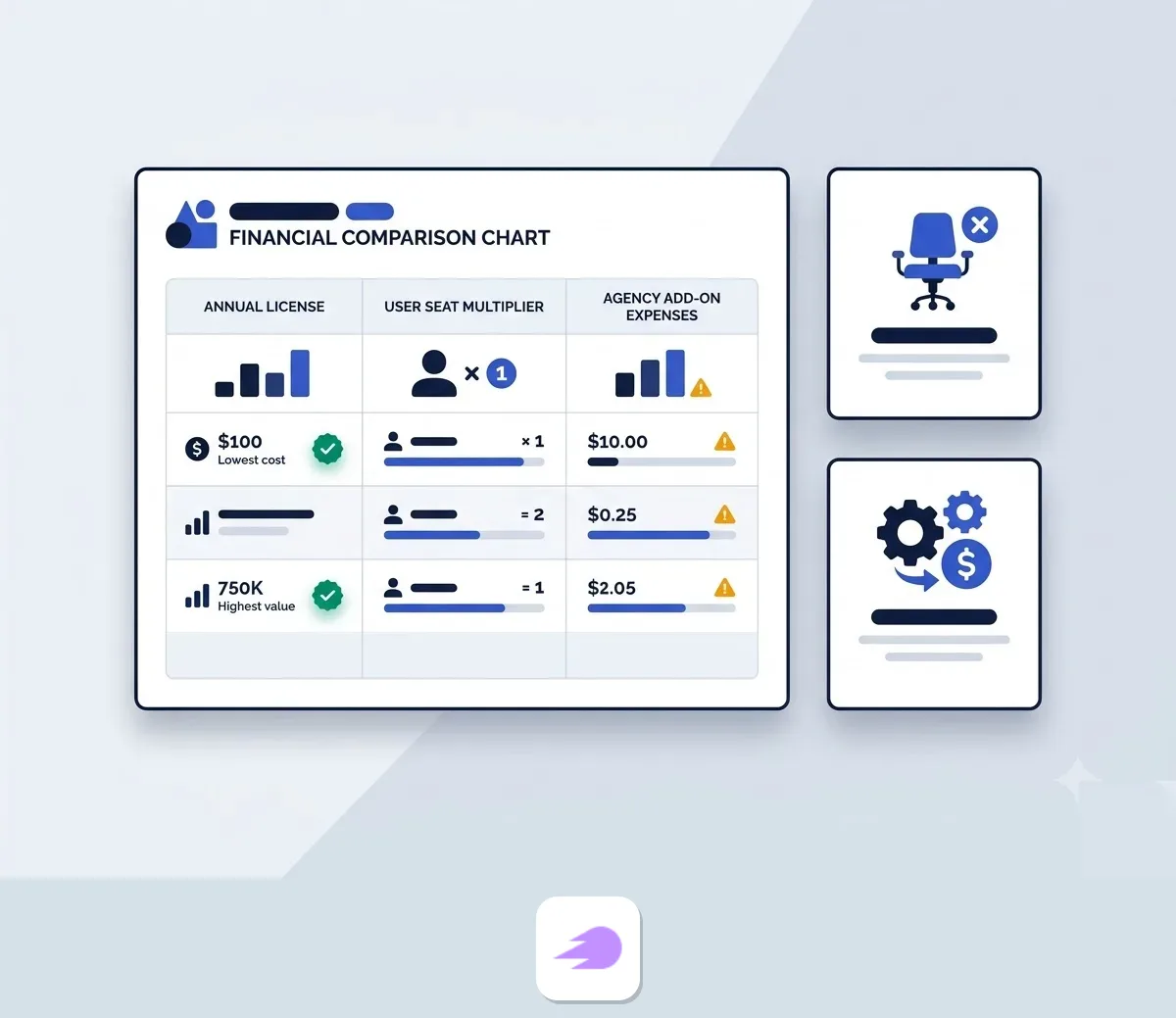
SE Ranking generally presents lower baseline price points, although direct comparison requires noting the different currencies. Semrush structures its standard plans as follows:
| Semrush plan | Monthly billing | Per month, billed annually |
|---|---|---|
| SEO | US$139 | US$117.33 |
| Starter | US$199 | US$165.17 |
| Pro+ | US$299 | US$248.17 |
Source: Semrush pricing page, checked October 2026. Advanced is custom-priced on request. You can see current offers on our Semrush page.
SE Ranking plans start from €87.20 per month (or €1,046.40 annually with a 20% discount), whereas Semrush offers up to 17% off on annual commitments. Moreover, SE Ranking includes free project migration on annual plans.
Seats are where the models diverge. Semrush charges from US$45 per month for each extra user. SE Ranking charges €14.40 per month per additional user seat.
For a three-person agency, build the cost in layers. Start with the plan price, add each extra seat, then add the reporting you need. On Semrush that means Pro Report at US$20. On SE Ranking it means the Agency Pack. SE Ranking stays more affordable as you add team seats and reporting.
European Data Compliance and Billing Setup
What do the data terms say?
Legally, Semrush Inc. is a Delaware corporation based in Boston, USA. As a data processor, its data processing agreement incorporates EU Standard Contractual Clauses (Decision 2021/914) alongside the UK transfer mechanism. The Clauses are governed by Czech law.
Neither vendor guarantees exclusive EU server storage. This matters if your European client contracts require strict local data storage.
How do billing and VAT work?
Semrush lists prices in US$, so expect your bank's exchange rate if your card is in euros or pounds. SE Ranking's comparison table lists euro prices. For an agency invoicing clients in euros, that keeps your costs in the same currency as your revenue.
Prices in this article are before VAT. If you are VAT-registered in France, Spain, Italy or Ireland, cross-border B2B purchases use the reverse charge mechanism, meaning you account for VAT locally rather than paying it to the vendor. UK businesses follow standard HMRC VAT rules.
Which one should you pick?
Boutique agencies and in-house teams running daily client work get more value from SE Ranking, especially once seats and reporting add up. Enterprise brands, large agencies and anyone needing deep historical data or massive keyword coverage should stay with Semrush. Solo consultants testing the waters can lean on Semrush's free tier before committing to either.
Not sure which camp you're in? Revisit which tool fits your specific workflow and match it against your client roster before you subscribe.