











Compare Semrush vs Moz on pricing, keyword index size, AI search tracking, and GDPR terms to choose the right SEO platform for your European business.
TL;DR: In a Semrush vs Moz choice, Moz Pro suits one-site owners and small teams on a budget, from US$49 a month. Semrush suits marketers who need vast keyword coverage, PPC data and AI tools in one platform, from US$139. Pay more only if you will use the extra channels.
Semrush vs Moz Quick Verdict
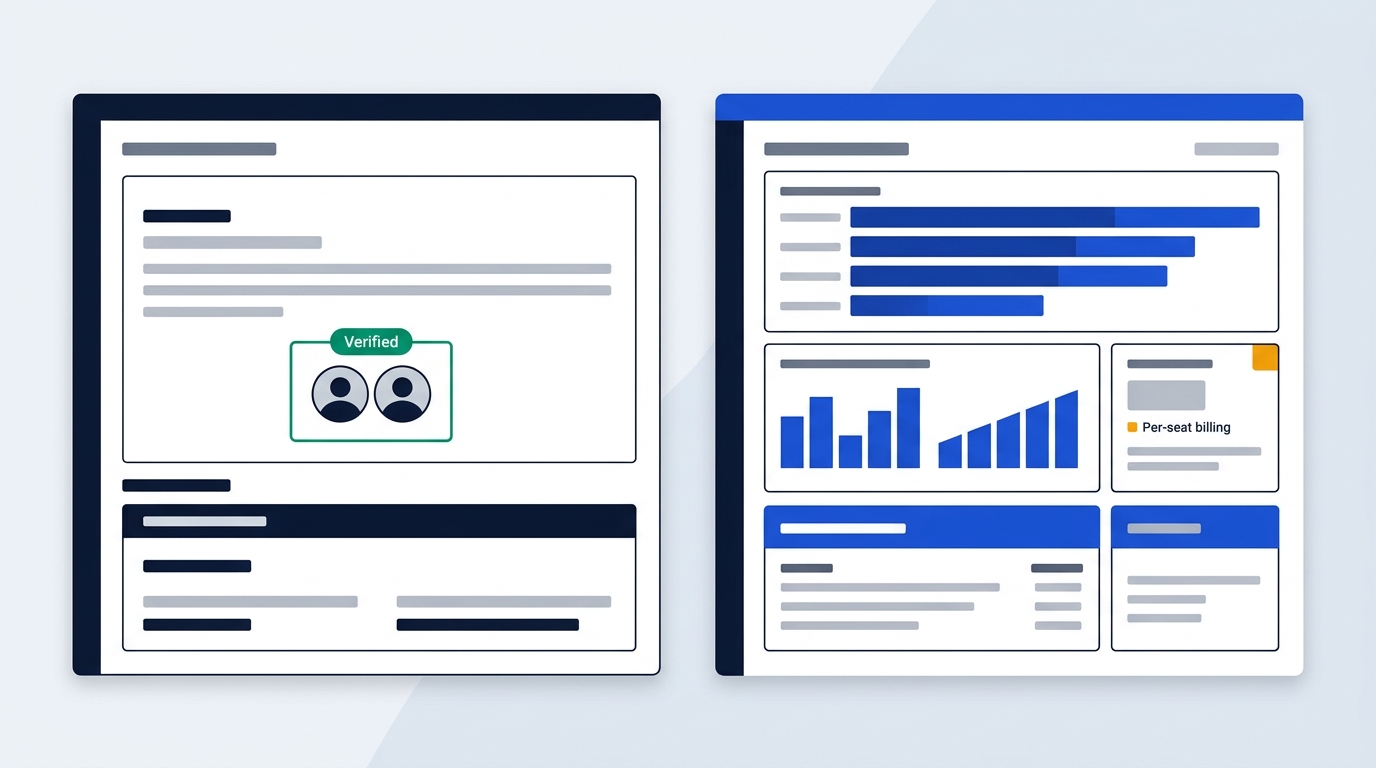
Pay for Semrush only if you will use more than organic search. If you track rankings and crawl one site, Moz Pro does that for less. If you also run ads, social and content, Semrush can replace several tools. Either way, check the seat count before you look at the headline price.
Who each tool suits
- Moz Pro suits single-site owners, budget-conscious European teams and small agencies. It starts at US$49 a month, and the Standard plan at US$99 already bundles core SEO, large weekly crawls and AI prompt tracking.
- Semrush suits mid-market brands, multi-channel marketers and agencies. Its keyword database holds 26.7 billion keywords against Moz's 1.25 billion, and it adds competitor PPC data and Google Ads PLA research. Plans start at US$139 a month.
Prices come from the Moz and Semrush pricing pages, checked October 2026. The keyword counts come from Semrush's own comparison page, with data as of May 2025.
Seats and competitor data
Seats change the maths. Moz Pro includes 2 seats on Medium (US$179 a month) and 3 on Large (US$299). Oneupweb's 2024 comparison notes that Semrush adds a cost for each extra user, so every additional login raises the bill.
Competitor research is the second split. Semrush estimates a rival's organic traffic and shows an intent breakdown by keyword. Moz Pro limits traffic data to a Google Analytics account you connect, according to Style Factory's comparison (updated September 2026). That makes it useless for sizing up a competitor's traffic.
When to Pick Moz or Semrush
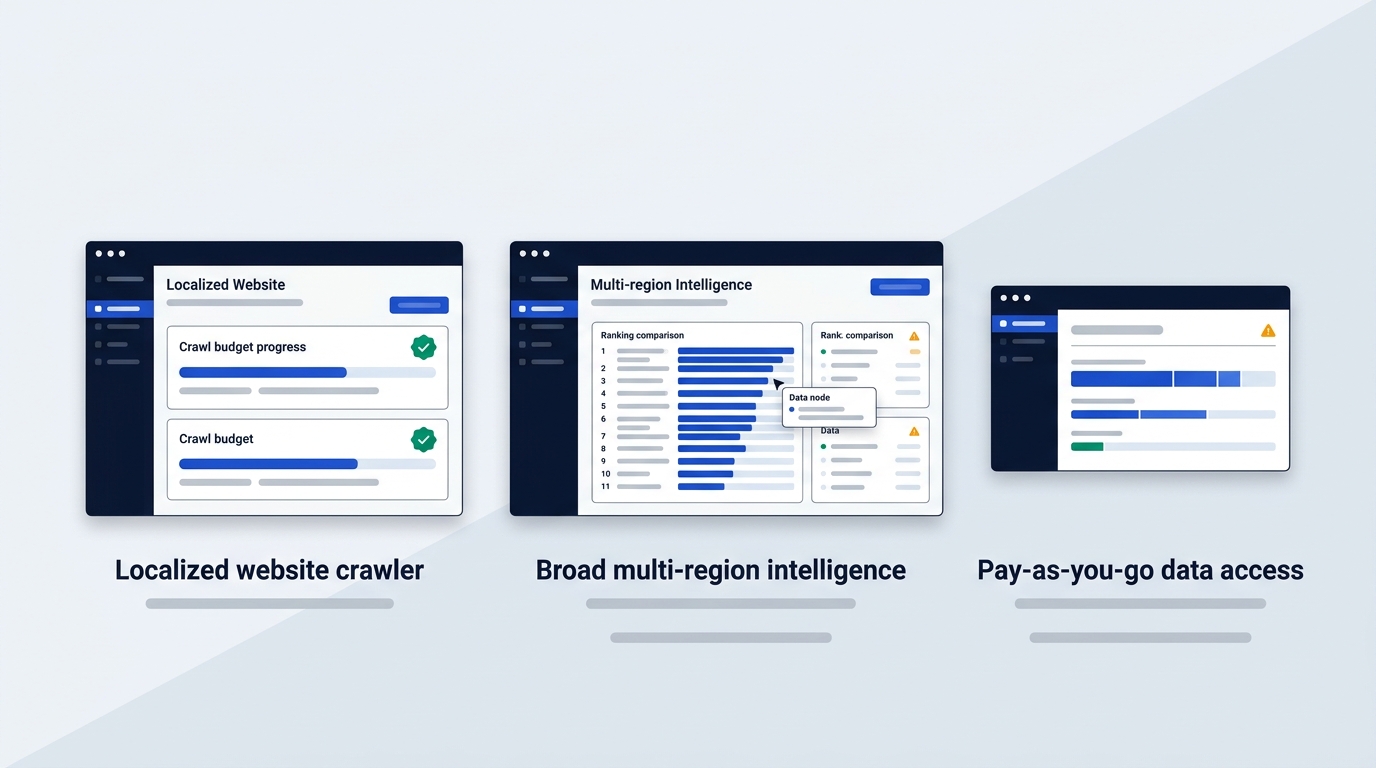
The Semrush vs Moz question is really about your setup. Here are four situations and the tool that fits each.
- One site or a small in-house team. Pick Moz Pro. It crawls 100,000 pages a week on Standard, 500,000 on Medium and 1,250,000 on Large. You also skip ad and social modules you would never open. Picture a French online shop with one domain and a few hundred tracked keywords: Standard's 300 keywords and 3 sites cover it.
- A small agency that needs a predictable bill. Pick Moz Pro. Medium (US$179 a month) gives you 2 seats, 10 sites and 1,500 keywords. Large (US$299) gives you 3 seats, 25 sites and 3,000 keywords, with no per-seat surcharge.
- Multi-country European marketing across organic search and Google Ads. Pick Semrush. It offers historical data back to 2012 and 49+ SERP feature filters, against 16 for Moz. That said, Semrush lists historical SEO data from the Pro+ plan (US$299 a month), so the cheaper plans do not include it.
- A team that works through AI agents. Pick Semrush. Its MCP access lets you pull live gap analysis into Claude or Cursor, and it comes with the Starter plan at US$199 a month. The AI section below explains how Moz's version differs.
Figures here come from the Moz and Semrush pricing pages (checked October 2026) and Semrush's comparison page (data as of May 2025).
Do you only want raw data and no subscription? Then neither tool is the right shape. DataForSEO sells pay-as-you-go access with a one-time US$50 minimum top-up, according to its pricing page (checked October 2026). Our DataForSEO page has the details, and the Semrush alternatives guide covers other routes.
Keyword Index and Backlink Analysis Compared
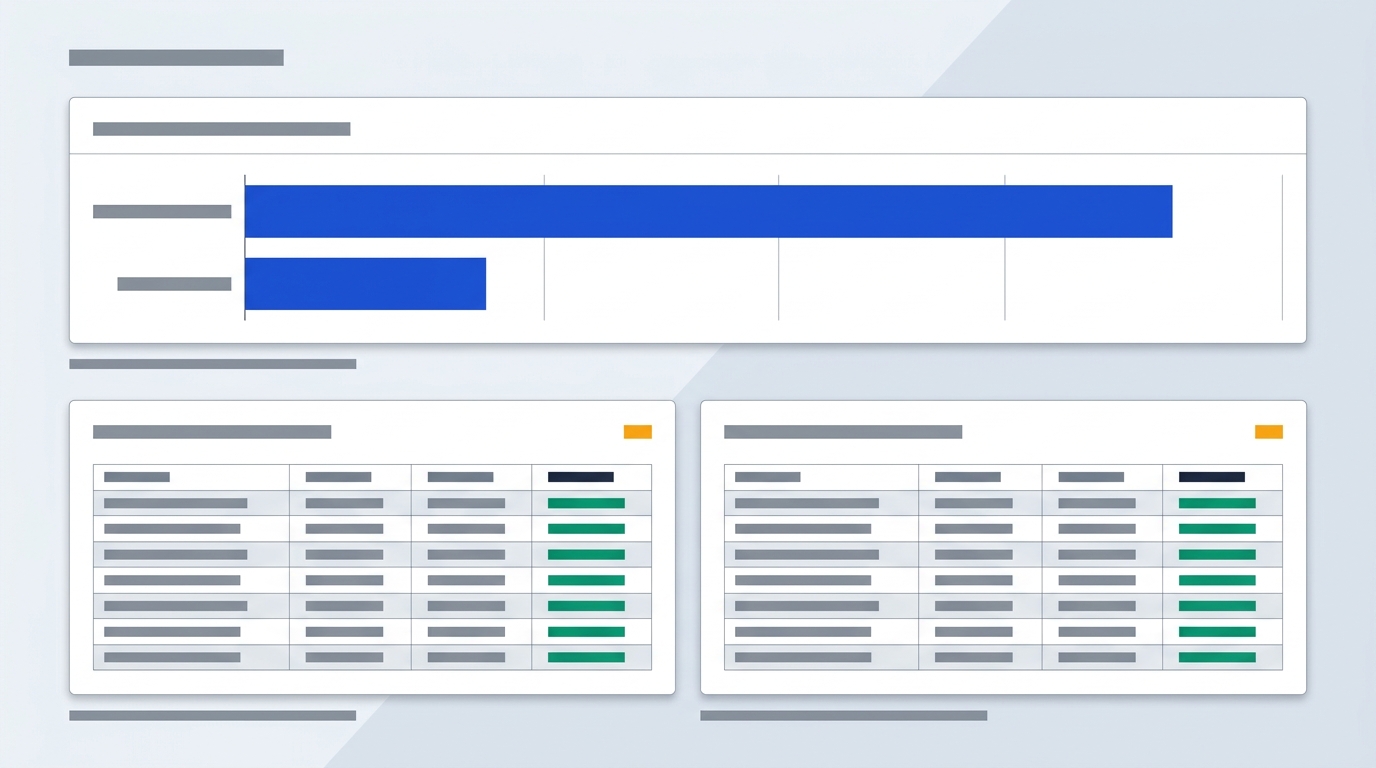
In a Semrush vs Moz comparison of data depth, Semrush wins on keywords by a wide margin. The gap matters most for long-tail and local European queries. The backlink picture is closer than you might expect.
| Metric | Semrush | Moz Pro |
|---|---|---|
| Keyword database | 26.7 billion | 1.25 billion |
| SERP features analysed | 49+ | 16 |
| Historical data | Back to 2012 | Up to five years |
| Backlink database | 43 trillion links | 45.5 trillion links |
Source: Semrush's own comparison page, data as of May 2025. These are figures Semrush publishes about both tools.
Oneupweb makes the practical point. A smaller index means Moz is less likely to track low-volume, local or niche keywords. If your business sells in a narrow Italian or Spanish niche, run your own terms through each trial before you decide.
Authority scores
Moz is known for Domain Authority, Page Authority and Brand Authority. Brand Authority draws on data from the US, UK, Canada and Australia, according to Style Factory. For a brand selling in France, Spain or Italy, it tells you less.
Semrush uses its own Authority Score, plus Personal Keyword Difficulty, a difficulty figure personalised to your site.
Links and competitor intelligence
Moz reports the larger link index, so index size alone is no reason to pick Semrush. The difference is workflow. Semrush includes link outreach management in a dedicated tool, and Style Factory rates its backlink analysis and link-building tools as stronger overall.
Competitor traffic is the other gap. Semrush estimates it, though Style Factory's reviewer found the figures less accurate for small sites, so read them as trends. Moz offers intent data only inside its Keyword Suggestions tool. If traffic estimates are your main reason to buy, our Similarweb vs Semrush comparison shows another route.
AI Search Visibility and MCP Integrations
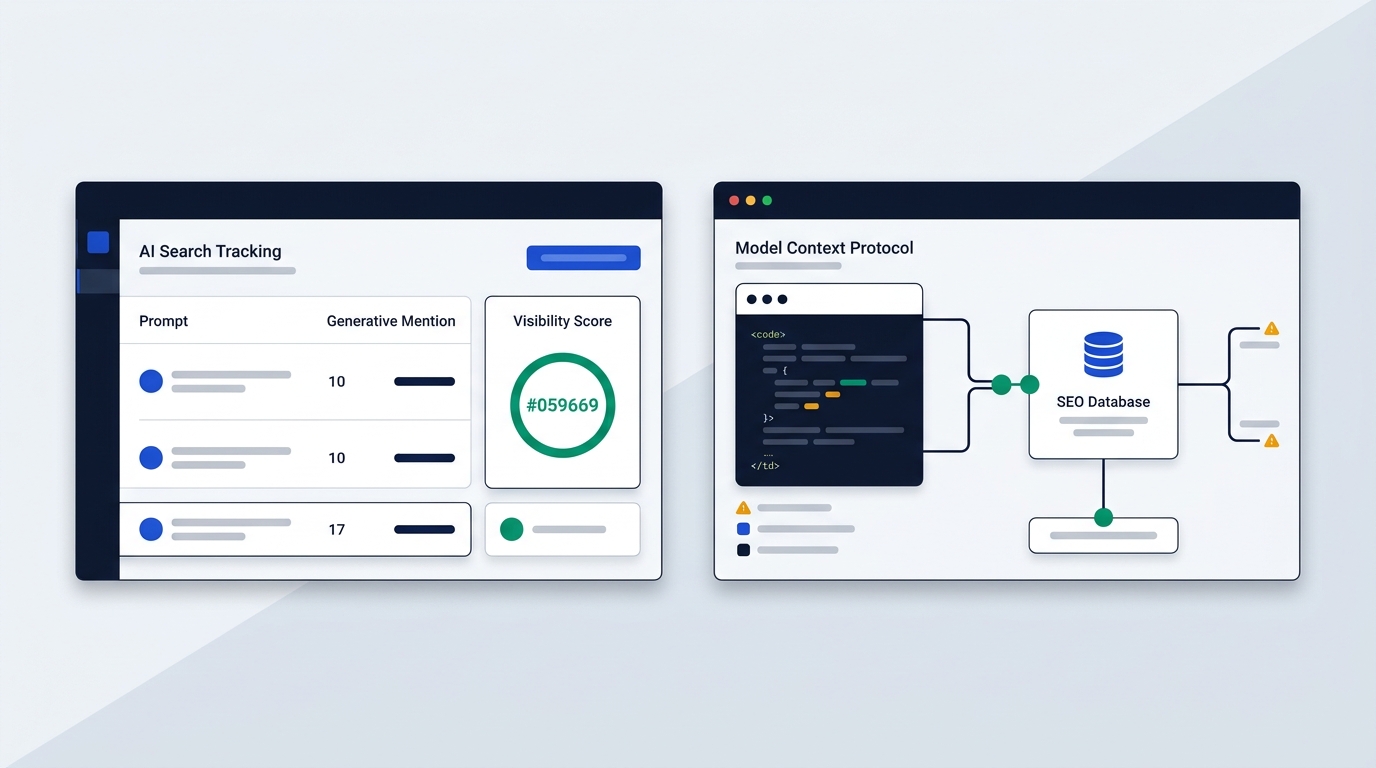
Moz Pro builds AI prompt tracking into every plan, while Semrush tracks prompts daily and folds AI data into its domain reports. In a Semrush vs Moz decision on AI, the right pick depends on how many prompts you need and how often you want them checked.
Moz Pro AI quotas
- Standard: 3 AI visibility dashboards and 150 tracked prompts.
- Medium: 6 dashboards and 300 prompts.
- Large: 12 dashboards and 600 prompts.
All three plans track GPT, Gemini and Google AI Mode, with weekly prompt tracking. Extra prompts cost US$50 per 100, and extra dashboards cost US$20 each.
Semrush AI quotas
Semrush's SEO plan (US$139) includes AI search performance and sentiment monitoring. Starter (US$199) tracks 50 AI prompts daily for one domain and gives you 300 AI visibility reports a day. Pro+ (US$299) tracks 100 prompts daily, and Advanced (US$549) tracks 200.
Daily and weekly checks make the prompt counts hard to compare like for like. Style Factory adds that Semrush shows an AI Visibility score, AI mentions and cited pages right inside Domain Overview. Moz keeps that data in its separate AI Research tools.
One correction is useful here. Semrush's comparison page (May 2025) describes Moz as limited to Google AI Overviews. Moz's current pricing page lists GPT, Gemini and Google AI Mode, so the older claim no longer matches.
MCP access
MCP lets an AI assistant query live SEO data. According to WPBeginner's 2026 comparison, you connect Semrush by typing @Semrush in ChatGPT, Claude or Perplexity. Developers can use Cursor, VS Code or the Gemini CLI with an API key. Command-line tools such as Claude Code consume your account's API units.
Moz's MCP endpoints are still in Beta, and only the main account owner can use them. Team members on seats are shut out. You also need a Moz Data API or Moz Local subscription on top of your plan, so for a group of three, that is a real limit.
Plans, Seat Math, and Total Cost
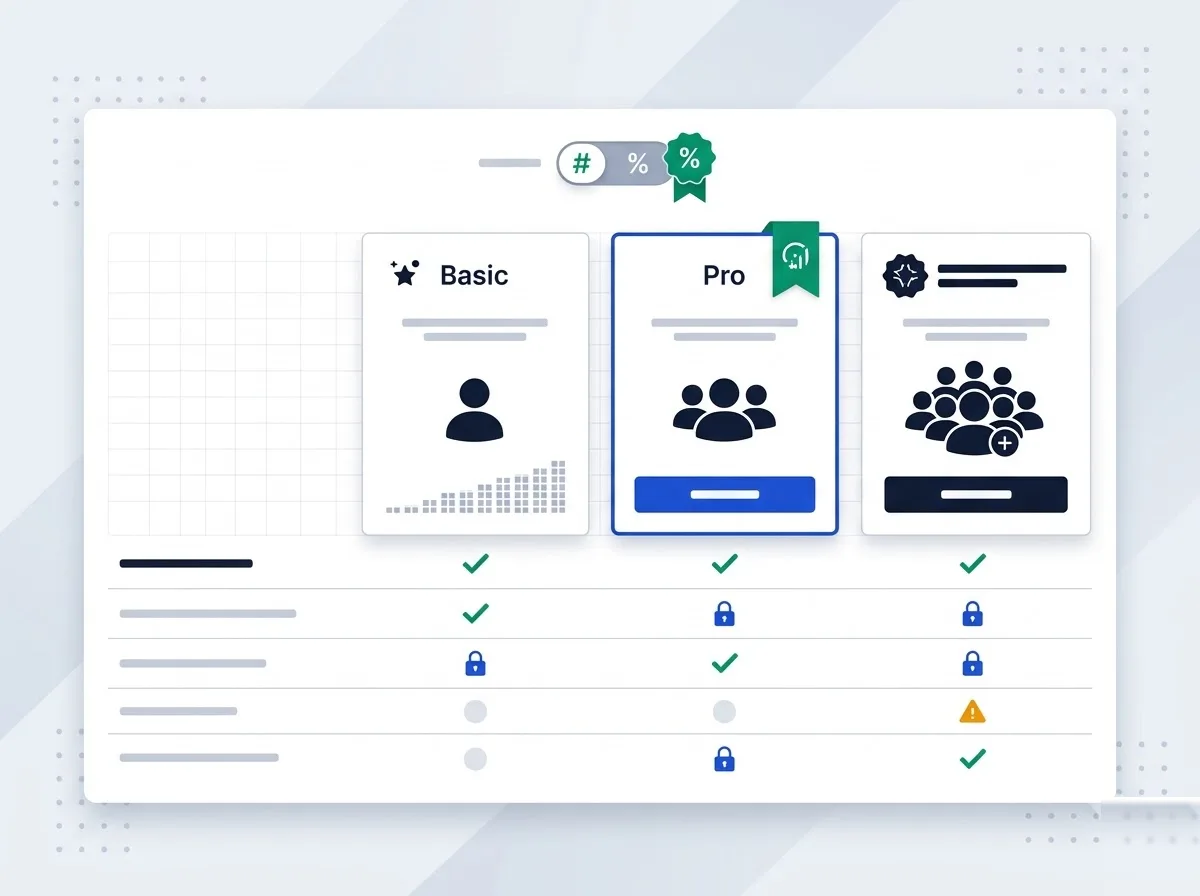
Moz Pro starts at US$49 a month and Semrush at US$139, but seats and add-ons decide your real bill. All prices below are in US$, before VAT.
Moz Pro plans
- Starter: US$49 a month, for one website.
- Standard: US$99 monthly, or US$79 a month when paid yearly. 1 seat, 3 sites, 300 keywords.
- Medium: US$179 monthly, or US$143 a month yearly. 2 seats, 10 sites, 1,500 keywords.
- Large: US$299 monthly, or US$239 a month yearly. 3 seats, 25 sites, 3,000 keywords.
Semrush plans
- Free: 1 demo project and 10 reports a day.
- SEO: US$139 monthly, or US$117.33 a month yearly. 5 websites, 500 keywords tracked daily.
- Starter: US$199 monthly, or US$165.17 a month yearly. Adds MCP access and 50 AI prompts tracked daily.
- Pro+: US$299 monthly, or US$248.17 a month yearly. 15 websites, 1,500 keywords tracked daily.
- Advanced: US$549 monthly, or US$455.67 a month yearly. 40 websites, 5,000 keywords tracked daily.
Current plans and offers are on our Semrush page.
Seats and trials
Take an agency that needs three logins. Moz Pro's Large plan includes all three seats at US$299 a month, or US$239 a month billed yearly. On Semrush, Oneupweb's comparison says each extra user costs more, so the total climbs above the plan price. Style Factory also finds Moz more flexible on users and project allowances, and cheaper for API access. It rates Semrush higher on reporting limits.
For testing, WPBeginner reports a 30-day free trial for Moz Pro, and Moz's pricing page offers it on the Medium plan. Semrush gives you a permanent free plan and a 7-day free trial, with cancellation at any time.
GDPR Compliance and EU Business Billing

Semrush publishes a customer data processing agreement. The Moz sources behind this comparison include no DPA and no data-location terms. If your legal team needs a processor contract before purchase, that difference matters.
Semrush Inc. is a Delaware corporation with its principal place of business in Boston, according to its terms of service (checked October 2026). Its DPA names Semrush as processor and incorporates the EU Standard Contractual Clauses (Decision 2021/914). It also includes a UK transfer mechanism, and the Clauses are governed by Czech law.
Both vendors list prices in US$, so you are comparing dollar figures, not euros. The numbers in this article exclude VAT.
Technical Site Audits and Daily Usability
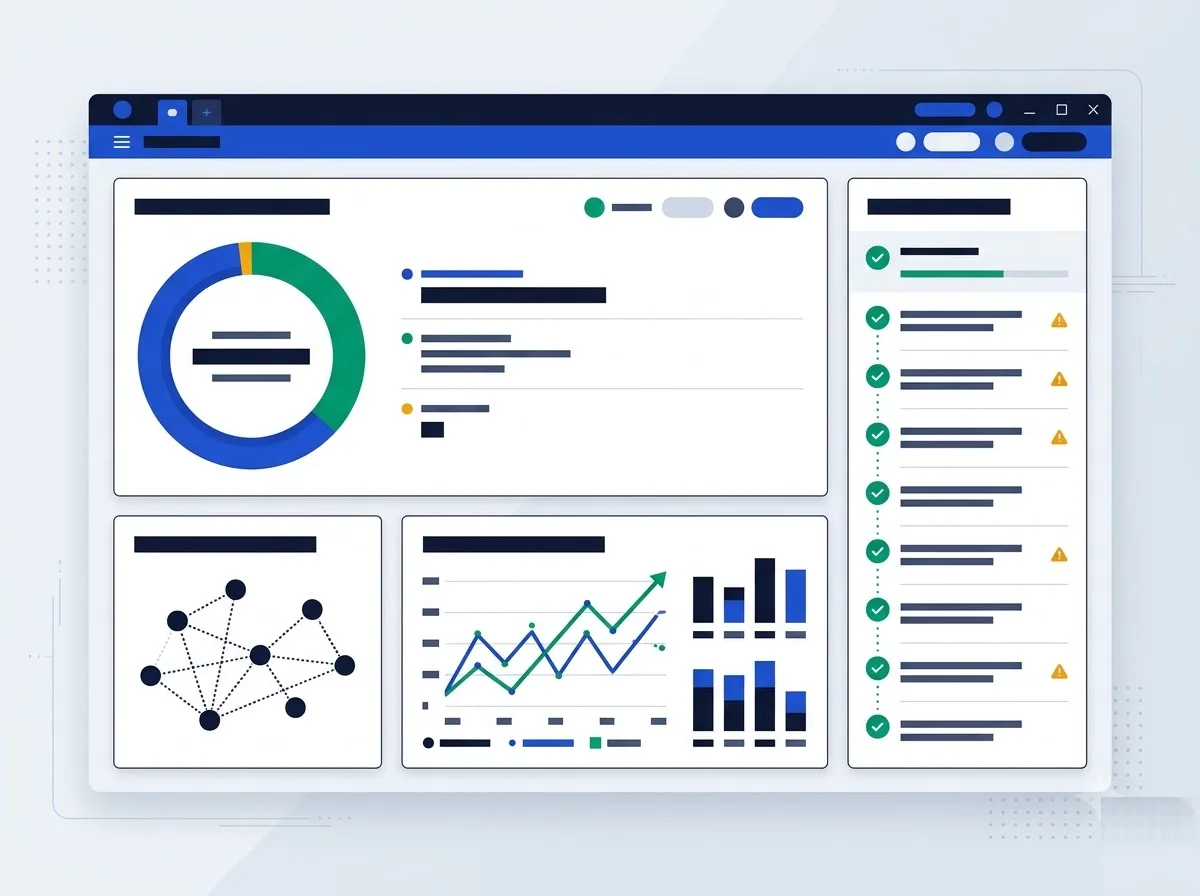
Moz Pro gives you bigger crawl quotas at lower prices, while Semrush's audit goes deeper on technical diagnostics. The daily experience differs too.
Crawl limits and audit depth
Moz Pro crawls 100,000 pages a week on Standard, 500,000 on Medium and 1,250,000 on Large. On-demand crawls rise from 5 to 30 to 60, and site re-crawls start at 10 on Medium and 25 on Large. Style Factory confirms that Moz is more generous on crawl limits at lower tiers. Source for the quotas: Moz's pricing page, checked October 2026.
Semrush's audit covers JavaScript rendering, Core Web Vitals and log file analysis, according to its comparison page. WPBeginner adds that JavaScript rendering sits on the higher plans. Moz's Site Crawl sorts issues into clear action items, but WPBeginner says you may want deeper diagnostics as your needs grow.
Beyond SEO
Semrush adds competitor ad campaign analysis, PLA research, social analytics and post scheduling. Moz Pro's pricing page lists none of these. However, WPBeginner warns that some Semrush modules are standalone paid add-ons, so the all-in-one label does not put every module in the base price.
Learning curve
Moz suits beginners. WPBeginner describes onboarding flows that walk you through your first campaign, and Moz's own page points to Moz Academy and Whiteboard Friday videos. Semrush has more to learn. WPBeginner says new users find the navigation overwhelming, though sticking to the core SEO dashboard makes it easier, and Semrush Academy offers free training.
So if a small team will use only a fraction of the features, Moz Pro is the easier fit. If you will use the ads, content and social tools, Semrush earns its higher price. You can browse more options under SEO and content tools.
Which one to pick
If you run one site on a budget, Moz Pro is the simpler buy. If you need ads, social and AI coverage under one login, Semrush earns its higher price. Agencies with several logins should run the seat math before choosing either.
Whatever your situation, start with the guide to when to pick Moz or Semrush and match it against your own site count and seats.