

















Compare Perplexity vs Claude on pricing, real-time research, coding, context windows, and European GDPR compliance to pick the right AI tool.
Perplexity and Claude are both powerful AI tools, but they excel in different areas. Choosing the right one depends on your specific business needs for research, writing, or coding, alongside pricing and data security considerations for Europe.
TL;DR verdict: Perplexity is an AI research tool built for real-time web discovery with citations. Claude by Anthropic is an AI writing assistant and reasoning engine tailored for synthesis, coding, and long context tasks. If your primary goal is to gather up-to-the-minute, cited information from the web, Perplexity is likely your best bet. However, if you need an AI to deeply analyze large documents, generate coherent long-form text, or assist with complex coding, Claude offers superior capabilities.
Perplexity vs Claude at a Glance
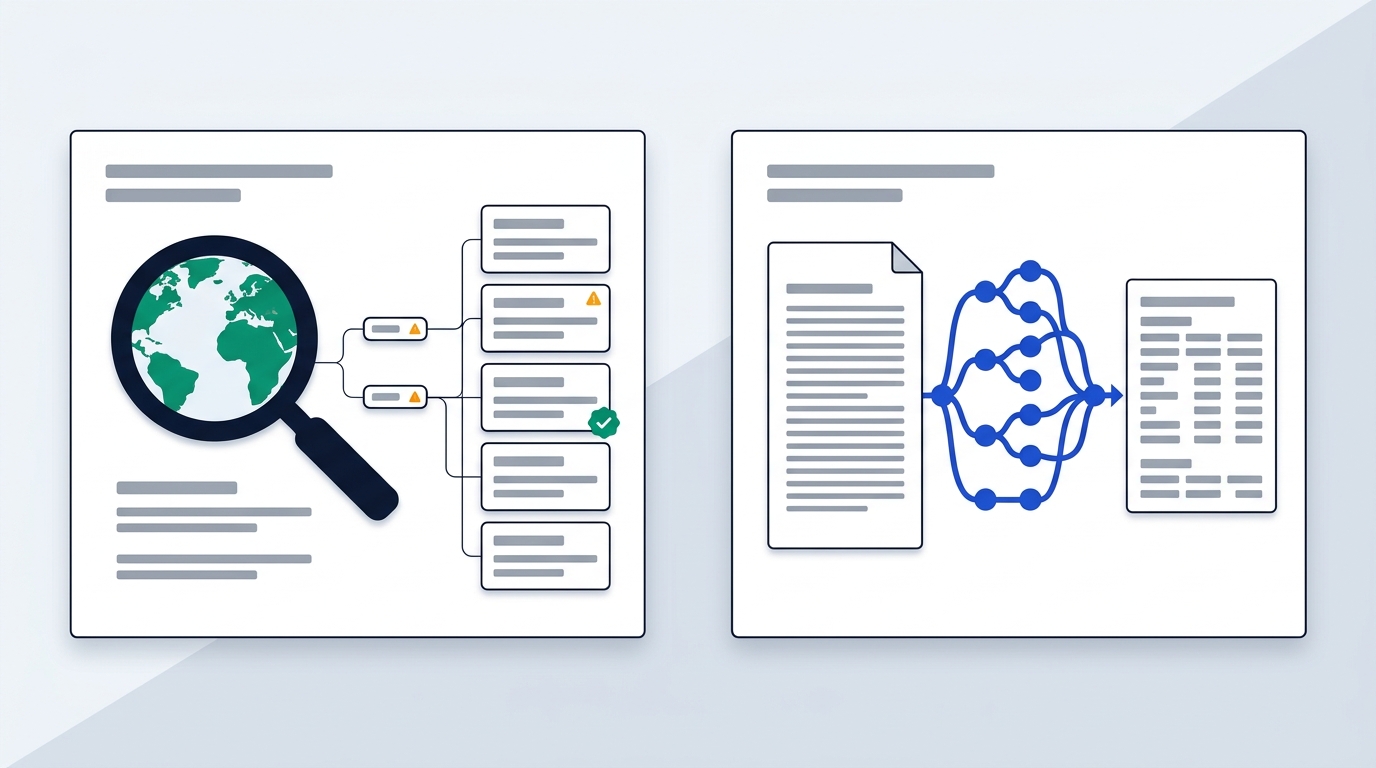
When you compare Perplexity vs Claude, the core difference lies in their fundamental architecture and purpose. Perplexity operates more like a sophisticated search engine, focusing on real-time information retrieval and citation. Claude, on the other hand, is a deep foundational large language model, prioritizing complex reasoning, extensive context handling, and nuanced output.
Market researchers, journalists, and factual fact-checkers needing live citations and multi-model routing across Claude, GPT, and Gemini will find Perplexity highly beneficial. Its strength is in sourcing and summarizing current web information with verifiable links. For a business, this translates to reduced risk of presenting outdated or unsourced information to clients or stakeholders.
Developers using Claude Code, technical writers, and enterprises requiring nuanced reasoning, safe data handling, and large document ingestion will gravitate towards Claude. It is built for tasks that demand deep understanding and coherent, extensive output. Its capabilities ensure outputs are not just plausible but coherent and contextually rich, especially for internal data processing or creative generation.
The architectural contrast is clear: Perplexity's strength is search engine retrieval, finding and summarizing information from the web. Claude's strength is deep foundational large language model comparison, interpreting and expanding on provided text or data. This distinction dictates their best use cases. Perplexity is excellent for tasks where current, verifiable external data is paramount. Claude excels in internal data processing and creative generation.
| Feature | Perplexity | Claude |
|---|---|---|
| Primary Use | Real-time web research, citations, multi-model search | Long-form writing, coding, deep reasoning, large context |
| Free Plan | Limited searches, basic AI models, cited answers | Sonnet & Haiku models, limited usage (5-hour/weekly caps), web search, Artifacts, Code execution |
| Pro Plan Price (annual) | US$17/month | US$17/month |
| Pro Plan Models | Top AI models (GPT, Claude, Gemini), Deep Research | Opus, Sonnet, Haiku, Projects, Claude Code, Microsoft 365 integrations |
| Max Plan Price | US$167/month (annual) | US$100/month (Claude Max), US$200/month (Claude Ultra) |
| Context Window | — | Up to 1M tokens (varies by model) |
| Integrations | 400+ app connectors, custom MCP integrations | Microsoft 365, GitHub, GitLab (via Claude Code) |
| Data Hosting | United States | United States |
| Model Training | Opt-out | None by default on commercial/API data |
When to Choose Perplexity or Claude
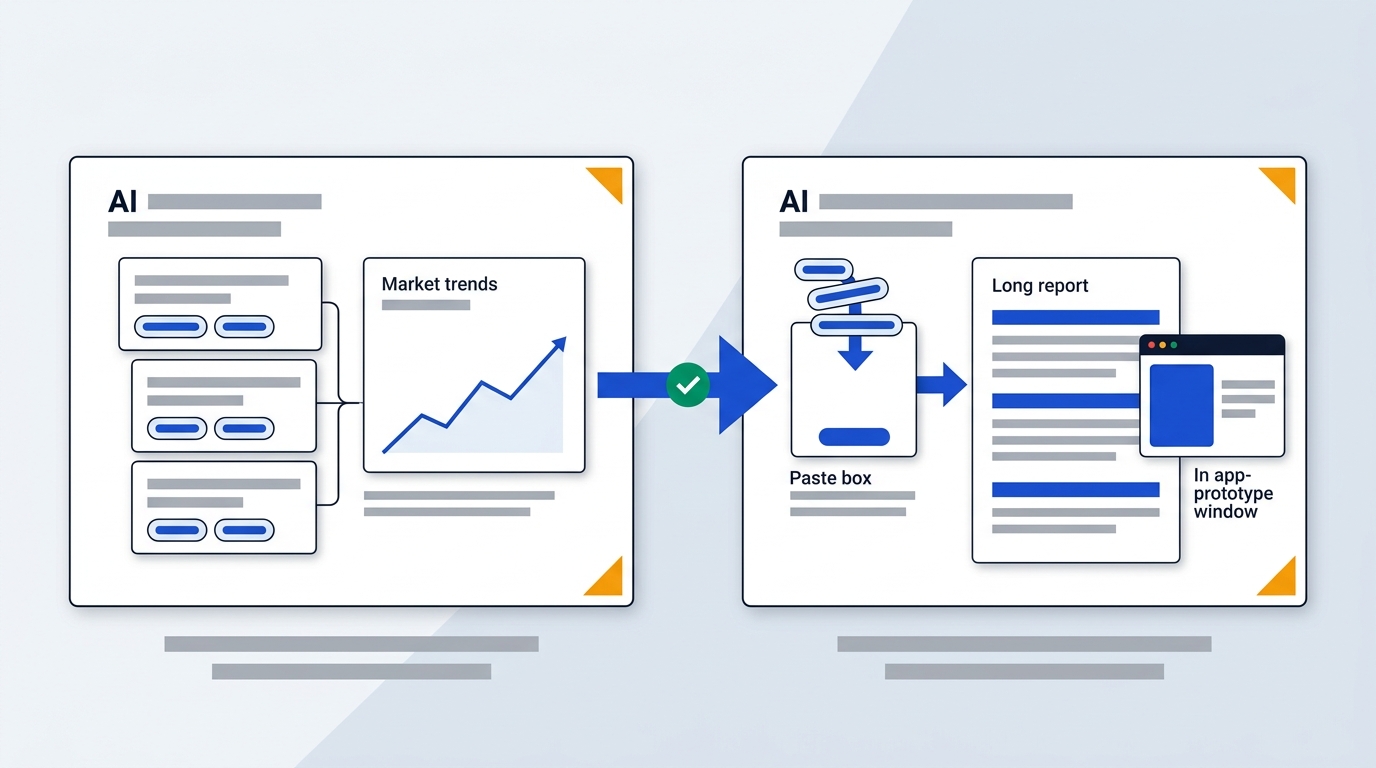
Your choice between Perplexity and Claude should align directly with your primary workflow. Each tool is optimized for distinct tasks, making them complementary rather than direct replacements.
Choose Perplexity when your priority is speed, content freshness, and verifiable sources. It is ideal for gathering breaking news, tracking competitor moves, or performing financial data lookups via integrated premium databases like Statista or PitchBook. Its Deep Research feature can scan hundreds of web pages simultaneously, providing comprehensive reports with citations. This is crucial for competitive intelligence, market trend identification, or quick fact-checking for presentations.
Opt for Claude when you need a thinking partner for complex tasks. It excels at refactoring large codebases, writing complex reports that require narrative flow across 1,500+ words, and using Artifacts for interactive application prototypes. Claude's strength lies in maintaining thematic consistency and structural coherence over long texts. This is vital for legal analysis, technical documentation, or drafting comprehensive strategic plans.
The hybrid workflow often proves most effective for businesses. You can use Perplexity as the sourcing engine to collect verified links and current information. Then, paste those raw findings into Claude for deep analysis, synthesis, and structured document formatting. This combination leverages the strengths of both tools, allowing for both broad information gathering and in-depth content creation.
Picture a small consultancy that sends a monthly market briefing to clients. Start in Perplexity: run a Deep Research query on the topic and keep the cited links. Then open a Claude Project, paste in the findings, and ask for the draft. Projects are available on every Claude plan (up to 5 on Free), so the same briefing template can be reused each month.
Team operational pitfalls can arise from picking the wrong tool. Relying on Perplexity for end-to-end coding tasks or depending on Claude without its web search for fast-moving current events will lead to inefficiencies. For instance, using Perplexity for a 500-word internal policy document might result in manually stitching together various snippets. Conversely, relying solely on Claude for live market insights could lead to decisions based on outdated information. Understanding each tool's core capability prevents wasted effort. When evaluating, consider a typical week's worth of AI tasks: how many involve "finding and citing" versus "analyzing and creating"?
Research and Real-Time Web Search
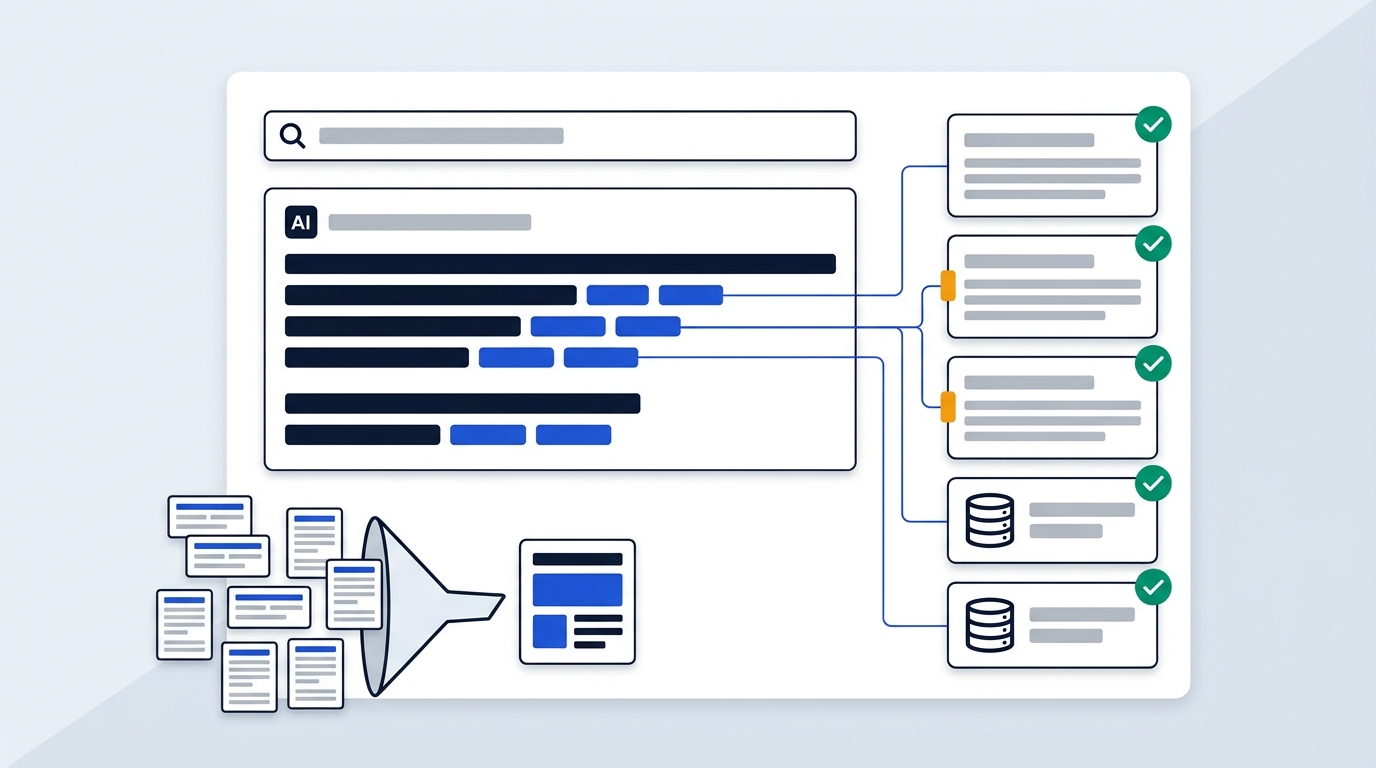
For businesses heavily reliant on up-to-date information, research and real-time web search capabilities are critical. This is where Perplexity traditionally shines, though Claude has significantly enhanced its offerings.
Perplexity delivers live web search on every query, providing traceable inline citations. Its Deep Research reports scour dozens of sources simultaneously, comparing data, flagging contradictions, and producing structured reports. This makes it a powerful tool for comprehensive, evidence-based information gathering. This strength minimizes the risk of presenting outdated or unsourced information.
Perplexity Pro and Max plans integrate premium databases such as PitchBook, Statista, and S&P Capital IQ. This access to specialized financial and market intelligence data significantly enhances its value for specific research needs. For market analysts or finance professionals, this means direct access to crucial industry data without needing separate subscriptions.
Anthropic now includes web search across its free, Pro (US$20/month), and Enterprise tiers. This makes Claude a much more versatile research tool than before. However, API searches add a specific cost of US$10 per 1,000 queries. While improved, Claude's web access is an enhancement to its reasoning capabilities, not its primary function for broad, immediate fact-finding.
Perplexity consistently delivers precise recent local news with sources. It excels at finding what happened yesterday or what a competitor announced last week. Claude, while now having web access, prioritizes synthesizing provided text rather than broad indexing. For questions requiring immediate, current factual answers with clear sources, Perplexity still has an edge. For businesses, real-time data is crucial for competitive intelligence, financial reporting, and staying abreast of regulatory changes. Perplexity's citation mechanism also provides a crucial audit trail, strengthening credibility for presentations or reports.
Writing, Reasoning, and Coding Capabilities
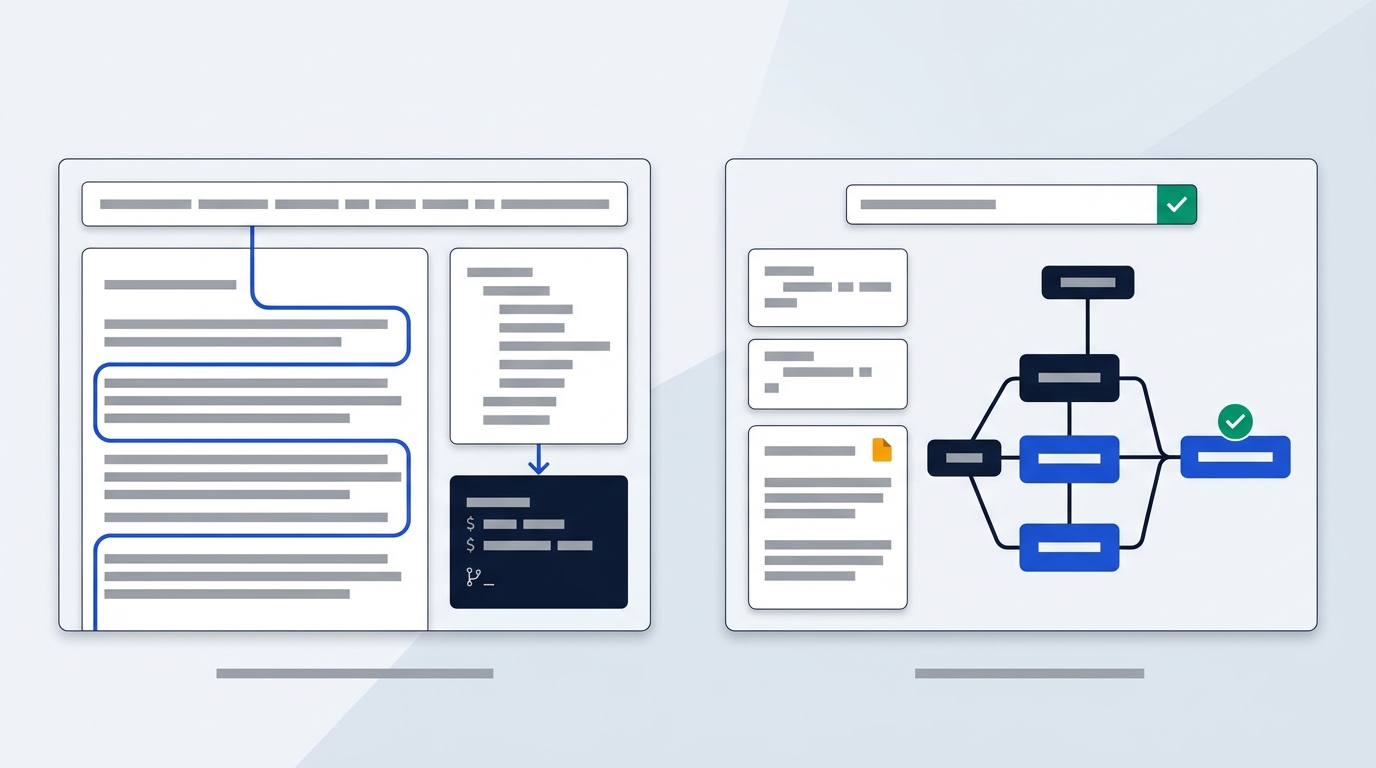
When it comes to generating coherent long-form content, deep reasoning, and solid coding assistance, Claude offers a distinct advantage due to its underlying architecture.
Claude maintains thematic flow and structural consistency over long texts. Its architectural emphasis on reasoning depth allows it to track arguments across paragraphs, build on earlier statements, and produce outputs that hold together as a whole. This is crucial for complex reports, articles exceeding 1,500 words, or detailed analyses. This capability is invaluable for creating detailed legal briefs, comprehensive technical manuals, extensive grant proposals, or multi-chapter e-books, ensuring a professional voice and logical progression.
Claude supports an impressive context window of up to 1M tokens, depending on the model. This allows it to process hundreds of pages of documentation or entire codebases in a single session without losing context. This capability is invaluable for legal work, academic research, and large-scale development projects, where a holistic view of large datasets or code is essential. It significantly reduces the need to break down large tasks, saving human effort.
Claude Code offers a comprehensive suite for developers. It features agentic command-line execution, smooth GitHub and GitLab integration, and sandboxed Python code execution. While 50 free hours of usage are provided daily per organization, additional hours are billed at US$0.05 per hour per container. This makes Claude a capable coding assistant that understands and refactors large codebases effectively. It excels in scenarios like debugging complex, multi-file applications or generating idiomatic code with clear explanations.
Which AI is better for coding tasks?
Perplexity Pro offers access to Claude Sonnet and GPT models for technical snippets and debugging explanations. Its Max plan features Perplexity Computer, which coordinates multiple AI models with automated task routing, making it useful for more complex coding workflows. While Perplexity can assist with coding research and snippets, such as finding documentation, Claude is the clearer choice for serious development work due to its integrated, agentic coding support and ability to understand entire codebases.
Pricing Plans and Usage Limits Compared
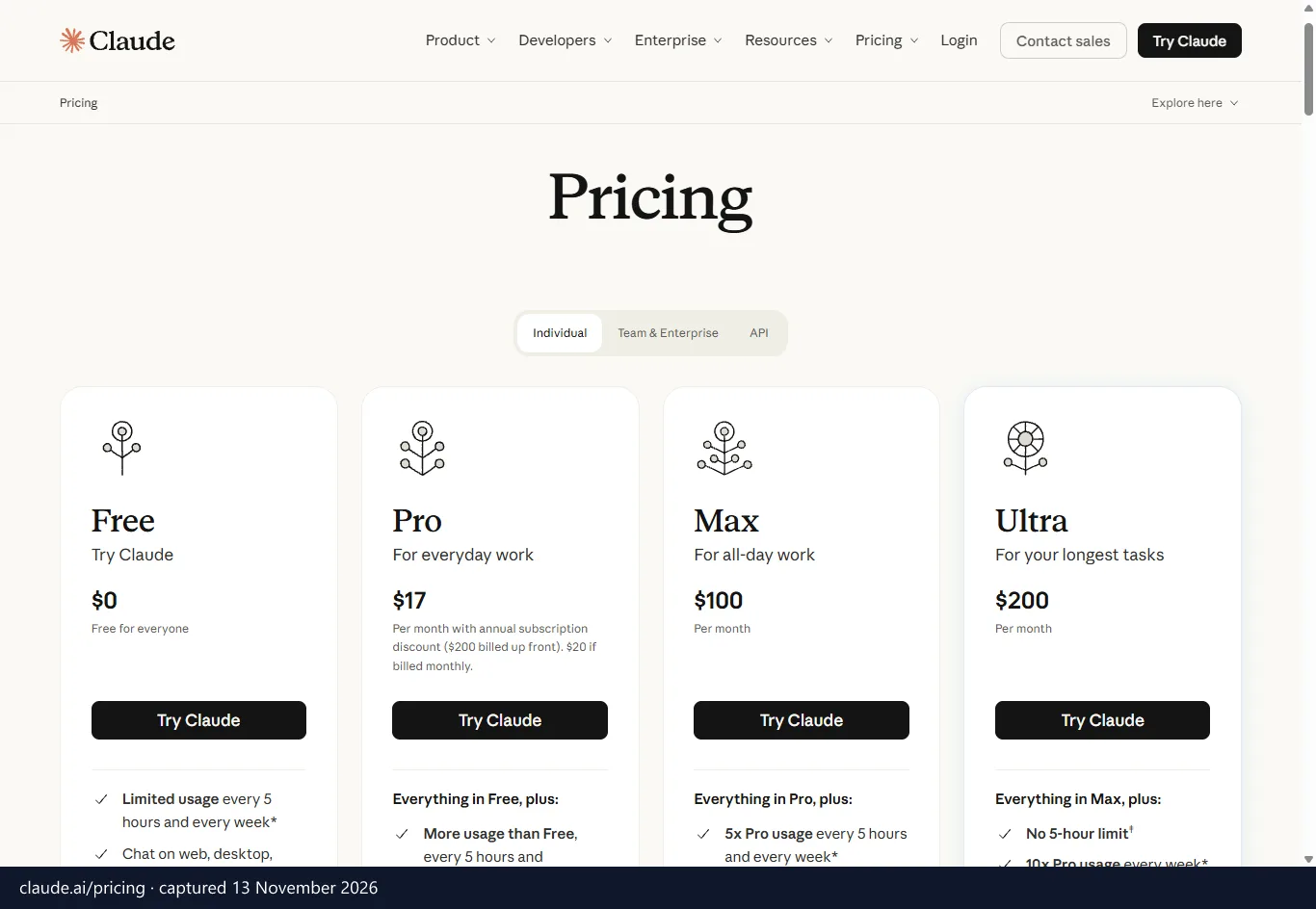
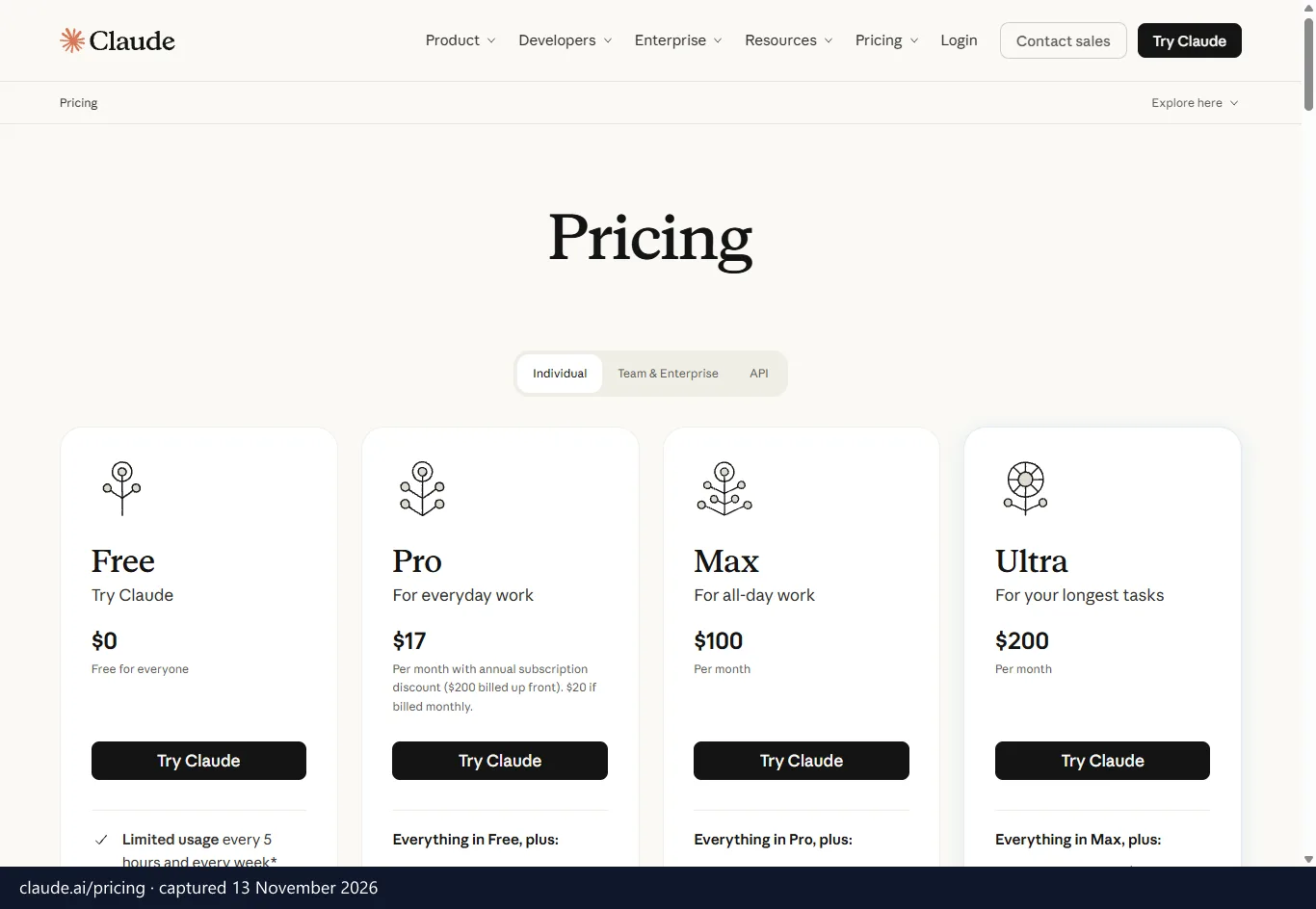
Understanding the pricing structures and usage limits for both Perplexity and Claude is essential for budgeting and selecting the right plan for your business needs.
Free Tier Comparison
Perplexity Free offers basic AI models with limited searches, providing cited answers for simple questions. It's suitable for individual professionals or small teams with occasional, simple research needs, but quickly hits limits for sustained work.
Claude Free gives you access to Sonnet and Haiku models, with rolling 5-hour and weekly message caps. It also includes features like Artifacts, Docs, web search, and the ability to create and run code in a sandboxed environment. This is excellent for individuals to explore Claude's conversational and creative capabilities, particularly for short writing tasks.
Pro Tier Economics
Perplexity Pro costs US$17/month when billed annually (or US$20 monthly). This plan includes expanded Computer access, 4,000 bonus credits, Deep Research, access to top AI models (including Claude Sonnet, GPT, Gemini), and higher usage limits. This is the sweet spot for many small to medium-sized businesses and power users, offering a compelling multi-model strategy for competitive analysis and market research.
Claude Pro costs US$17/month when billed annually (US$200 upfront) or US$20 monthly. It unlocks more usage than the free plan, priority access to Opus, Projects for persistent memory, and features like Claude Code, Claude Data, and Microsoft 365 integrations. This tier is a significant step up for individuals or small teams needing more substantial usage for writing, coding, or document analysis, making Claude an "everyday work" companion.
With the headline price identical, the decision comes down to what sits inside the plan. Perplexity Pro lets you pick a preferred model for each query and adds Model Council, which suits people who want to compare answers. Claude Pro adds Research, the option to hand off and schedule tasks, and Claude in Chrome. Note that the Fable model on Claude Pro is paid for with usage credits, so it is not part of the flat fee.
High-Tier and Power-User Plans
Perplexity Max is priced at US$167/month when billed annually (or US$200 monthly). It offers maximum Computer usage, 35,000 bonus credits, 10,000 monthly Computer credits, and access to frontier AI models for expert-level research. This plan is designed for businesses with heavy, sustained research demands, such as R&D departments or large analytics teams requiring extensive data processing.
Claude Max costs US$100/month, providing 5x Pro usage and US$100 a month in API credits. It targets power users needing heavy agentic coding and extended usage. The API credits signal a move towards integrating Claude into custom applications or automated workflows.
Claude Ultra is US$200/month, removing the 5-hour limit for verified accounts and offering 10x Pro usage, along with US$200 a month in API credits. This tier is for the most demanding users and "longest tasks" where continuous, high-volume AI interaction is essential, like large-scale content generation or extensive codebase analysis.
| Feature | Perplexity Free | Perplexity Pro | Perplexity Max |
|---|---|---|---|
| Price | US$0/month | US$17/month (annually), US$20/month (monthly) | US$167/month (annually), US$200/month (monthly) |
| AI Models | Basic AI models | Top AI models (GPT, Claude, Gemini) | Frontier AI models, advanced reasoning |
| Computer Access | — | Expanded | Maximum (10,000 monthly credits) |
| Deep Research | No | Yes | Expert level |
| Bonus Credits | — | 4,000 | 35,000 |
| Premium Data Sources | No | Yes (PitchBook, Statista) | Yes (PitchBook, Statista, S&P Capital IQ) |
| App Connectors | No | 400+ | 400+ |
| Feature | Claude Free | Claude Pro | Claude Max | Claude Ultra |
|---|---|---|---|---|
| Price | US$0/month | US$17/month (annually), US$20/month (monthly) | US$100/month | US$200/month |
| AI Models | Sonnet, Haiku | Opus, Sonnet, Haiku | Opus, Sonnet, Haiku | Opus, Sonnet, Haiku |
| Usage Limits | Limited (5-hour/weekly caps) | 1x more than Free | 5x Pro usage | No 5-hour limit, 10x Pro usage |
| API Credits | No | No | US$100/month | US$200/month |
| Claude Code | No | Yes | Yes | Yes |
| Artifacts, Docs, Design, Slides | Yes | Yes | Yes | Yes |
| Projects | Up to 5 | Yes | Yes | Yes |
| Web Search | Yes | Yes | Yes | Yes |
Team and Enterprise Seats
Claude Team offers Standard seats at US$20/seat/month when billed annually (US$25 monthly) for 2 to 150 seats. Premium seats are US$100/seat/month (billed annually), offering 5x more usage. Team plans include all Claude features, Claude Code, Claude Cowork, central billing, SSO, and up to US$500 per month in pooled API credits. This plan is designed for collaborative environments where multiple users need consistent, high-volume access and shared project spaces.
Claude Enterprise starts at US$20/seat/month, billed annually, with a 20-seat minimum, plus API consumption. It includes all Team plan features, along with advanced admin controls, role-based access, audit logs, custom data retention, and HIPAA-ready offerings. This tier is for large businesses operating at scale, requiring maximum security, compliance, and custom deployment options.
Seat types can be mixed, so you do not have to buy Premium for everyone. A practical approach is to give Standard seats to occasional users and Premium seats only to the people who hit limits, such as developers running Claude Code all day. Adding seats midterm is supported on Team and Enterprise.
Check the admin side before you commit. Team has SSO and central billing, but role-based access, SCIM and audit logs start at Enterprise. For payment, Team accepts credit card only, ACH arrives with self-serve Enterprise, and invoicing with net terms is limited to sales-assisted Enterprise. If your finance team needs an invoice, that detail may decide the tier for you.
Usage limits directly impact operational efficiency and cost predictability. Hitting a limit means work stops or slows down, leading to delays. Businesses must assess their peak usage times and total weekly AI interaction to avoid bottlenecks. Opting for a higher tier with generous limits, or API access, provides more predictable costs and uninterrupted workflows. The inclusion of monthly API credits in Claude's Max and Ultra plans, and pooled API credits in Claude Team, reflects a shift towards programmatic use, allowing businesses to integrate Claude's models directly into their own applications or automated scripts for greater flexibility and control.
Productivity Features and Workflow Tools
Both Perplexity and Claude offer a range of features designed to enhance productivity, but they approach workflow integration from different angles.
Claude provides a comprehensive set of built-in productivity modules. These include Artifacts for interactive application prototypes, Claude Data, Claude Sheets, Whiteboards (currently in beta), Slides, and Docs. It also integrates with Microsoft 365, allowing for a more cohesive workflow within common business environments. For a business, this means a more integrated AI environment where ideas can move from concept to draft to interactive prototype smoothly, accelerating project timelines and improving team collaboration.
For advanced users and developers, Claude offers managed agents billed at US$0.08 per session-hour runtime. This agentic capability enables complex, multi-step tasks. Additionally, native prompt caching reduces input costs on models like Opus 5.5, Sonnet 5.5, and Haiku 5.5, optimizing usage for repetitive queries. This translates to substantial time and cost savings for businesses by offloading repetitive or computationally intensive tasks to AI, freeing up human employees for higher-value strategic work.
If you build on the API rather than use the apps, the per-token rates matter. Anthropic's pricing page lists Sonnet 5.5 at US$2 per million input tokens and US$10 per million output tokens, and Haiku 5.5 at US$0.10 input and US$0.50 output for prompts up to 100K tokens. Opus 5.5 is US$4 input and US$20 output. Batch processing saves 50% for work that does not need an immediate answer.
Perplexity boasts over 400 app connectors, allowing it to integrate with a wide array of existing tools. Its Model Council feature is unique, querying multiple frontier models simultaneously and selecting the best response or synthesizing insights. Perplexity also includes Comet Assistant integration, enhancing its utility as a research-first tool. This extensive library of connectors is crucial for businesses that already rely on a diverse software ecosystem, minimizing manual data transfer and ensuring information consistency across platforms.
How do they support team collaboration?
Claude Projects offer persistent knowledge sharing within teams, along with user spend controls for better budget management. Perplexity provides shared collections, enabling users to share research and findings with others. For structured team collaboration on AI-driven tasks, Claude's Project feature provides a more integrated environment. Perplexity's Model Council is a significant innovation for businesses, intelligently routing queries through various AI models to ensure optimal output and saving users time and cognitive load.
One limit to know: on Claude's individual plans (Free, Pro, Max, Ultra), project sharing and collaboration is not included. It arrives with Team and Enterprise. If two colleagues each need the same knowledge base, separate Pro subscriptions will not give you a shared workspace.
European Data Privacy and GDPR Compliance
For businesses operating in Europe, data privacy and GDPR compliance are non-negotiable. Understanding where your data is processed and the vendor's DPA terms is crucial.
Claude data is hosted in the United States, utilizing Amazon Web Services (AWS) and Google Cloud infrastructure. Perplexity also relies on US infrastructure for its data hosting. This means data processed by both tools will be transferred outside the EU. For businesses operating within the European Union, the location of data hosting is a critical compliance concern, primarily due to GDPR and the implications of rulings like Schrems II.
Anthropic provides a Commercial Data Processing Addendum (DPA) that incorporates EU Standard Contractual Clauses (SCCs). By default, Anthropic ensures zero model training on commercial or API data. This commitment is important for businesses concerned about their proprietary data being used to improve the AI models. Perplexity's enterprise compliance transparency requires individual evaluation of enterprise agreements for GDPR data processing addenda and telemetry opt-outs. It is essential for businesses to review these terms directly with Perplexity to ensure alignment with their specific compliance needs. Anthropic's provision of SCCs is a vital mechanism for businesses to legally transfer personal data, helping you meet your GDPR requirements. You can learn more about DPAs in our guide to a Data Processing Addendum (GDPR).
The plan you buy also changes the training default. On Claude's individual plans (Free, Pro, Max, Ultra) model training is opt-out, while Team and Enterprise state no training on your content by default. If staff would otherwise sign up with personal Pro accounts, moving them onto a Team seat is the cleaner way to keep client data out of training.
For EU VAT-registered buyers in Ireland, France, Spain, and Italy, the reverse charge mechanism applies (Directive 2006/112/EC). This means the buyer accounts for the VAT, rather than the vendor charging it upfront. For UK VAT-registered buyers, the UK reverse charge mechanism applies under HMRC VAT Notice 741A. This ensures proper VAT handling for cross-border digital services. Our guide on the VAT Reverse Charge Mechanism provides more details. When adopting AI tools like these, European businesses should review the vendor's DPA, verify model training policies, and conduct a Data Protection Impact Assessment (DPIA) if processing personal data with high risk.
Frequently Asked Questions
Here are some common questions businesses ask when comparing Perplexity and Claude.
Can Perplexity use Claude models?
Yes, Perplexity Pro and Max plans allow users to select Claude models as their primary answering engine. This means you can leverage Claude's reasoning capabilities within Perplexity's research-focused interface.
Does Claude have access to live web search?
Yes, Claude now includes web search across all its plans, including Free, Pro, Max, Ultra, Team, and Enterprise. For enterprise API users, web searches are billed at US$10 per 1,000 searches.
Which tool handles uploaded PDF documents better?
Claude generally provides superior context window handling for complex document synthesis. With support for up to 1M tokens depending on the model, Claude can process hundreds of pages of documentation or codebases in a single session, making it highly effective for in-depth analysis of large PDFs. Perplexity can handle file uploads, but Claude's deep reasoning excels with extensive documents.
Do subscription prices include European VAT?
No, all prices listed by both Perplexity and Anthropic (for Claude) are net of tax. VAT is calculated at checkout based on your location, or handled via the reverse charge mechanism for VAT-registered businesses in Europe.
What is the context window for Claude models?
Claude models (Opus, Sonnet, Haiku, Fable) offer a context window of up to 1M tokens, which can vary by specific model. This allows for processing extensive documents, codebases, or conversational histories within a single interaction, making it ideal for large-scale analysis.
Can Perplexity integrate with existing business software?
Can Perplexity integrate with my existing business applications?
Yes, Perplexity Pro, Max, and Enterprise plans support over 400 prebuilt connectors and custom MCP integrations. This allows it to connect with a wide array of existing business tools, enhancing its utility within your current software stack and reducing manual data transfer.
Does Claude offer any specific features for project management or team collaboration?
Yes, Claude Pro, Max, Ultra, and Team plans include "Projects" for persistent memory across conversations and knowledge sharing within teams. The Team plan also offers "Project sharing and collaboration" and "Spend controls" for better budget management among users, fostering a more integrated collaborative environment.
What is Perplexity Computer, and how does it benefit businesses?
Perplexity Computer, available on Pro and Max plans, coordinates multiple AI models simultaneously, routing subtasks to the best-suited model. For businesses, this means more efficient and accurate completion of complex tasks, especially those requiring deep research and synthesis from various sources. Max subscribers get maximum Computer usage and more monthly credits.
Sources and how this was compiled
Compiled by the SaaSEuro team from the vendors' official documentation; we have not hands-on tested these products. Facts last checked in October 2026.
Source: official vendor pages, checked October 2026.
Which One Should You Pick
Your final choice between Perplexity and Claude should align with your team's primary activities. Both tools offer significant value, but their strengths cater to different workflows.
Pick Perplexity Pro at US$17/month if your daily work involves sourcing breaking news, market intelligence, and citation-backed web answers. Its real-time search and Deep Research capabilities are unmatched for factual information gathering. You can learn more at perplexity.ai.
Pick Claude Pro or Team if your team needs high-volume coding via Claude Code, long document analysis, and native office applications like Artifacts or Claude Sheets. Its deep reasoning and expansive context window are ideal for complex creative and development tasks. Explore Claude's options at claude.ai.
To make the most informed decision, test both free tiers. This will give you a practical sense of their daily usage limits and how well each tool integrates into your existing workflows before you commit to an annual budget. For a dynamic marketing agency that needs to constantly track real-time trends, Perplexity Pro is a solid choice. Conversely, a software development firm or an enterprise legal department analyzing vast amounts of documentation will find Claude Pro or Team invaluable for its deep reasoning and integrated coding tools. The key is to match the AI's core strength to the primary problem you are trying to solve daily.
