













Best Freshdesk Alternatives for Support Teams
Platform Overview and Comparison
Comparing modern helpdesk tools requires looking at intake channels, pricing structures, and trial terms. You can review the core specs of verified options in the table below.| Platform | Starting Price | Base Model | Key Channels | Trial Terms |
|---|---|---|---|---|
| BoldDesk | US$99/month (5 agents) | Agent bundle | Email, Live Chat, Portal | 15-day free trial |
| Deskhero | Per user (3-user min) | Shared inbox | Email, Web Forms, AI Chat | 30-day cardless trial |
| Help Scout | US$50/user/month | Shared inbox | Email, Docs, Beacon Chat | 15-day free trial |
| Zoho Desk | US$4/user/month | Per user | Email, Chat, Social, Phone | 15-day free trial |
| HubSpot Service Hub | US$9/user/month | Per user | Email, Live Chat, Portal | Free tools available |
| Zendesk | US$19/user/month | Per user | Omnichannel Suite | 14-day free trial |
| Intercom | US$29/user/month | Per user + AI usage | In-App Chat, Email | 14-day free trial |
| LiveAgent | US$19/user/month | Per user | Email, Live Chat, Call Center | 14-day free trial |
| UVdesk | US$0 (Open Source) | Self-hosted PHP | Email Piping, Tickets | Free Community Edition |
| User.com | €69/month (yearly) | Tiered platform | Email, Chat, SMS, Web Push | 7-day free trial |
.
Primary Switching Catalysts from Freshdesk
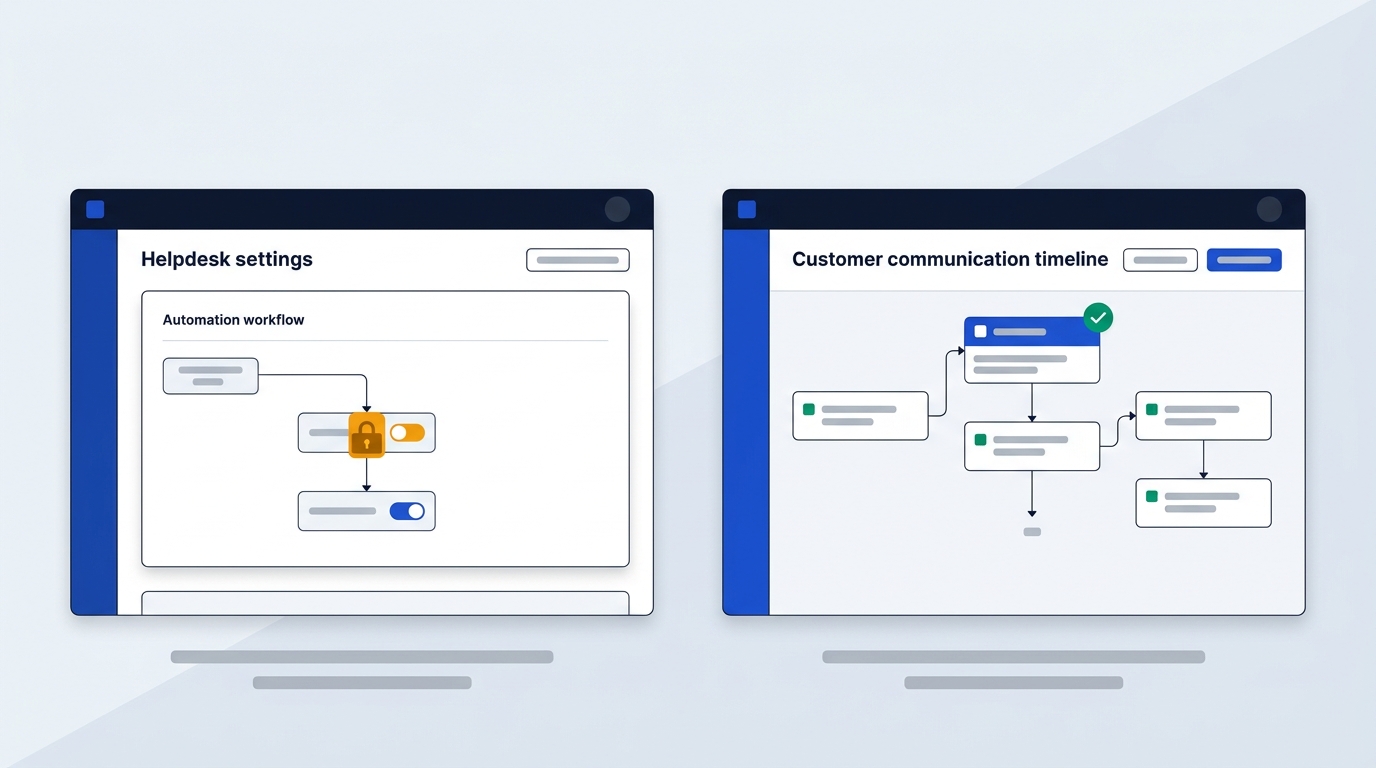
Support leaders usually seek freshdesk alternatives due to three main operational friction points. First, critical workflow features are locked behind high-tier plans, forcing smaller teams into expensive upgrades. You might only need simple SLA automation, yet Freshdesk requires upgrading your whole team tier. Second, multi-layered interfaces add administrative steps. For instance, agents must click through multiple menus just to reassign a ticket or add a tag. Finally, seat-based pricing inflates costs as headcount expands, because adding temporary or tier-one agents directly multiplies monthly software overhead.All-in-One Engagement for European Teams
Some European businesses need support linked with marketing automation and live chat. However, single-purpose ticketing software leaves customer data split across isolated systems. Platforms like User.com combine customer service inboxes, live chat, email marketing, and web visitor tracking into one unified interface. This setup lets teams view customer activity timelines beside open support requests. You can browse other options in our customer support software deals catalog.Choosing the Right Helpdesk Operating Model
Shared Inbox vs Ticketing Bureaucracy
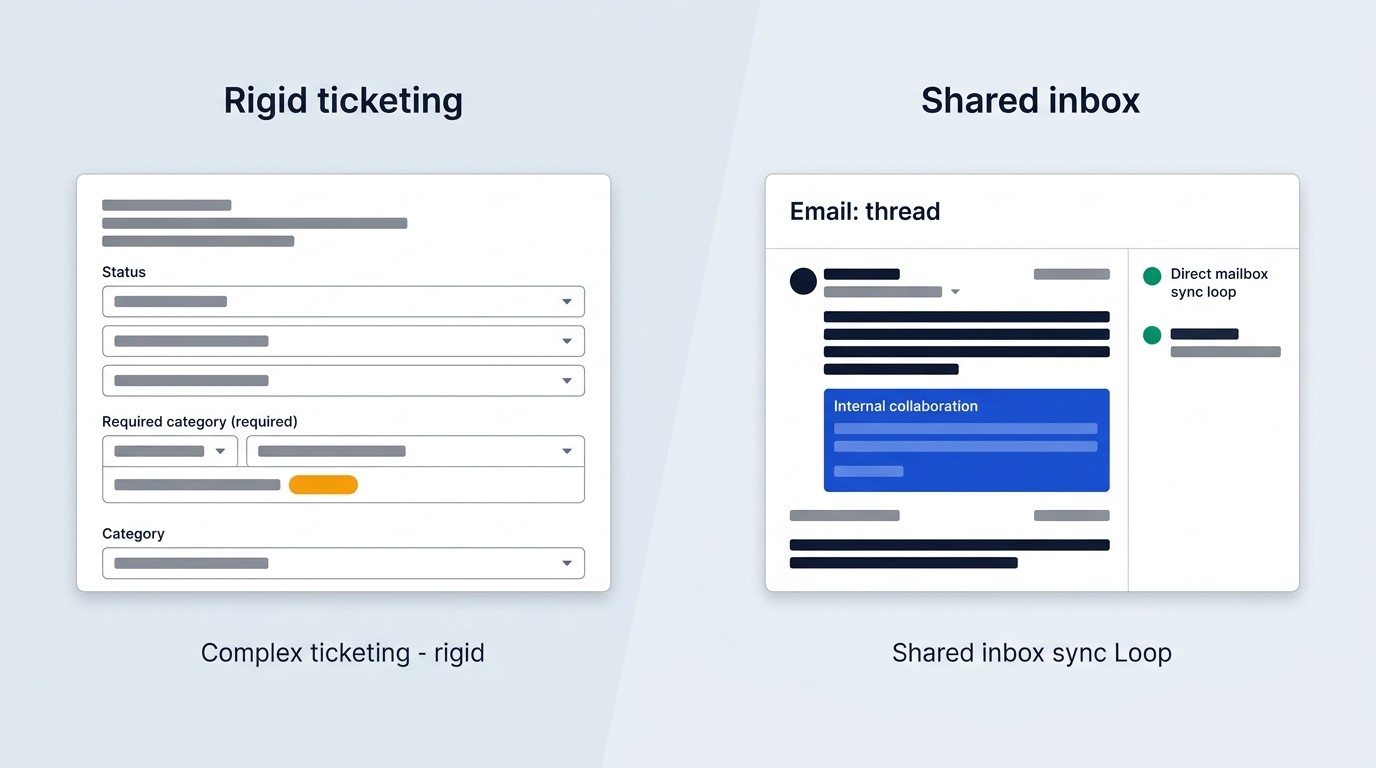
Email-centric support teams often struggle with the ticket-state rules in traditional helpdesks. For example, traditional helpdesks require agents to select ticket statuses, priorities, and category dropdowns before closing simple inquiries. This extra routine creates overhead for lean teams. Shared inbox models treat customer conversations like collaborative mail threads, so agents assign emails, leave internal notes, and apply simple labels without rigid workflow requirements. If your team primarily handles email, heavy ticketing infrastructure creates more friction than clarity.Native Mailbox Syncing Mechanics
Standard helpdesks often require complex email forwarding rules. In contrast, Deskhero connects directly to Google Workspace and Microsoft 365 mailboxes via OAuth, a secure token-based authorization standard. Because support emails sync in both directions, your team can resolve tickets inside the software interface while maintaining full thread parity in standard corporate email accounts. As a result, you manage your email domains without configuring server forwarding rules.AI Grounding and Safety Controls
Generative AI can assist support agents. However, ungrounded models, which lack verification against approved knowledge sources, risk giving inaccurate answers, known as hallucinations. You should verify whether an AI bot pulls information strictly from approved public help articles or reads historical ticket data containing outdated information. For instance, Deskhero requires at least 100 approved FAQ articles before auto-replies activate, creating a significant setup hurdle. If the bot cannot locate a clear answer within those approved sources, it transfers the query to a human agent form.Avoiding Unnecessary Suite Features
Omnichannel support platforms bundle call center software, complex ticket distribution engines, and multi-brand routing systems into high-tier subscriptions. Small and mid-sized businesses rarely utilize these enterprise tools. Because these extra modules inflate software budgets, choosing a focused shared inbox helps you avoid paying for unused features.Top Freshdesk Competitors Evaluated by Pricing
BoldDesk Pricing Structure
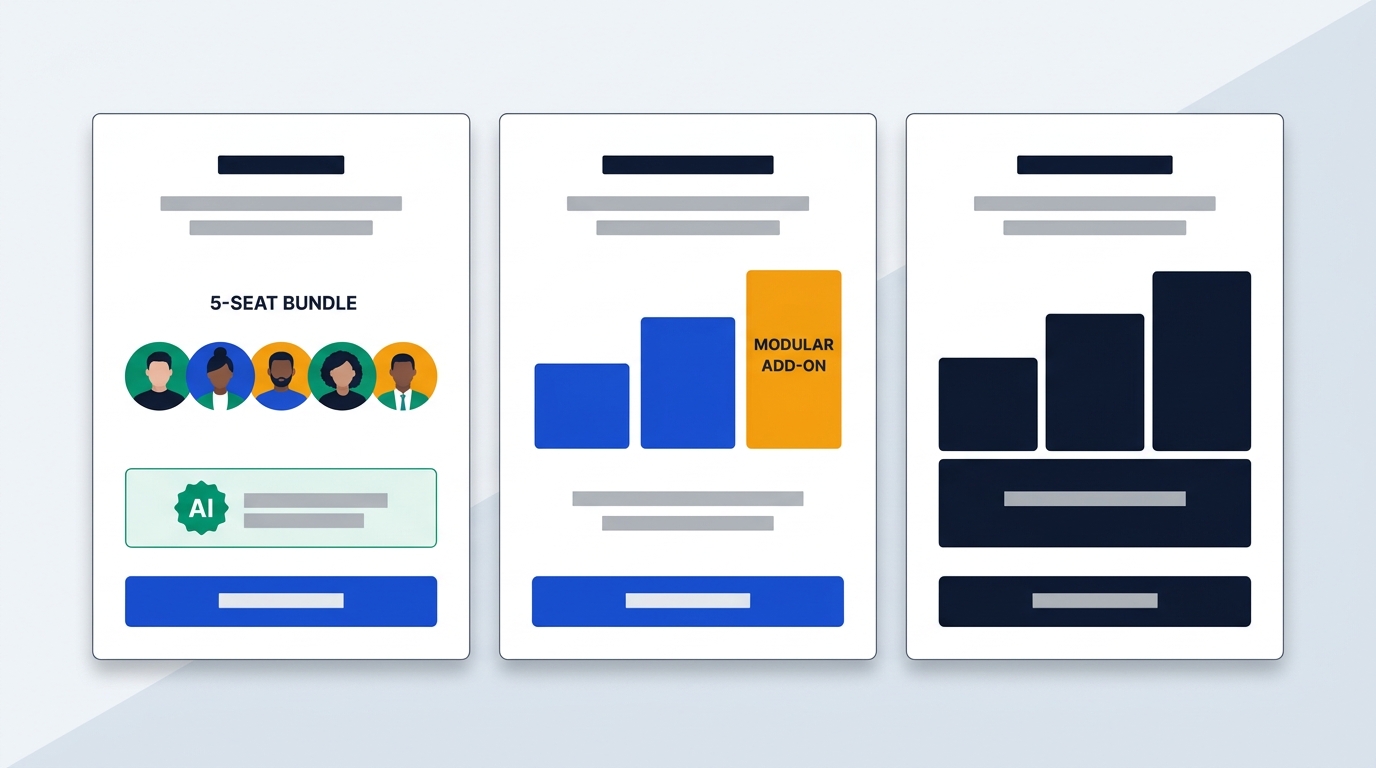
BoldDesk uses agent-bundle plans designed to keep costs predictable as you grow. For example, plans package agent seats with monthly AI credits, scaling from small teams to enterprise deployments. Higher tiers scale steadily:- 25 agents: US$349 per month (1,500 AI credits)
- 50 agents: US$499 per month (2,000 AI credits)
- 75 agents: US$749 per month (2,500 AI credits)
- 100 agents: US$999 per month (3,000 AI credits)
Deskhero Cost Breakdown
Deskhero charges per-user rates with a mandatory 3-user minimum floor. However, this floor means solo operators or two-person teams pay for unused seats. You can test the inbox platform through a 30-day cardless free trial. This makes the entry price higher than single-seat alternatives.Mid-Market Alternatives Comparison
Mid-market support software spans several pricing tiers depending on feature breadth:- For example, Zoho Desk provides an entry point covering email, live chat, social channels, and phone support.
- HubSpot Service Hub starts at US$9 per user monthly for basic helpdesk features integrated with CRM records.
- In addition, LiveAgent includes integrated live chat and call center capabilities.
- Zendesk provides an enterprise omnichannel suite. You can check our Zendesk alternatives guide for a deeper enterprise breakdown.
- Meanwhile, Intercom centers on messenger chat, alongside separate usage fees for its AI bot.
- Meanwhile, Help Scout focuses on shared email inboxes and knowledge bases rather than ticket queues.
Unmasking Hidden Software Cost Traps
Software vendors often use billing structures that raise monthly costs, such as mandatory seat minimums that force small teams to pay for empty slots. Generative AI tools frequently carry hidden costs, requiring separate per-resolution fees or expensive credit token top-ups once you hit low monthly limits. Other platforms restrict custom reporting engines and advanced metric dashboards to top enterprise plans.Open Source Helpdesk Software for Data Sovereignty
UVdesk Technical Architecture
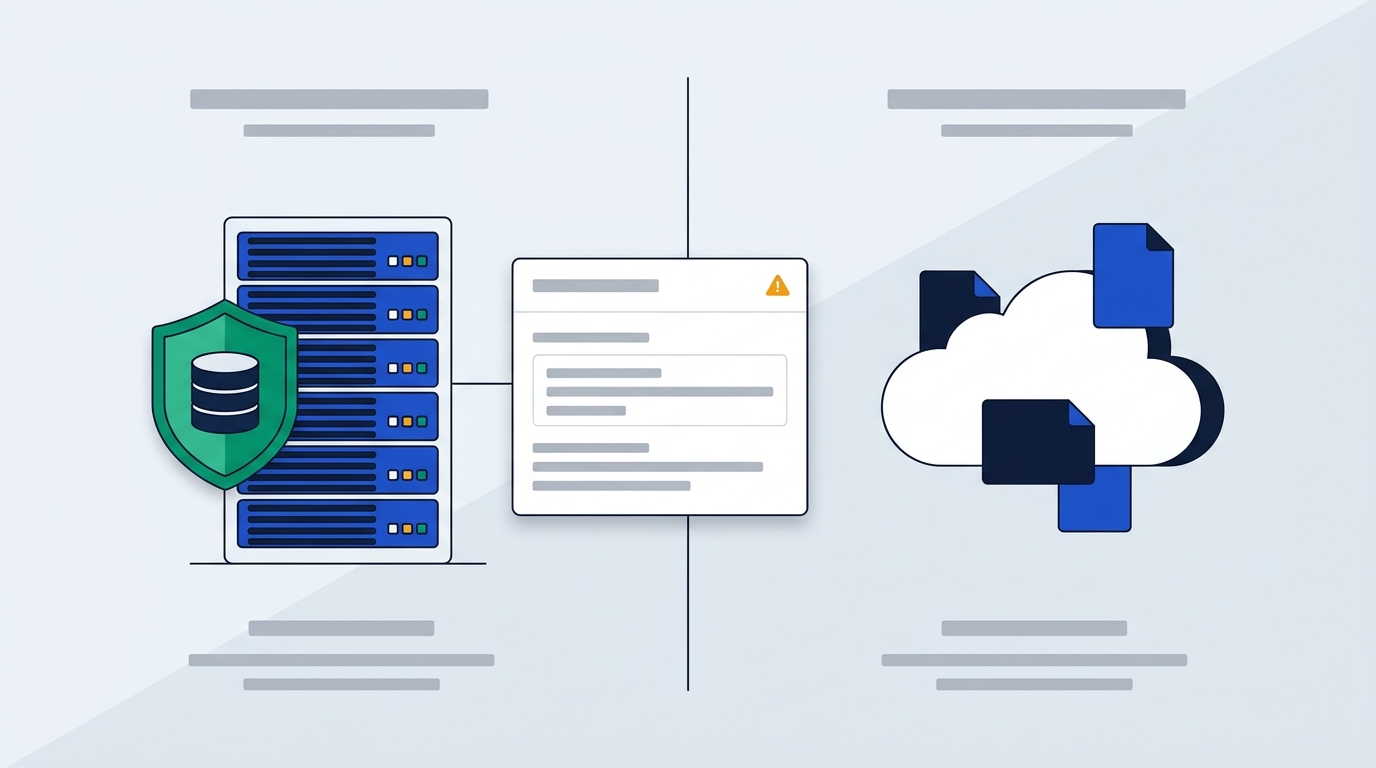
UVdesk provides a free open-source helpdesk system built on the Symfony PHP framework and MySQL database, which lets technical teams deploy the system directly onto company-owned servers. Building on Symfony PHP ensures software developers can review, modify, and extend the core application code. Because you host the software, you pay zero recurring per-agent license fees.Self-Hosted vs Multi-Tenant SaaS
Multi-tenant SaaS helpdesks store your customer ticket threads, personal contact details, and internal attachments on shared cloud servers, which can introduce vendor lock-in and potential data residency complications under EU privacy rules. In contrast, self-hosting UVdesk keeps customer records entirely on your chosen infrastructure, avoiding external multi-tenant cloud servers.UVdesk Community Edition Capabilities
The UVdesk open-source core edition includes essential ticketing features without recurring fees:- Ticket thread management with custom tags and agent assignments
- Email piping to convert incoming client messages into structured tickets
- Multi-agent department routing and work distribution
- Self-service customer knowledge bases organized by folders and articles
- Automated workflow triggers based on custom ticket event conditions
Total Cost of Ownership Analysis
Open-source helpdesk software eliminates software license costs, but it shifts financial responsibility to internal operational maintenance. You must account for server infrastructure hosting fees, web server configuration, and database storage scaling. Your technical team remains responsible for applying security patches, running system updates, and managing disaster recovery backups. Comparing cloud subscription fees against internal developer maintenance hours helps you evaluate true total ownership costs.European GDPR Compliance and B2B VAT Guidelines
European companies handling support data must comply with strict data protection mandates and cross-border billing regulations when selecting vendor software.GDPR Article 28 and Data Transfers
Article 28 of the General Data Protection Regulation requires business data controllers to execute a legally binding Data Processing Agreement (DPA) with software vendors. When evaluating US-based helpdesk platforms, European businesses must confirm whether the vendor holds active certification under the EU-US Data Privacy Framework. Without framework certification or Standard Contractual Clauses (SCCs), which are EU-approved model contract terms for international transfers, processing personal data overseas creates compliance risks.Sovereign European Customer Platforms
Working with European SaaS providers simplifies regulatory compliance by keeping personal customer records strictly within European jurisdiction. User.com is operated by Positive Groupe France, based in Hem, France. Its cloud infrastructure is hosted entirely within the European Union and carries ISO 27001 security certification, so European businesses can execute a compliant DPA directly within customer account settings.Cross-Border B2B Invoicing and Reverse-Charge VAT
European businesses purchasing SaaS platforms from vendors in other EU countries can apply the reverse-charge VAT mechanism under EU VAT Directive 2006/112/EC. When entering a valid European VAT identification number during checkout, the vendor issues an invoice with a 0% VAT rate, and your accounting department self-assesses the local rate on tax filings. For UK businesses importing software services from European or US suppliers, HMRC Notice 741A outlines similar reverse-charge accounting mechanics.Verifying Physical Data Locations
Support ticket threads contain sensitive user information, including contact records, billing addresses, and internal notes. You should verify whether a software vendor stores email histories, ticket logs, and database backups inside European data centers or transfers records to third-country sub-processors.Switching Support Platforms Without Losing Ticket Data
Migrating customer service operations between platforms requires deliberate planning to protect historical records, maintain active email routing, and prevent agent disruption.Pre-Migration Operational Audit
Before exporting files from Freshdesk, run an audit of your current helpdesk configuration. Document all active workflow automation rules, SLA timers, and custom ticket fields. Map out historical ticket categories, agent groups, and department structures, because auditing these elements first prevents importing outdated tags or abandoned automation triggers into your new platform.Executing Customer Data Portability
Migrating core customer data requires extracting historical records through system exports or REST API endpoints. Extract contact databases, company profiles, and account tags first. Next, export historical ticket conversations along with email attachments in structured CSV or JSON formats. Verifying record formatting before running bulk database imports prevents broken thread linkages or missing user histories.Preserving Email Support Addresses
Maintaining uninterrupted customer communication requires careful DNS management during software cutover. Update SPF, DKIM, and MX records in your domain manager before switching your active support system. However, direct shared inboxes connect your support address via native mailbox authentication. As a result, this setup avoids complex email forwarding configurations entirely.Zero-Downtime Cutover Strategy
To prevent missed customer tickets during DNS propagation windows, run parallel email inboxes for 24 to 48 hours. Direct new incoming queries into your new platform while support agents resolve remaining open threads inside Freshdesk. Train support staff on canned responses, macros, and tagging rules in advance. Once agents complete open tickets and DNS records fully propagate globally, you can safely cancel your legacy software subscription.Frequently Asked Questions About Freshdesk Alternatives
Which Freshdesk alternative offers the lowest starting price for small teams?
Zoho Desk offers the lowest commercial per-seat rate, whereas UVdesk provides open-source self-hosting without subscription fees.Can a shared inbox completely replace a ticketing system?
Yes, email-first platforms like Deskhero or Help Scout can replace traditional ticketing systems for small and mid-sized businesses. They simplify email collaboration for teams that do not need formal SLA tracking or complex ticket tiers.How do AI support chatbots prevent hallucinations?
They rely on knowledge-base grounding, answering only from approved articles and routing unanswered queries to human agents.Do US-based helpdesk platforms charge European VAT?
US-based SaaS vendors generally do not charge local European VAT to registered B2B clients who provide a valid VAT identification number during checkout. Instead, the buyer self-assesses VAT locally through reverse-charge accounting.Which switch makes sense
Growing teams that want bundled ticketing and predictable scaling fit BoldDesk best. Email-first shared inboxes suit Help Scout or Deskhero, especially if you want native mailbox sync without forwarding rules. Large multi-tier operations should stay with enterprise-grade suites like Zendesk, while technical teams with data sovereignty needs belong on self-hosted UVdesk.
Start by matching your team size and channel mix against the pricing breakdown above before you commit to a migration.